1. Specifications Comparison
| Feature | Motorola Razr 40 Ultra | Apple iPhone 15 Plus | Practical Impact |
|---|---|---|---|
| Design | |||
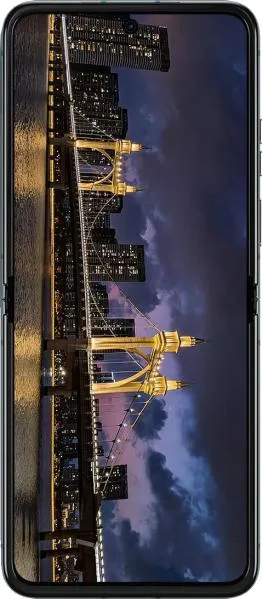
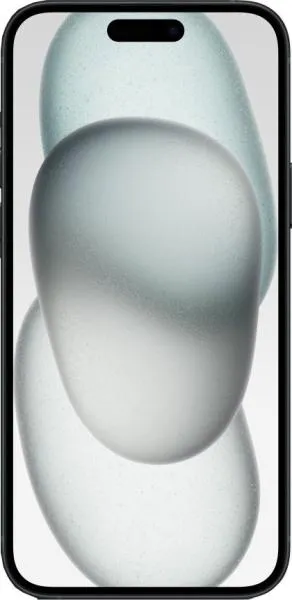
| Form Factor | Foldable | Standard | Razr offers portability and a smaller footprint when closed, iPhone offers a traditional slab design. |
| Dimensions (mm) | 170.8 x 74 x 7 | 160.9 x 77.8 x 7.8 | Razr is significantly thinner when unfolded but taller; iPhone is wider and slightly thicker overall. |
| Weight (g) | 184.5 | 201 | Razr is noticeably lighter. |
| Display | |||
| Display Type | Foldable LTPO AMOLED | Super Retina XDR OLED | Both offer excellent color accuracy and deep blacks; Razr's foldable screen provides a unique experience but with a crease. |
| Size (inches) | 6.9 | 6.7 | Razr offers a larger screen real estate when unfolded. |
| Resolution (px) | 1080 x 2640 | 1290 x 2796 | iPhone has a sharper display with higher pixel density. |
| Refresh Rate (Hz) | 165 | Unspecified | Razr's higher refresh rate delivers smoother scrolling and animations; information about the iPhone's refresh rate is missing. |
| Peak Brightness (nits) | 1400 | 2000 | iPhone's display is significantly brighter, improving outdoor visibility. |
| Performance | |||
| Chipset | Snapdragon 8+ Gen 1 | Apple A16 Bionic | Both are high-performance chipsets, but Apple's A16 generally benchmarks higher in terms of raw power and efficiency. |
| CPU | Octa-core (1x3.19 GHz Cortex-X2 & 3x2.75 GHz Cortex-A710 & 4x1.80 GHz Cortex-A510) | Hexa-core (2x3.46 GHz Everest + 4x2.02 GHz Sawtooth) | Both CPUs offer excellent performance; architectural differences make direct comparison difficult without benchmarks. |
| GPU | Adreno 730 | Apple GPU (5-core) | Apple's GPU typically performs better in graphics-intensive tasks like gaming. |
| RAM (GB) | 8 | 6 | While Razr has more RAM, iOS's memory management makes direct comparison difficult. Both should handle multitasking well. |
| Camera | |||
| Main Camera (MP) | 12 | 48 | iPhone has a significantly higher resolution main sensor, potentially capturing more detail. |
| Ultrawide (MP) | 13 | 12 | Similar resolution, practical differences would depend on lens quality and software processing. |
| Selfie (MP) | 32 | 12 | Razr boasts a much higher resolution selfie camera. |
| Video Capabilities | Up to 4K@60fps with HDR, EIS | Up to 4K@60fps with HDR, Dolby Vision, Cinematic Mode | Both offer high-quality video recording; iPhone adds Dolby Vision and Cinematic Mode for more professional-looking videos. |
| Battery | |||
| Capacity (mAh) | 3800 | 4383 | iPhone has a larger battery capacity, potentially leading to longer battery life. |
2. Key Differences Analysis
Motorola Razr 40 Ultra Advantages:
- Portability: The foldable design makes it significantly more pocketable.
- Larger Cover Screen: Offers more functionality when the phone is closed.
- Higher Refresh Rate: Smoother scrolling and animations.
- Higher Resolution Selfie Camera: Better quality for video calls and self-portraits.
Apple iPhone 15 Plus Advantages:
- Overall Performance: The A16 Bionic chip generally offers superior performance.
- Sharper Display: Higher pixel density leads to a more detailed image.
- Brighter Display: Better visibility in sunlight.
- Longer Battery Life: Larger battery capacity.
- Dolby Vision and Cinematic Video: More advanced video recording capabilities.
Trade-offs:
- Razr: Foldable screen introduces a crease, smaller battery capacity, potentially lower overall performance.
- iPhone: Larger and heavier, less pocketable, lacks the novelty and functionality of a folding screen.
3. User Profiles & Recommendations
Motorola Razr 40 Ultra: Ideal for users who prioritize portability and a unique form factor. Suitable for those who value a large screen but want a smaller device when not in use. Excellent for social media enthusiasts who utilize the selfie camera frequently.
Apple iPhone 15 Plus: Suitable for users who prioritize performance, battery life, and a high-quality display. Ideal for power users, gamers, and content creators who demand top-tier hardware.
4. Decision Framework
Key Questions:
- How important is portability? If pocketability is paramount, the Razr is the clear winner.
- What is your budget? Consider the price difference between the two phones and your willingness to pay for specific features. Prices listed appear to fluctuate and may not be accurate.
- What are your primary use cases? Gaming and content creation lean towards the iPhone; social media and on-the-go communication might favor the Razr.
My Choice: Apple iPhone 15 Plus
While the Razr 40 Ultra offers a compelling foldable design, the iPhone 15 Plus better suits my needs. I prioritize performance and battery life, which the A16 Bionic chip and larger battery of the iPhone deliver. The brighter and sharper display is also a significant factor for me, as I frequently use my phone outdoors. Although the Razr's portability is attractive, the overall user experience offered by the iPhone 15 Plus, including its superior camera capabilities for both photo and video, makes it the better choice for me. The foldable screen technology, while innovative, is not a compelling enough reason for me to sacrifice performance and battery life at this time.
