
1. Specifications Comparison
| Feature | Motorola Razr 40 Ultra | Apple iPhone 15 | Practical Impact |
|---|---|---|---|
| Design | |||
| Form Factor | Foldable | Standard | Razr offers pocket portability and a larger screen when unfolded, iPhone 15 is a traditional slab design. |
| Dimensions (mm) | 170.8 x 74 x 7 | 147.6 x 71.6 x 7.8 | Razr is thinner when folded but taller and wider when unfolded. iPhone 15 is more pocketable when unfolded. |
| Weight (g) | 184.5 | 171 | Razr is slightly heavier. |
| Display | |||
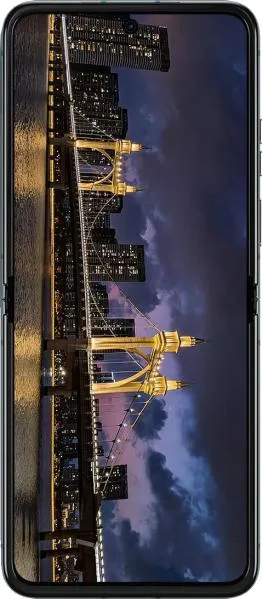
| Display Type | Foldable LTPO AMOLED | Super Retina XDR OLED | Razr's foldable display allows for a larger screen in a smaller device; potential for crease visibility. iPhone offers a consistently flat, high-quality display. |
| Size (inches) | 6.9 | 6.1 | Razr provides significantly more screen real estate when unfolded, beneficial for media consumption and multitasking. |
| Resolution (px) | 1080 x 2640 | 1179 x 2556 | Comparable sharpness despite the size difference, though iPhone has slightly higher pixel density (PPI). |
| Refresh Rate (Hz) | 165 | Not specified | Razr's higher refresh rate results in smoother animations and scrolling. Lack of iPhone 15 refresh rate specification hinders direct comparison. |
| Peak Brightness (nits) | 1400 | 2000 | iPhone 15's significantly higher peak brightness ensures better outdoor visibility. |
| Performance | |||
| Chipset | Snapdragon 8+ Gen 1 | Apple A16 Bionic | Both are flagship-level chipsets from the previous generation, offering excellent performance. Apple's A16 generally benchmarks higher in raw performance. |
| CPU | Octa-core | Hexa-core | Both offer powerful processing capabilities. Core configuration differences are less impactful in real-world usage than overall chip optimization. |
| GPU | Adreno 730 | Apple GPU (5-core) | Both offer strong graphics performance; Apple's GPU generally performs better in benchmarks and gaming. |
| RAM (GB) | 8 | 6 | While both are sufficient for most tasks, the Razr's 8GB might offer slightly better multitasking performance in demanding scenarios. iOS's memory management may offset this difference to some extent. |
| Camera | |||
| Main Camera (MP) | 12 | 48 | iPhone 15's higher resolution main camera likely captures more detail. Real-world image quality depends on sensor size, processing, and other factors. |
| Ultrawide (MP) | 13 | 12 | Similar ultrawide resolutions. Practical differences will depend on lens quality and software processing. |
| Selfie (MP) | 32 | 12 | Razr has a much higher resolution selfie camera, potentially capturing more detailed self-portraits. |
| Video | Up to 4K@60fps | Up to 4K@60fps | Both offer comparable video resolution and frame rates; iPhone boasts features like Cinematic mode for advanced video recording. |
| Battery | |||
| Capacity (mAh) | 3800 | 3349 | Razr has a larger battery capacity, potentially offering longer battery life. Real-world usage will vary depending on factors like display usage and software efficiency. |
2. Key Differences Analysis
Motorola Razr 40 Ultra Advantages:
- Larger, Foldable Display: Provides a more immersive experience for media consumption and multitasking.
- Larger Battery: Potentially longer battery life.
- Higher Resolution Selfie Camera: Better for video calls and self-portraits.
Apple iPhone 15 Advantages:
- Brighter Display: Superior outdoor visibility.
- Generally Higher Performance: Faster processing and graphics for demanding tasks and gaming.
- More Mature Software Ecosystem: iOS is known for its optimization and app quality.
- Superior Main Camera (Resolution): Potential for more detailed images.
- Advanced Camera Features: Cinematic mode for professional-looking videos.
Trade-offs:
- Foldability vs. Durability: The Razr's foldable design offers portability and a large screen but introduces a potential point of failure (the hinge) and may have decreased durability compared to the iPhone's solid construction.
- Screen Size vs. One-Handed Use: The Razr's unfolded screen is great for media consumption but less convenient for one-handed use.
3. User Profiles & Recommendations
Motorola Razr 40 Ultra: Ideal for users who prioritize portability and a large screen for media consumption, multitasking, and appreciate the novelty of a foldable phone.
Apple iPhone 15: Suitable for users who value a robust, reliable phone with a bright display, excellent performance, a strong camera system, and a seamless software experience.
4. Decision Framework
Key Questions for Buyers:
- How important is portability and a large screen? If these are top priorities, the Razr is a strong contender.
- What is your budget and how much do you value performance and camera quality? The iPhone 15 generally offers better performance and potentially a better main camera but at a potentially higher cost depending on storage configuration.
- Do you prioritize a foldable design or a more traditional smartphone experience? Consider the durability and usability trade-offs of a foldable phone.
My Choice: Apple iPhone 15
While the Razr 40 Ultra's foldable design is intriguing, the iPhone 15's overall package is more appealing to me. I prioritize a bright, reliable display for outdoor use, consistently strong performance for demanding tasks and future-proofing, a refined software experience, and a high-quality camera system. While the Razr offers a larger battery, real-world battery life depends heavily on usage patterns, and iOS optimization often leads to competitive battery performance despite smaller capacities. The iPhone's more established ecosystem and longer software support cycle are also significant factors. Finally, while unspecified, I anticipate the iPhone 15 to likely have a higher refresh rate screen, putting it on par with the Razr.
