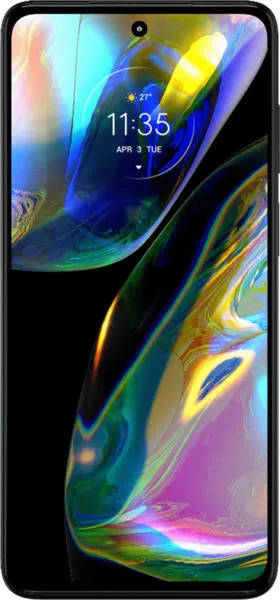
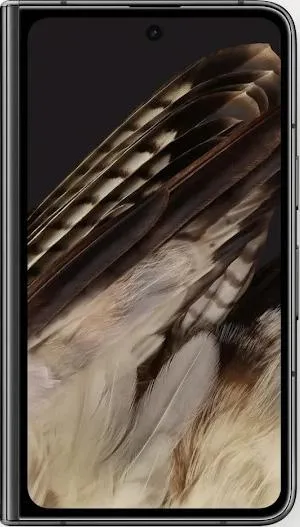
Let's dive into a comparative analysis of the Motorola Moto G82 and the Google Pixel Fold, two phones occupying very different spaces in the Android ecosystem.
1. Specifications Breakdown
| Feature | Motorola Moto G82 | Google Pixel Fold | Real-World Implications |
|---|---|---|---|
| Design | |||
| Dimensions (mm) | 160.9 x 74.5 x 8 | 139.7 x 158.7 x 5.8 | Pixel Fold significantly wider when unfolded, Moto G82 thinner and lighter for easier one-handed use |
| Weight (g) | 173 | 283 | Pixel Fold's weight reflects its foldable design and larger battery; Moto G82 more pocketable |
| Foldable | No | Yes | Pixel Fold offers tablet-like multitasking and unique form factor |
| Display | |||
| Size (inches) | 6.6 | 7.6 (unfolded) 5.8 (folded) | Pixel Fold offers significantly larger screen real estate when unfolded |
| Resolution (px) | 1080 x 2400 | 2208 x 1840 (unfolded) 2092 x 1080 (folded) | Pixel Fold boasts higher resolution, sharper images and text, especially noticeable when unfolded |
| Type | AMOLED, 120Hz | Foldable OLED, 120Hz | Both offer smooth scrolling and animations; Pixel Fold's folding screen is a key differentiator |
| Performance | |||
| Chipset | Snapdragon 695 5G | Google Tensor G2 | Tensor G2 significantly more powerful, enabling faster app loading, smoother multitasking, and AI capabilities |
| CPU | Octa-core (2.2 GHz) | Octa-core (2.85 GHz) | Pixel Fold offers superior processing power for demanding tasks |
| RAM (GB) | 6 | 12 | Pixel Fold's larger RAM allows for seamless multitasking and app switching |
| Camera | |||
| Main Camera (MP) | 50 | 48 | Comparable main camera resolution; real-world performance will depend on image processing |
| DxOMark Score | N/A | 133 | Pixel Fold's higher DxOMark score indicates superior overall camera quality |
| Battery Life | |||
| Capacity (mAh) | 5000 | 4821 | Comparable battery capacities; real-world usage will vary based on individual usage patterns |
2. Key Insights
- Performance Disparity: The Google Tensor G2 in the Pixel Fold significantly outperforms the Snapdragon 695 in the Moto G82. This translates to a noticeably smoother and more responsive user experience, especially for demanding tasks like gaming and video editing. The Pixel Fold also benefits from double the RAM.
- Foldable Future: The Pixel Fold's defining feature is its foldable display. This allows for a compact folded state for portability and a larger unfolded state for immersive content consumption and multitasking. However, this innovative design comes with a significant price premium and added weight.
- Display Differences: While both phones offer 120Hz AMOLED displays for smooth visuals, the Pixel Fold's higher resolution and larger unfolded screen size provide a superior viewing experience.
- Camera Prowess: While megapixel counts are close, the Pixel Fold's significantly higher DxOMark score suggests superior image quality due to Google's advanced computational photography algorithms.
3. User Profiles and Recommendations
- Moto G82: Best suited for budget-conscious users who prioritize a lightweight and affordable phone with a good display and decent battery life. Ideal for everyday tasks like browsing, social media, and casual photography.
- Pixel Fold: Designed for power users and early adopters who value cutting-edge technology and are willing to pay a premium for the foldable form factor and its associated benefits in multitasking and content consumption.
4. Buying Decision Framework
- What is your budget? The Moto G82 is a budget-friendly option, while the Pixel Fold is a premium device.
- Do you prioritize portability or screen real estate? The Moto G82 is lighter and more pocketable, while the Pixel Fold offers a larger display for multitasking and media consumption.
- Are you an early adopter of new technology? The Pixel Fold's foldable design is innovative but comes with potential trade-offs in durability and cost.
My Choice
If I were choosing between these two phones, I would select the Google Pixel Fold. While the price is significantly higher, I value the innovative foldable design, the superior performance of the Tensor G2 chip, the increased RAM for smooth multitasking, and the advanced camera capabilities. As a tech journalist, I'm drawn to cutting-edge technology, and the Pixel Fold represents a significant leap forward in mobile device design. The ability to seamlessly transition between phone and tablet modes, coupled with the power to handle any task I throw at it, outweighs the premium price for my specific needs and priorities. The Moto G82 is a solid budget option, but it doesn't offer the same level of innovation or performance.
