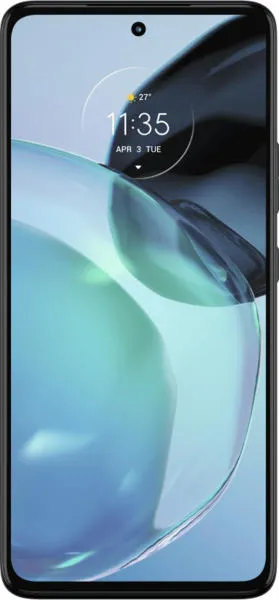
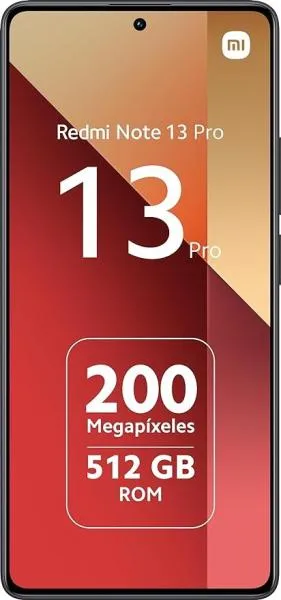
Motorola Moto G72 vs. Xiaomi Redmi Note 13 Pro 4G: A Deep Dive
Let's dissect the Motorola Moto G72 and the Xiaomi Redmi Note 13 Pro 4G, two compelling contenders in the mid-range smartphone arena. We'll go beyond the spec sheet to uncover what these numbers truly mean for your daily life.
1. Specifications Breakdown
| Feature | Motorola Moto G72 | Xiaomi Redmi Note 13 Pro 4G | Real-World Implications | |
|---|---|---|---|---|
| Design | ||||
| Dimensions (mm) | 160.5 x 74.4 x 7.9 | 161.1 x 75 x 8 | Note 13 Pro slightly larger; negligible difference in hand feel. | |
| Weight (g) | 166 | 188 | Moto G72 noticeably lighter, reducing hand fatigue during extended use. | |
| Display | ||||
| Type | P-OLED | AMOLED | Both offer vibrant colors and deep blacks; AMOLED generally brighter with potentially better outdoor visibility. | |
| Size (inches) | 6.6 | 6.67 | Note 13 Pro offers marginally more screen real estate. | |
| Resolution (px) | 1080 x 2400 | 1080 x 2400 | Identical sharpness; no discernible difference in pixel density. | |
| Refresh Rate (Hz) | 120 | 120 | Both provide smooth scrolling and animations. | |
| Peak Brightness | N/A | 1300 nits | Note 13 Pro significantly brighter, crucial for outdoor readability. | |
| Performance | ||||
| Chipset | Helio G99 | Helio G99 Ultra | Ultra variant likely offers minor performance improvements, but real-world differences might be subtle. | |
| CPU | Octa-core (2x2.2 GHz A76 & 6x2.0 GHz A55) | Octa-core (2x2.2 GHz A76 & 6x2.0 GHz A55) | Similar CPU configuration; expect comparable performance in everyday tasks. | |
| GPU | Mali-G57 MC2 | Mali-G57 MC2 | Identical GPU; gaming performance should be largely similar. | |
| RAM (GB) | 6/8 | 8/12 | Note 13 Pro offers higher RAM configurations for better multitasking. | |
| Camera | ||||
| Main Camera (MP) | 108 | 200 | Note 13 Pro boasts significantly higher resolution, potentially capturing more detail. | |
| Sensor | CMOS BSI | Samsung ISOCELL HP3 | Note 13 Pro's sensor is larger (1/1.4"), suggesting better low-light performance. | |
| Features | Triple Camera | Triple Camera + OIS | Note 13 Pro adds Optical Image Stabilization (OIS) for sharper images and videos. | |
| Battery Life | ||||
| Capacity (mAh) | 5000 | 5000 | Identical battery capacity; real-world battery life depends on software optimization and usage. |
2. Key Insights
- Performance Parity: While the Redmi Note 13 Pro 4G boasts an "Ultra" variant of the Helio G99, day-to-day performance differences will likely be minimal. Both phones are geared towards efficiency rather than raw power.
- Display Dominance: The Redmi Note 13 Pro's AMOLED display with a peak brightness of 1300 nits steals the show. This makes a huge difference in outdoor visibility.
- Camera Contender: The Redmi Note 13 Pro's 200MP camera with OIS and a larger sensor positions it as the clear winner for photography enthusiasts. Expect better detail, low-light performance, and video stabilization.
- Lightweight Champion: The Moto G72's significantly lower weight makes it more comfortable for extended use.
3. User Profiles and Recommendations
- Moto G72: Ideal for budget-conscious users prioritizing a lightweight, comfortable phone for everyday tasks like browsing, social media, and casual photography.
- Redmi Note 13 Pro 4G: Best suited for users who value a bright, vibrant display and a capable camera system, particularly for capturing photos and videos in various lighting conditions.
4. Buying Decision Framework
- Is outdoor visibility a priority? If yes, the Redmi Note 13 Pro's brighter display is a must-have.
- How important is camera quality? For photography enthusiasts, the Redmi Note 13 Pro offers a significant advantage.
- Are you sensitive to phone weight? The Moto G72's lighter build might be the deciding factor for extended use.
My Choice: Xiaomi Redmi Note 13 Pro 4G
While the Moto G72 offers a compelling lightweight design, the Redmi Note 13 Pro 4G edges out as my preferred choice. The significantly brighter AMOLED display, the superior 200MP camera with OIS, and the potential performance boost from the "Ultra" chipset make it a more well-rounded package. The slightly higher weight is a trade-off I'm willing to make for the enhanced visual experience and photographic capabilities. While the "Ultra" moniker might be marketing fluff, the improved camera hardware and screen brightness are tangible upgrades that cater to my needs.
