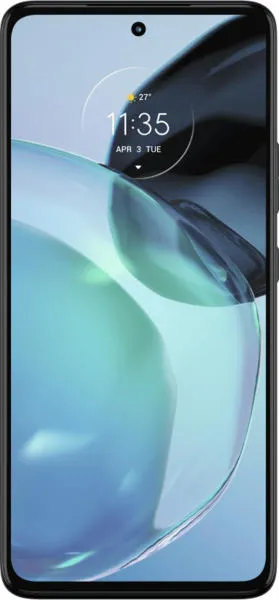
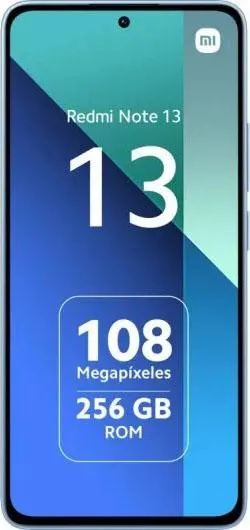
Motorola Moto G72 vs. Xiaomi Redmi Note 13 4G: A Detailed Comparison
Let's dive deep into a comparative analysis of the Motorola Moto G72 and the Xiaomi Redmi Note 13 4G, dissecting their specifications and uncovering what they truly offer users in the real world.
1. Specifications Breakdown
| Feature | Motorola Moto G72 | Xiaomi Redmi Note 13 4G | Real-World Implications |
|---|---|---|---|
| Design | |||
| Dimensions (mm) | 160.5 x 74.4 x 7.9 | 162.3 x 75.6 x 8 | Redmi Note 13 slightly larger; Moto G72 marginally thinner. Negligible difference in daily handling. |
| Weight (g) | 166 | 188.5 | Redmi Note 13 noticeably heavier, potentially impacting one-handed use and pocket comfort. |
| Display | |||
| Type | P-OLED | AMOLED | Both offer vibrant colors and deep blacks. AMOLED generally boasts slightly better contrast. |
| Size (inches) | 6.6 | 6.67 | Redmi Note 13 has a marginally larger screen, offering a slightly more immersive experience. |
| Resolution | 1080 x 2400 | 1080 x 2400 | Identical resolution; sharpness comparable on both devices. |
| Refresh Rate (Hz) | 120 | 120 | Both offer smooth scrolling and animations, enhancing the overall user experience. |
| Performance | |||
| Chipset | Helio G99 | Snapdragon 685 | Snapdragon 685 generally offers better CPU performance, particularly in multi-core tasks. G99 excels in GPU tasks. |
| CPU | 2x2.2 GHz A76, 6x2.0 GHz A55 | 4x2.8 GHz A73, 4x1.9 GHz A53 | Redmi Note 13's CPU configuration likely delivers superior performance in demanding applications and multitasking. |
| GPU | Mali-G57 MC2 | Adreno 610 | Moto G72's Mali-G57 MC2 GPU potentially edges out Adreno 610 in gaming performance. |
| RAM (GB) | 6/8 | 8 | Redmi Note 13 offers more RAM in its base configuration, aiding in multitasking and app responsiveness. |
| Camera | |||
| Main Camera (MP) | 108 | 108 | Similar megapixel count; image quality will depend on sensor and processing. Redmi Note 13 has a known Samsung HM6 Sensor |
| Video Recording | 1080p@30/60fps | 1080p@30fps | Moto G72 offers 60fps recording for smoother video capture. |
| Battery Life | |||
| Capacity (mAh) | 5000 | 5000 | Identical battery capacity; actual battery life depends on usage patterns and software optimization. |
2. Key Insights
- Performance: The Redmi Note 13 4G, with its Snapdragon 685 and higher clock speeds, likely offers a performance advantage in everyday tasks and demanding applications. However, the Moto G72's Mali-G57 MC2 GPU might provide a slight edge in gaming scenarios.
- Display: Both phones feature excellent displays with high refresh rates. The choice between P-OLED and AMOLED comes down to personal preference, though AMOLED generally offers a slightly higher contrast ratio.
- Camera: Both boast 108MP main cameras, but real-world performance will hinge on sensor quality, image processing, and software features. The Moto G72's ability to record 1080p video at 60fps provides smoother footage.
- Software and Updates: The Redmi Note 13 4G ships with Android 13 and boasts a longer software update commitment compared to the Moto G72, ensuring newer features and security patches for a longer period.
3. User Profiles and Recommendations
- Moto G72: Suited for budget-conscious users who prioritize a smooth display, potentially better gaming performance, and a lighter, slimmer design. Great for casual gaming, social media, and everyday tasks.
- Redmi Note 13 4G: Ideal for users who demand overall performance, a vibrant AMOLED display, and longer software support. Suitable for multitasking, productivity, and content consumption.
4. Buying Decision Framework
- What is your budget? Both phones fall in the mid-range category, but slight price differences might exist.
- What are your performance priorities? If you need a phone for demanding tasks and multitasking, the Redmi Note 13 4G's superior CPU performance is preferable. For casual gaming, the Moto G72 might be a better fit.
- How important is software support? If you value long-term software updates and newer Android features, the Redmi Note 13 4G's commitment to future updates is a significant advantage.
My Choice: I would choose the Xiaomi Redmi Note 13 4G. While the Moto G72 offers a compelling package, the Redmi Note 13 4G's superior overall performance stemming from the Snapdragon 685, coupled with longer software support and a vibrant AMOLED display, makes it a more future-proof choice for my needs. The slightly heavier weight is a trade-off I'm willing to make for the performance gains and extended software updates. I also appreciate having the newest version of Android out of the box. Lastly, the inclusion of a Samsung HM6 sensor in the Redmi Note 13 4G is very appealing, as it's a known quantity with a proven track record for excellent image quality.
