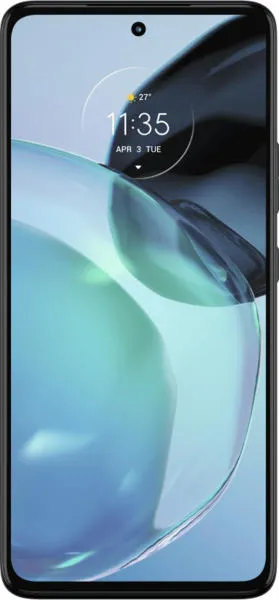
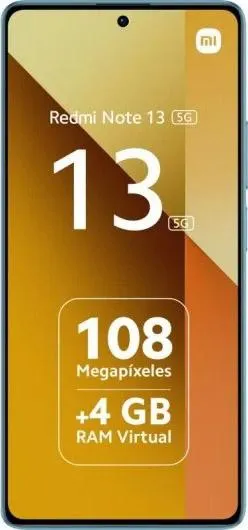
Motorola Moto G72 vs. Xiaomi Redmi Note 13: A Detailed Comparison
Let's dive deep into a comparative analysis of the Motorola Moto G72 and the Xiaomi Redmi Note 13, dissecting their technical specifications and translating them into real-world implications for you.
1. Specifications Breakdown
| Feature | Motorola Moto G72 | Xiaomi Redmi Note 13 | Real-World Implications |
|---|---|---|---|
| Design | |||
| Dimensions (mm) | 160.5 x 74.4 x 7.9 | 161.1 x 75 x 7.6 | Redmi Note 13 slightly larger, but both are generally slim and manageable. |
| Weight (g) | 166 | 174.5 | Moto G72 noticeably lighter, contributing to better one-handed use. |
| Fingerprint Sensor | Under-display | Side-mounted | Personal preference; under-display feels more modern, side-mounted often faster and more reliable. |
| Display | |||
| Type | P-OLED | AMOLED | Both offer vibrant colors and deep blacks. AMOLED generally has a slight edge in brightness and power efficiency. |
| Size | 6.6" | 6.67" | Negligible difference in screen real estate. |
| Resolution | 1080 x 2400 | 1080 x 2400 | Identical resolution, resulting in sharp visuals on both devices. |
| Refresh Rate | 120Hz | 120Hz | Both deliver smooth scrolling and animations, enhancing the overall user experience. |
| Performance | |||
| Chipset | Helio G99 (6nm) | Dimensity 6080 (6nm) | Dimensity 6080 boasts slightly better CPU performance, translating to smoother multitasking and potentially better gaming. |
| CPU | 2x2.2 GHz A76, 6x2.0 GHz A55 | 2x2.4 GHz A76, 6x2.0 GHz A55 | Redmi Note 13's higher clock speed on the performance cores gives it a slight edge in demanding tasks. |
| GPU | Mali-G57 MC2 | Mali-G57 MC2 | Similar GPU performance; gaming experiences should be largely comparable. |
| RAM | 6/8GB | 8/12GB | Redmi Note 13 offers higher RAM configurations, benefiting heavy multitaskers and ensuring smoother performance with numerous apps. |
| Camera | |||
| Main Sensor | 108MP | 108MP | Comparable main camera resolution; image quality will depend on sensor and software processing. Real-world testing needed. |
| Video Recording | 1080p@30/60fps | 1080p@30fps | Moto G72 offers 60fps recording for smoother videos. |
| Battery Life | |||
| Capacity | 5000mAh | 5000mAh | Similar battery capacities; actual battery life depends on usage patterns and software optimization. |
2. Key Insights
- Performance: The Redmi Note 13, with its Dimensity 6080 chip and higher RAM options, delivers a noticeable performance advantage for demanding tasks and multitasking.
- Display: While both phones have excellent displays, the AMOLED technology in the Redmi Note 13 might offer slightly better brightness and contrast.
- Camera: Both boast 108MP main sensors, making a real-world comparison crucial to determine actual image quality. The Moto G72's ability to record 1080p video at 60fps is a significant advantage for video enthusiasts.
- Software and Updates: The Redmi Note 13 ships with Android 13 and has a longer promised update cycle, making it a more future-proof choice.
- Price: The Redmi Note 13 generally sits in a lower price bracket, offering excellent value for its features.
3. User Profiles and Recommendations
- Moto G72: Suits users prioritizing a lightweight phone with a great display and smooth 120Hz refresh rate. Its strong camera and clean software experience make it a solid mid-range option.
- Redmi Note 13: Ideal for users seeking top performance, longer software support, and 5G connectivity in a budget-friendly package. The higher RAM options make it great for heavy multitaskers and gamers.
4. Buying Decision Framework
- What's your budget? The Redmi Note 13 generally offers better value for money due to its lower price point.
- Do you prioritize performance or portability? Redmi Note 13 for performance, Moto G72 for a lighter, more compact feel.
- How important is future-proofing? The Redmi Note 13's longer software update cycle makes it a more sustainable choice.
My Choice: I'd choose the Xiaomi Redmi Note 13. While the Moto G72 is a compelling device, the Redmi Note 13's superior performance, longer software updates (Android 13 to 16!), and 5G connectivity make it a more future-proof option. The slightly higher weight is a negligible trade-off for the significant gains in processing power and longevity. Furthermore, the competitive pricing of the Redmi Note 13 solidifies its position as the better overall value in my opinion. I appreciate having a phone that can handle demanding tasks without breaking a sweat, and the Redmi Note 13 delivers on that promise.
