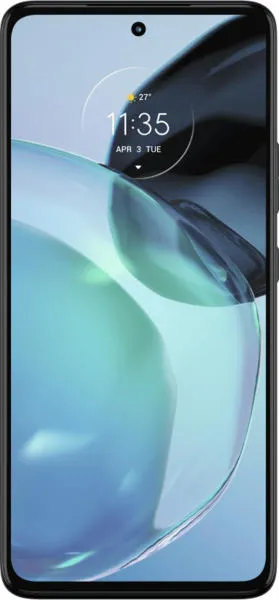
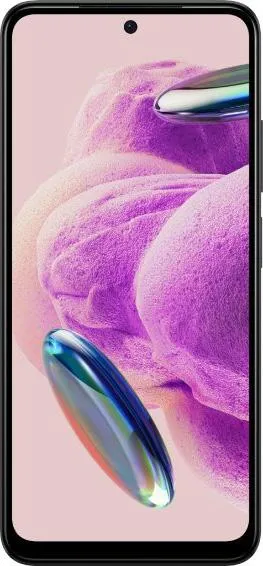
Motorola Moto G72 vs. Xiaomi Redmi Note 12S: A Comparative Analysis
Let's dive deep into a head-to-head comparison of the Motorola Moto G72 and the Xiaomi Redmi Note 12S, dissecting their specifications and uncovering what they truly offer in terms of real-world performance.
1. Specifications Breakdown
| Feature | Motorola Moto G72 | Xiaomi Redmi Note 12S | Real-World Implications |
|---|---|---|---|
| Design | |||
| Dimensions (mm) | 160.5 x 74.4 x 7.9 | 159.9 x 73.9 x 8.1 | Moto G72 is slightly taller and thinner. Negligible difference in daily handling. |
| Weight (g) | 166 | 176 | Redmi Note 12S is slightly heavier, but again, the difference is minimal. |
| Display | |||
| Type | P-OLED | AMOLED | Both offer vibrant colors and deep blacks. AMOLED generally has slightly better contrast. |
| Size (inches) | 6.6 | 6.43 | Moto G72 provides a slightly larger screen for more immersive media consumption. |
| Resolution (px) | 1080 x 2400 | 1080 x 2400 | Identical resolution; sharpness is comparable on both devices. |
| Refresh Rate (Hz) | 120 | 90 | Moto G72's higher refresh rate translates to smoother scrolling and animations. |
| Performance | |||
| Chipset | Helio G99 (6nm) | Helio G96 (12nm) | G99 is slightly more power-efficient due to the smaller manufacturing process (6nm vs 12nm). |
| CPU | 2x2.2 GHz A76 + 6x2.0 GHz A55 | 2x2.05 GHz A76 + 6x2.0 GHz A55 | Moto G72 has a slightly higher clock speed on the performance cores, potentially offering a slight edge in demanding tasks. |
| GPU | Mali-G57 MC2 | Mali-G57 MC2 | Same GPU; graphical performance should be similar. |
| RAM (GB) | 6/8 | 6/8 | RAM options are comparable; multitasking capabilities should be similar. |
| Camera | |||
| Main Camera (MP) | 108 | 108 | Both boast high-resolution main sensors for detailed photos. |
| Video | 1080p@30/60fps | 1080p@30fps | Moto G72 offers 60fps recording for smoother video. |
| Battery Life | |||
| Capacity (mAh) | 5000 | 5000 | Identical battery capacities; real-world battery life will depend on usage patterns and optimization. |
2. Key Insights
- Performance: While both phones utilize the same GPU, the Moto G72's slightly faster CPU and more efficient chipset might give it a slight edge in performance, particularly in demanding tasks and extended gaming sessions. The difference likely won't be dramatically noticeable in day-to-day use.
- Display: The Moto G72's 120Hz refresh rate is a significant advantage, offering a visibly smoother and more responsive user experience compared to the Redmi Note 12S's 90Hz display.
- Camera: Both phones feature 108MP main cameras, promising impressive detail. However, the Moto G72 offers 1080p video recording at 60fps, resulting in smoother videos compared to the Redmi Note 12S's 30fps capability. Real-world image quality will depend on factors beyond megapixel count, such as sensor size and image processing.
- Battery: With identical battery capacities, longevity will depend more on software optimization and individual usage patterns. The G72's more efficient processor might contribute to slightly better battery life.
3. User Profiles and Recommendations
- Moto G72: Best suited for users who prioritize a smooth and responsive display, value slightly better performance for gaming or multitasking, and want the option of smoother video recording.
- Redmi Note 12S: A solid choice for users seeking a vibrant AMOLED display, reliable performance for everyday tasks, and a strong camera system, especially if budget is a primary concern.
4. Buying Decision Framework
- Is a super-smooth display a priority? If yes, the Moto G72's 120Hz refresh rate is a clear winner.
- How important is gaming performance? While not a gaming powerhouse, the Moto G72's slightly faster CPU and more efficient chipset might offer a better experience for mobile gamers.
- What's your budget? Compare prices in your region, as the Redmi Note 12S might offer a more attractive price-to-performance ratio depending on available deals.
My Choice: I would personally choose the Motorola Moto G72. The 120Hz refresh rate significantly enhances the daily user experience, making interactions feel noticeably smoother and more fluid. The slightly more powerful and efficient chipset, coupled with the potential for better battery life, solidifies its appeal. While the Redmi Note 12S is a compelling option, especially considering potential price differences, the G72's advantages in crucial areas like display and performance align better with my personal preferences for a responsive and enjoyable smartphone experience. The small differences in design and weight are negligible to me compared to the tangible benefits of the smoother display and potentially longer battery life.
