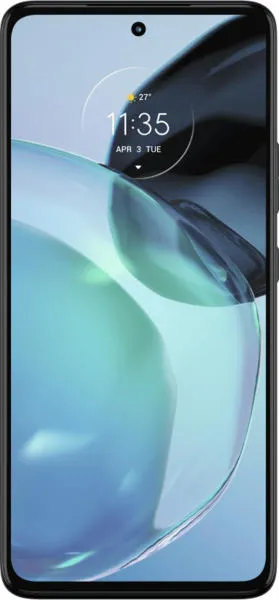
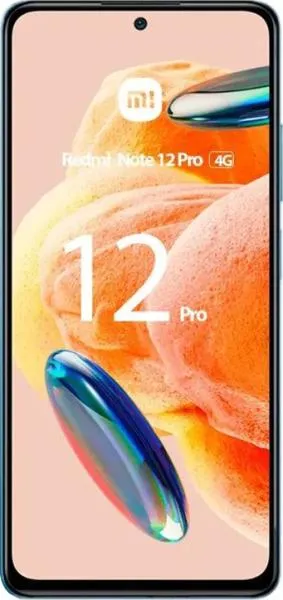
Motorola Moto G72 vs. Xiaomi Redmi Note 12 Pro 4G: A Detailed Comparison
Let's dive deep into a comparative analysis of the Motorola Moto G72 and the Xiaomi Redmi Note 12 Pro 4G, dissecting their specifications and uncovering what they truly offer in terms of real-world performance.
1. Specifications Breakdown
| Feature | Motorola Moto G72 | Xiaomi Redmi Note 12 Pro 4G | Real-World Implications | |||||
|---|---|---|---|---|---|---|---|---|
| Design | ||||||||
| Dimensions (mm) | 160.5 x 74.4 x 7.9 | 164.2 x 76.1 x 8.1 | Redmi Note 12 Pro is slightly larger and heavier. Moto G72 might feel more comfortable for one-handed use. | |||||
| Weight (g) | 166 | 201.8 | Noticeable weight difference; Redmi Note 12 Pro feels more substantial. | |||||
| Display | ||||||||
| Type | P-OLED | AMOLED | Both offer vibrant colors and deep blacks. AMOLED generally has slightly better contrast. | |||||
| Size | 6.6" | 6.67" | Negligible difference in screen real estate. | |||||
| Resolution | 1080 x 2400 | 1080 x 2400 | Identical resolution; sharpness is comparable on both devices. | |||||
| Refresh Rate | 120Hz | 120Hz | Both offer smooth scrolling and animations. | |||||
| HDR | No | Dolby Vision | Redmi Note 12 Pro supports Dolby Vision for enhanced HDR content viewing. | Performance | ||||
| Chipset | Helio G99 (6nm) | Snapdragon 732G (8nm) | Snapdragon 732G generally offers better performance in demanding tasks and gaming. | |||||
| CPU | Octa-core | Octa-core | Both have capable CPUs, but the architecture of the Snapdragon gives it an edge. | |||||
| GPU | Mali-G57 MC2 | Adreno 618 | Adreno 618 delivers superior graphics performance for gaming and visually intensive applications. | |||||
| RAM | 6/8GB | 8GB | More RAM in certain Redmi variants can improve multitasking. | |||||
| Camera | ||||||||
| Main | 108MP | 108MP | Both boast high-resolution main sensors, promising detailed photos. Real-world image quality depends on sensor and software processing. | |||||
| Ultrawide | 8MP | 8MP | Similar ultrawide capabilities. | |||||
| Macro | 2MP | 5MP | Redmi Note 12 Pro has a higher resolution macro lens for potentially better close-up shots. | |||||
| Selfie | 16MP | 16MP | Comparable selfie camera resolution. | |||||
| Video | 1080p@60fps | 4K@30fps | Redmi Note 12 Pro can record 4K video. | |||||
| Battery Life | ||||||||
| Capacity | 5000mAh | 5000mAh | Similar battery capacities suggest comparable battery life, but real-world usage will vary. |
2. Key Insights
- Performance: The Redmi Note 12 Pro 4G, with its Snapdragon 732G processor, pulls ahead in performance, especially for gaming and demanding applications. The Moto G72's Helio G99 is efficient but less powerful.
- Display: While both phones have 120Hz OLED displays, the Redmi Note 12 Pro 4G benefits from Dolby Vision support, offering a superior HDR experience.
- Camera: Both have 108MP main cameras, but the Redmi Note 12 Pro 4G offers more versatile camera features including 4K video recording and a higher resolution macro lens.
- Software: The Moto G72 launched with a newer version of Android (12), while the Redmi Note 12 Pro 4G started with Android 11. Software updates and long-term support should be considered.
3. User Profiles and Recommendations
- Moto G72: Ideal for users prioritizing a clean software experience, a lightweight design, and all-day battery life on a budget. Excellent for everyday tasks, social media, and casual photography.
- Redmi Note 12 Pro 4G: Suited for users seeking a more powerful device for gaming, multimedia consumption, and capturing higher quality photos and videos. The Dolby Vision display is a bonus for movie lovers.
4. Buying Decision Framework
- What is your budget? Compare prices for similar storage configurations.
- What are your primary use cases? Gaming and multimedia? Or everyday tasks and communication?
- Do you value a clean software experience or a feature-rich one?
Scenario-Based Recommendations:
- Limited Budget, Casual User: Moto G72 offers excellent value.
- Power User, Gamer: Redmi Note 12 Pro 4G provides the performance needed.
- Multimedia Enthusiast: Redmi Note 12 Pro 4G, thanks to its Dolby Vision display and 4K recording.
My Choice: Xiaomi Redmi Note 12 Pro 4G
While both phones offer compelling features, I would choose the Xiaomi Redmi Note 12 Pro 4G. The superior performance of the Snapdragon 732G, coupled with the Dolby Vision display and more versatile camera system (especially the 4K video recording), aligns better with my personal preferences for a device that can handle demanding tasks and provide a richer multimedia experience. Although the slightly heavier weight and older initial Android version are minor drawbacks, the overall package offered by the Redmi Note 12 Pro 4G makes it the more compelling choice for me.
