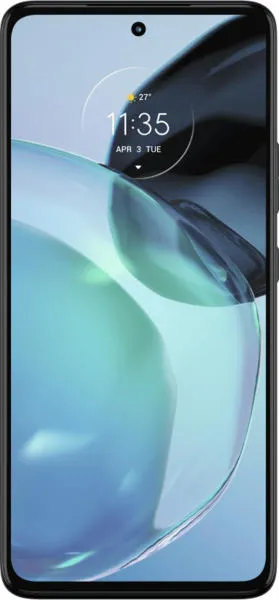
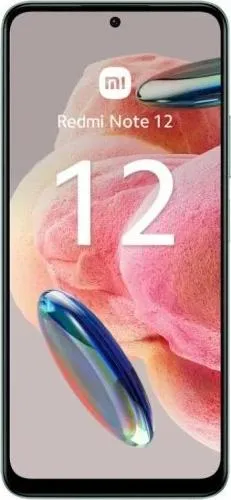
Motorola Moto G72 vs. Xiaomi Redmi Note 12 4G: A Deep Dive
Let's dissect the Motorola Moto G72 and the Xiaomi Redmi Note 12 4G, two compelling contenders in the mid-range smartphone arena. We'll go beyond the spec sheet, translating technical jargon into real-world implications for you.
1. Specifications Breakdown
| Feature | Motorola Moto G72 | Xiaomi Redmi Note 12 4G | Real-World Implications |
|---|---|---|---|
| Design | |||
| Dimensions (mm) | 160.5 x 74.4 x 7.9 | 165.7 x 76 x 7.9 | Moto G72 is slightly smaller and potentially more comfortable for one-handed use. |
| Weight (g) | 166 | 183.5 | Redmi Note 12 4G feels a bit heavier in hand. |
| Display | |||
| Type | P-OLED | AMOLED | Both offer vibrant colors and deep blacks. AMOLED generally has slightly better contrast. |
| Size | 6.6" | 6.67" | Redmi Note 12 4G offers a marginally larger screen. |
| Refresh Rate | 120Hz | 120Hz | Both provide smooth scrolling and animations. |
| Resolution | 1080 x 2400 | 1080 x 2400 | Identical resolution, resulting in sharp visuals on both devices. |
| Performance | |||
| Chipset | Helio G99 | Snapdragon 685 | G99 generally edges out Snapdragon 685 in benchmarks, especially GPU performance, meaning potentially smoother gaming on the Moto G72. |
| CPU | 2x2.2GHz A76, 6x2.0GHz A55 | 4x2.8GHz A73, 4x1.9GHz A53 | Redmi Note 12 has faster individual cores (A73 vs A76), but fewer of them. Real-world performance will depend on optimization. |
| RAM | 6/8GB | 4/6/8GB | More RAM options available on Redmi Note 12 4G, potentially better for multitasking. |
| Camera | |||
| Main | 108MP | 48MP | Higher resolution on Moto G72, but sensor quality and processing are crucial, not just megapixels. |
| Video | 1080p@60fps | 1080p@30fps | Moto G72 offers smoother video recording. |
| Battery Life | |||
| Capacity | 5000mAh | 5000mAh | Identical battery capacities suggest similar longevity, but real-world usage will vary. |
2. Key Insights
- Performance: While benchmarks favor the Moto G72's Helio G99, the Redmi Note 12 4G's Snapdragon 685 combined with sufficient RAM could offer a comparable everyday experience. The difference may be noticeable in graphically demanding games.
- Display: Both phones boast impressive displays with a 120Hz refresh rate. The choice between P-OLED and AMOLED comes down to personal preference – both offer vivid visuals.
- Camera: The Moto G72 boasts a higher resolution main camera (108MP vs. 48MP), but megapixels alone don't tell the whole story. Image quality depends heavily on sensor size, processing, and software optimization. The Redmi Note 12 4G provides more detailed sensor information, suggesting a potentially better overall camera system despite the lower resolution. The Moto G72's ability to record 1080p at 60fps is a significant advantage for video.
- Software: The Redmi Note 12 4G ships with a newer version of Android (13) and has a guaranteed upgrade path to Android 14, giving it a longer software lifespan and potentially more features.
3. User Profiles and Recommendations
- Moto G72: Suits users prioritizing gaming performance and smoother video recording. Its slightly smaller form factor might also appeal to those who prefer a more compact phone.
- Redmi Note 12 4G: Best for users who value software updates and longevity. Its wider range of RAM options allows for tailoring to specific needs and budget. The more detailed camera sensor specs suggest a focus on image quality.
4. Buying Decision Framework
- What's your budget? Compare prices for comparable RAM and storage configurations.
- Is gaming a priority? The Moto G72 might offer a slight edge in gaming performance.
- How important are software updates? The Redmi Note 12 4G has a longer guaranteed update cycle.
My Choice: I would choose the Xiaomi Redmi Note 12 4G. While the Moto G72 might offer slightly better raw performance, the Redmi Note 12 4G's longer software support, more detailed camera sensor specifications (indicating potentially better image quality), and the availability of an 8GB/256GB configuration make it a more compelling option for me in the long run. I prioritize a well-rounded experience and value long-term software support. Also, the price difference between the two for the same memory configuration is negligible.
