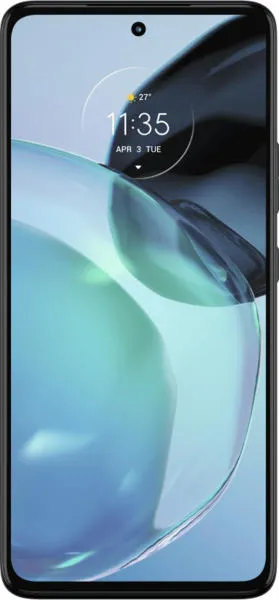
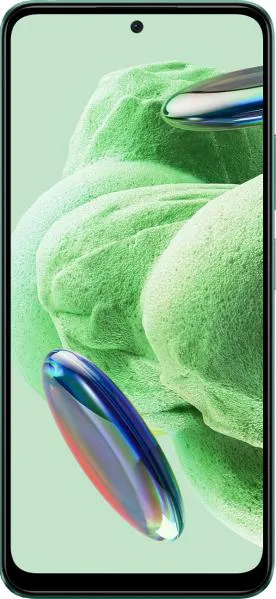
Motorola Moto G72 vs. Xiaomi Redmi Note 12: A Deep Dive for the Discerning Smartphone Buyer
Hello fellow tech enthusiasts! Alex Griffin here, your friendly neighborhood smartphone analyst, ready to dissect the Motorola Moto G72 and the Xiaomi Redmi Note 12. Both phones aim for that sweet spot of affordability and performance, but which one truly delivers? Let's dive into the nitty-gritty details and uncover the real-world implications for you, the user.
1. Specifications Breakdown
| Feature | Motorola Moto G72 | Xiaomi Redmi Note 12 | Real-World Implications |
|---|---|---|---|
| Design | |||
| Dimensions (mm) | 160.5 x 74.4 x 7.9 | 165.9 x 76.2 x 8.0 | Redmi Note 12 is slightly larger and heavier. Moto G72 might feel more comfortable for one-handed use. |
| Weight (g) | 166 | 188 | Noticeable difference in weight; G72 feels lighter in hand. |
| Display | |||
| Type | P-OLED | AMOLED | Both offer vibrant colors and deep blacks. AMOLED generally consumes less power, but real-world use will vary. |
| Size | 6.6" | 6.67" | Negligible difference in size; both offer immersive viewing experiences. |
| Refresh Rate | 120Hz | 120Hz | Smooth scrolling and animations on both devices. |
| Resolution | 1080 x 2400 | 1080 x 2400 | Sharp and detailed visuals on both, but pixel density is slightly higher on the Moto G72 due to the marginally smaller screen size. |
| Performance | |||
| Chipset | Helio G99 | Snapdragon 4 Gen 1 | G99 generally edges out in CPU benchmarks, but Snapdragon 4 Gen 1 boasts better GPU performance for gaming. Real-world multitasking and app loading speeds should be compared in reviews. |
| CPU | Octa-core | Octa-core | Core configurations differ; performance variations will depend on optimization. |
| GPU | Mali-G57 MC2 | Adreno 619 | Adreno 619 has an advantage in graphics-intensive tasks. Mali-G57 MC2 is no slouch, but might show limitations in demanding games. |
| RAM | 6/8GB | 4/6/8GB | RAM options vary; more RAM generally means better multitasking. |
| Camera | |||
| Main Camera | 108MP | 48MP | Higher megapixel count on the G72 doesn't guarantee better photos. Image quality depends on sensor size, processing, and other factors. Need to compare actual photo samples. |
| Video Recording | 1080p@30/60fps | 1080p@30fps | Moto G72 offers 60fps recording for smoother videos. |
| Battery Life | |||
| Capacity | 5000mAh | 5000mAh | Similar battery capacities; actual battery life depends on usage patterns and software optimization. |
2. Key Insights
- Performance: While benchmarks suggest a slight edge for the G99 in raw CPU power, the Snapdragon 4 Gen 1's Adreno 619 GPU may provide a smoother gaming experience. Real-world usage and detailed reviews will be crucial to determining the true performance champion.
- Camera: The Moto G72 boasts a 108MP main sensor, but megapixels aren't everything. Xiaomi's 48MP sensor with its Samsung S5KJN1 sensor might deliver superior image quality due to factors like sensor size and processing. A side-by-side image comparison is necessary.
- Display: Both offer excellent displays with vibrant colors and fast refresh rates. The choice between P-OLED and AMOLED comes down to personal preference and power consumption considerations.
3. User Profiles and Recommendations
- Moto G72: Suited for users prioritizing a potentially faster CPU, higher resolution video recording, and a lighter phone.
- Redmi Note 12: Best for users who value a potentially better gaming experience, and a potentially superior main camera.
4. Buying Decision Framework
- What are your primary smartphone activities? Heavy gaming? Lots of photography? General use?
- What is your budget? Compare prices for similar RAM and storage configurations.
- Which features are most important to you? Camera quality? Battery life? Performance?
Scenario-Based Recommendations:
- Gamer: Lean towards the Redmi Note 12 for its Adreno 619 GPU.
- Photographer: Wait for camera reviews and image comparisons before deciding. Megapixel count alone is not decisive.
- Everyday User: Either phone could be a good fit. Consider price, design preferences, and specific feature needs.
My Choice: Waiting for More Data
As a tech journalist with an engineering background, I wouldn't jump to conclusions based solely on spec sheets. I need to see real-world performance benchmarks, camera comparisons, and battery life tests. While the Moto G72's lighter weight and 108MP camera are tempting, the Redmi Note 12's Adreno 619 GPU and more mature camera sensor technology (Samsung S5KJN1) intrigue me. Ultimately, my choice hinges on comprehensive reviews that delve deeper than just numbers on paper. I encourage you to do the same! Don't fall for marketing hype; seek out in-depth analyses before making your purchase decision.
