Motorola Moto G72 vs. Xiaomi Redmi 12C: A Deep Dive for the Discerning Smartphone Buyer
Hello fellow tech enthusiasts! Today, we're dissecting two compelling contenders in the mid-to-low-end smartphone arena: the Motorola Moto G72 and the Xiaomi Redmi 12C. Let's cut through the marketing fluff and get down to the nuts and bolts of what these devices offer in terms of real-world performance.
1. Specifications Breakdown
| Feature | Motorola Moto G72 | Xiaomi Redmi 12C | Real-World Implications |
|---|---|---|---|
| Design | |||
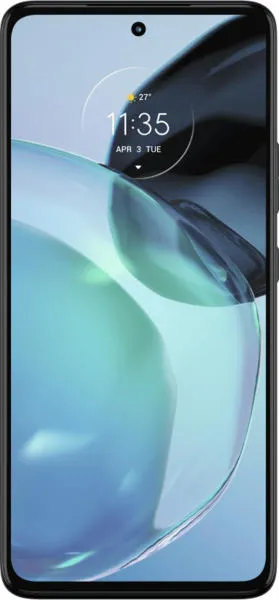
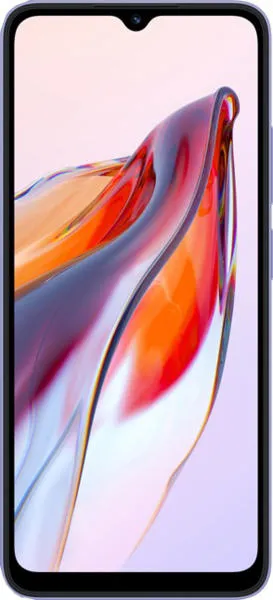
| Dimensions (mm) | 160.5 x 74.4 x 7.9 | 168.8 x 76.4 x 8.8 | Moto G72 is noticeably more compact and slimmer, easier for one-handed use and pocketability. |
| Weight (g) | 166 | 192 | Redmi 12C feels heavier and more substantial, potentially more durable but less portable. |
| Display | |||
| Type | P-OLED, 120Hz | IPS LCD | G72 boasts vibrant colors, deeper blacks, and smoother scrolling thanks to the 120Hz refresh rate. Redmi 12C's LCD is decent but less visually impressive. |
| Size | 6.6" | 6.71" | Redmi 12C offers a slightly larger screen, but the G72's higher resolution and superior panel quality likely provide a more enjoyable viewing experience. |
| Resolution | 1080 x 2400 | 720 x 1650 | G72's sharper display (402 ppi vs. 268 ppi) results in crisper text, images, and videos. |
| Performance | |||
| Chipset | Helio G99 (6nm) | Helio G85 (12nm) | G99 provides a performance edge in demanding tasks and gaming, also more power efficient. |
| CPU | Octa-core | Octa-core | Both have capable CPUs, but the G99's architecture gives it a slight advantage. |
| GPU | Mali-G57 MC2 | Mali-G52 MC2 | G72 offers smoother graphics performance, especially noticeable in gaming. |
| RAM | 6/8GB | 3/4/6GB | More RAM in G72 enables better multitasking and app switching. |
| Camera | |||
| Main Camera | 108MP | 50MP | G72's higher resolution sensor potentially captures more detail, but real-world performance depends on image processing. |
| Video Recording | 1080p@60fps | 1080p@30fps | G72 records smoother videos thanks to 60fps recording. |
| Battery Life | |||
| Capacity | 5000mAh | 5000mAh | Similar battery capacities suggest comparable endurance, but the G99's efficiency could give the G72 an edge. |
| Charging | Proprietary Fast | 10W Standard | G72 likely charges significantly faster. |
2. Key Insights
The Moto G72 positions itself as a multimedia powerhouse with its stunning P-OLED display, smooth 120Hz refresh rate, capable Helio G99 processor, and high-resolution camera. It excels in delivering an immersive content consumption experience, handles demanding tasks with ease, and offers decent battery life.
The Redmi 12C, on the other hand, prioritizes affordability. While it boasts a large display and long-lasting battery, compromises are evident in the lower resolution screen, less powerful processor, and slower charging. It caters to users who prioritize basic functionality and value over top-tier performance.
3. User Profiles and Recommendations
Moto G72: Ideal for users who prioritize a premium display, smooth performance, and enjoy mobile gaming or multimedia consumption. Students, young professionals, and content creators would appreciate its capabilities.
Redmi 12C: Best suited for budget-conscious users who primarily use their phones for calling, texting, social media browsing, and light tasks. It's a practical choice for those seeking a reliable device without breaking the bank.
4. Buying Decision Framework
- What is your budget? The Redmi 12C is significantly cheaper, making it a compelling option for tight budgets.
- What are your primary phone usage patterns? If multimedia consumption and gaming are priorities, the G72's superior display and performance are worth the extra cost. For basic tasks, the Redmi 12C suffices.
- Do you value display quality and performance over battery life? The G72 excels in display and performance but might have slightly less battery life due to the 120Hz display. The Redmi 12C provides longer battery but compromises on display quality and speed.
My Choice: The Motorola Moto G72
While the Redmi 12C is a solid budget option, I'd personally choose the Moto G72. The significantly better display, smoother performance thanks to the 120Hz refresh rate and faster processor, coupled with the still very competitive price, make it a clear winner for me. I heavily value a responsive and visually appealing user experience, and the G72 delivers on those fronts without a significant compromise on battery life. The faster charging is a definite bonus in today's fast-paced world. While the Redmi 12C offers incredible value, the compromises in key areas like the display and performance are too substantial for my personal preferences.
