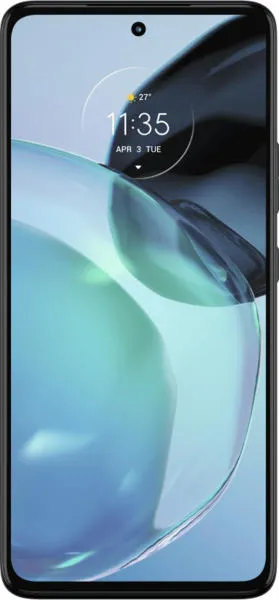
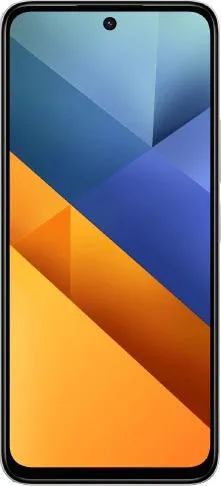
Motorola Moto G72 vs. Xiaomi Poco M6 4G: A Deep Dive
Let's dissect the Motorola Moto G72 and Xiaomi Poco M6 4G, two compelling contenders in the mid-to-low price smartphone arena. We'll go beyond the spec sheet to uncover what these devices offer in real-world use.
1. Specifications Breakdown
| Feature | Motorola Moto G72 | Xiaomi Poco M6 4G | Real-World Implications |
|---|---|---|---|
| Design | |||
| Dimensions (mm) | 160.5 x 74.4 x 7.9 | 168.6 x 76.3 x 8.3 | Poco M6 is larger and slightly heavier; Moto G72 is more pocketable. |
| Weight (g) | 166 | 205 | Noticeable difference in hand feel; Poco M6 might feel bulky for some. |
| Display | |||
| Type | P-OLED | IPS LCD | Moto G72 offers deeper blacks, richer colors, and potentially better outdoor visibility. |
| Size | 6.6" | 6.79" | Poco M6 has a slightly larger screen for more immersive content consumption. |
| Refresh Rate | 120Hz | 90Hz | Moto G72 provides smoother scrolling and animations. |
| Resolution | 1080 x 2400 | 1080 x 2460 | Comparable sharpness; negligible difference in pixel density. |
| Performance | |||
| Chipset | Helio G99 (6nm) | Helio G91 (12nm) | Moto G72's more efficient 6nm process should lead to better battery life and slightly faster performance. |
| CPU | Octa-core (2x2.2 GHz A76 & 6x2.0 GHz A55) | Octa-core (2x2.0 GHz A75 & 6x1.8 GHz A55) | Moto G72 likely has a performance edge due to higher clock speeds and more powerful cores. |
| GPU | Mali-G57 MC2 | Mali-G52 MC2 | Moto G72 should offer better gaming performance. |
| RAM | 6/8GB | 6/8GB | Comparable multitasking capabilities. |
| Camera | |||
| Main Camera | 108MP | 108MP | Resolution is similar, but sensor and image processing will determine the real-world quality. |
| Selfie Camera | 16MP | 13MP | Moto G72 has a higher resolution front camera. |
| Battery Life | |||
| Capacity | 5000mAh | 5030mAh | Negligible difference in battery capacity; real-world usage will vary based on chip efficiency. |
| OS | Android 12 | Android 14 | Poco M6 ships with a newer Android version out of the box. |
2. Key Insights
- Performance: The Moto G72 likely holds a performance advantage due to its more advanced Helio G99 chipset built on a 6nm process, offering better power efficiency and potentially higher sustained performance compared to the Poco M6's Helio G91.
- Display: While the Poco M6 boasts a slightly larger display, the Moto G72's P-OLED technology offers significantly better contrast, color reproduction, and viewing angles. The G72's 120Hz refresh rate also provides a noticeably smoother user experience compared to the M6's 90Hz.
- Camera: Both phones feature a 108MP main camera, but real-world performance will depend on sensor quality, image processing algorithms, and supporting lenses. Megapixel count alone isn't everything!
- Software: The Poco M6 ships with the newer Android 14, providing access to the latest features and potentially longer software support. However, Motorola has a decent track record of software updates.
- Price: The Poco M6 generally falls into a lower price bracket, making it potentially a more budget-friendly option.
3. User Profiles and Recommendations
- Moto G72: Best suited for users who prioritize a smooth, responsive display with vibrant colors, excellent battery life, and solid all-around performance. Ideal for media consumption, gaming, and everyday tasks.
- Poco M6: A good choice for budget-conscious users seeking a large screen and the latest Android version. Suitable for casual users who prioritize basic functionality and long battery life over peak performance and display quality.
4. Buying Decision Framework
- What is your budget? If price is a major constraint, the Poco M6 offers good value.
- Is display quality a priority? If you value rich colors, deep blacks, and smooth scrolling, the Moto G72's P-OLED display with a 120Hz refresh rate is the clear winner.
- How important is overall performance? For demanding tasks and gaming, the Moto G72's Helio G99 chipset is likely to provide a better experience.
My Choice: I would choose the Motorola Moto G72. While the Poco M6 offers a compelling value proposition, I personally prioritize a smooth and responsive display, which the G72's 120Hz P-OLED panel delivers in spades. The more efficient chipset and potential for better overall performance also sway my decision. While the newer Android version on the Poco M6 is attractive, I find the superior display and performance of the G72 to be more compelling for my personal needs. I'm willing to pay a bit more for the enhanced user experience.
