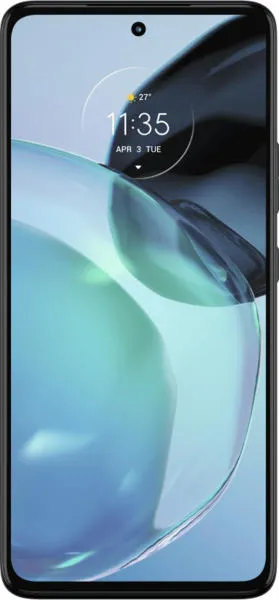
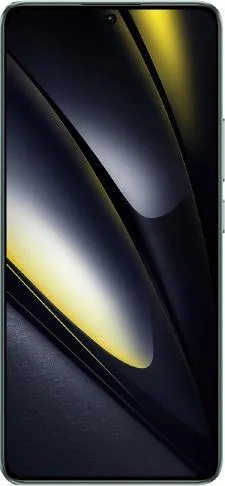
Let's dive into a comparative analysis of the Motorola Moto G72 and the Xiaomi Poco F6, dissecting their technical specifications and translating them into real-world implications for you.
1. Specifications Breakdown
| Feature | Motorola Moto G72 | Xiaomi Poco F6 | Real-World Implications |
|---|---|---|---|
| Design | |||
| Dimensions (mm) | 160.5 x 74.4 x 7.9 | 160.5 x 74.5 x 8.0 | Virtually identical in size and feel. |
| Weight (g) | 166 | 179 | Poco F6 slightly heavier, potentially noticeable in extended use. |
| Display | |||
| Type | P-OLED | AMOLED | Both offer vibrant colors and deep blacks. AMOLED generally has a slight edge in brightness and contrast. |
| Size | 6.6" | 6.67" | Negligible difference in screen real estate. |
| Resolution | 1080 x 2400 | 1220 x 2712 | Poco F6 boasts sharper visuals due to higher resolution. Noticeable in detail-rich content like photos and videos. |
| Refresh Rate | 120Hz | 120Hz | Both offer smooth scrolling and animations. |
| HDR | No | HDR10+, Dolby Vision | Poco F6 supports HDR for enhanced dynamic range in compatible content, resulting in a more visually immersive experience. |
| Performance | |||
| Chipset | Helio G99 | Snapdragon 8s Gen 3 | Poco F6 significantly more powerful, enabling smoother multitasking, demanding gaming, and faster app loading. |
| CPU | 2x2.2 GHz A76, 6x2.0 GHz A55 | 1x3.0 GHz X4, 4x2.8 GHz A720, 3x2.0 GHz A520 | Poco F6's superior CPU architecture delivers substantial performance gains. |
| GPU | Mali-G57 MC2 | Adreno 735 | Poco F6 offers a much more capable GPU, crucial for high-end gaming and graphically intensive tasks. |
| RAM | 6/8GB | 8/12GB | Poco F6 offers more RAM in its base configuration, further enhancing multitasking and overall system responsiveness. |
| Camera | |||
| Main Camera | 108MP | 50MP | Moto G72 has a higher megapixel count, but Poco F6 uses a larger sensor (Sony IMX882), potentially resulting in better low-light performance. |
| Video | 1080p@60fps | 4K@60fps | Poco F6 capable of recording significantly higher resolution video. |
| Battery Life | |||
| Capacity | 5000mAh | 5000mAh | Similar battery capacity suggests comparable longevity, though real-world usage will vary depending on individual usage patterns and software optimization. |
2. Key Insights
- Performance: The Poco F6 is the clear winner in terms of raw power, thanks to its flagship-level Snapdragon 8s Gen 3 processor. This translates to a noticeably smoother and more responsive user experience, especially for demanding tasks.
- Display: While both phones have 120Hz refresh rates, the Poco F6's higher resolution and HDR support deliver a superior visual experience.
- Camera: This is a closer call. The Moto G72 boasts a 108MP sensor, but megapixels aren't everything. The Poco F6's Sony IMX882 sensor is known for its low-light capabilities. Real-world testing would be needed to determine a definitive winner.
- Price: While both are in the "medium price" range, the specific pricing will vary by region and storage configuration. The Poco F6, with its superior specs, is likely to be positioned at the higher end of this range.
3. User Profiles and Recommendations
- Moto G72: Ideal for users seeking a solid, reliable phone for everyday tasks like browsing, social media, and casual photography. Its strong battery life is a plus.
- Poco F6: Best suited for power users, gamers, and content creators who demand top-tier performance, a stunning display, and advanced camera features.
4. Buying Decision Framework
- What is your budget? The Poco F6 likely commands a premium due to its advanced features.
- What are your primary use cases? For everyday tasks, the Moto G72 is sufficient. For demanding applications, the Poco F6 is the better choice.
- Which features matter most? Prioritize performance, display, and camera quality if opting for the Poco F6. Choose the Moto G72 if battery life and affordability are paramount.
My Choice: Xiaomi Poco F6
If I were choosing between these two, I'd go with the Xiaomi Poco F6. While the Moto G72 is a commendable device, the Poco F6's significant performance advantage, superior display, and potentially better camera make it a more compelling package for my needs. I prioritize a smooth and responsive user experience, especially for multitasking and occasional gaming. The higher resolution display and HDR support are also significant factors for me as I enjoy consuming multimedia content. While the price difference is a consideration, the long-term benefits of the Poco F6's superior hardware justify the investment in my view.
