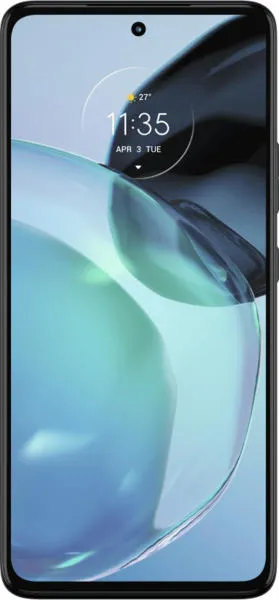
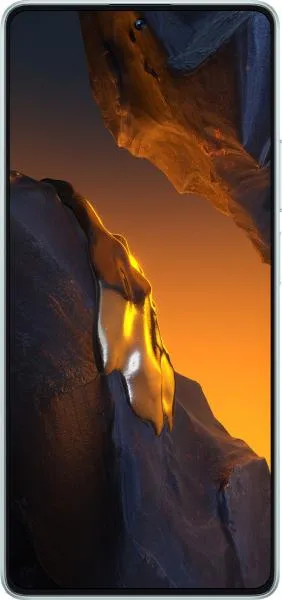
Motorola Moto G72 vs. Xiaomi Poco F5: A Deep Dive for the Discerning Smartphone User
Hello fellow tech explorers! Today, we're dissecting two compelling mid-range contenders: the Motorola Moto G72 and the Xiaomi Poco F5. Let's delve beyond the spec sheets and uncover what these devices offer in real-world scenarios.
1. Specifications Breakdown
| Feature | Motorola Moto G72 | Xiaomi Poco F5 | Real-World Implications |
|---|---|---|---|
| Design | |||
| Dimensions (mm) | 160.5 x 74.4 x 7.9 | 161.1 x 75 x 7.9 | Poco F5 is slightly larger; negligible difference in daily use. |
| Weight (g) | 166 | 181 | Moto G72 noticeably lighter, reducing hand fatigue during extended use. |
| Display | |||
| Type | P-OLED | AMOLED | Both offer vibrant colors and deep blacks. AMOLED generally boasts slightly better contrast. |
| Size (inches) | 6.6 | 6.67 | Poco F5 offers marginally more screen real estate. |
| Resolution | 1080 x 2400 | 1080 x 2400 | Identical resolution; sharpness comparable on both devices. |
| Refresh Rate (Hz) | 120 | 120 | Both deliver smooth scrolling and animations. |
| HDR | No | HDR10+, Dolby Vision | Poco F5 significantly enhances video quality with HDR support for richer colors and contrast. |
| Performance | |||
| Chipset | Helio G99 (6nm) | Snapdragon 7+ Gen 2 (4nm) | Poco F5 boasts a significantly more powerful processor, resulting in much faster performance. |
| CPU | Octa-core | Octa-core | Poco F5's CPU architecture and higher clock speeds translate to superior multitasking and gaming. |
| GPU | Mali-G57 MC2 | Adreno 725 | Poco F5's GPU delivers a substantial leap in graphics performance for demanding games and apps. |
| RAM | 6/8GB | 8/12GB | Poco F5 offers more RAM in its base configuration, improving multitasking and app responsiveness. |
| Camera | |||
| Main Camera (MP) | 108 | 64 | Moto G72 has higher resolution; Poco F5 uses a newer sensor technology – image quality comparison needed in a real-world test. |
| Video | 1080p@60fps | 4K@30fps | Poco F5 capable of recording higher resolution video. |
| Battery Life | |||
| Capacity (mAh) | 5000 | 5000 | Similar battery capacities; real-world battery life depends on usage and optimization. |
2. Key Insights
The Moto G72 prioritizes a lightweight design and a vibrant P-OLED display. Its strength lies in its comfortable handling and affordability.
The Poco F5, however, is a performance powerhouse. Its Snapdragon 7+ Gen 2 chip, coupled with ample RAM and a superior GPU, makes it ideal for demanding tasks and gaming. The inclusion of HDR significantly elevates the multimedia experience.
3. User Profiles and Recommendations
Moto G72: Suited for users who prioritize a lightweight phone for everyday communication, social media, and light content consumption. Its affordability makes it an attractive option for budget-conscious buyers.
Poco F5: Ideal for power users, mobile gamers, and those who demand top-tier performance. Its superior hardware ensures smooth multitasking, seamless gaming, and a premium multimedia experience.
4. Buying Decision Framework
- What is your budget? The Moto G72 offers excellent value for its price, while the Poco F5 commands a premium for its superior performance.
- What are your primary smartphone usage patterns? For casual use, the Moto G72 suffices. For demanding tasks and gaming, the Poco F5 excels.
- Do you prioritize multimedia consumption? The Poco F5's HDR support makes it the clear winner for watching movies and videos.
My Choice: The Xiaomi Poco F5
While the Moto G72 is a respectable contender in the mid-range segment, I'd choose the Poco F5. The significant performance advantage offered by the Snapdragon 7+ Gen 2 is compelling. As someone who values a smooth and responsive user experience, the Poco F5's capabilities in multitasking, gaming, and content consumption align perfectly with my needs. The inclusion of HDR further sweetens the deal, providing a noticeable improvement in video quality. While the slightly higher price and heavier weight are factors to consider, the overall package offered by the Poco F5 makes it the clear winner for me. It represents a future-proof investment that can handle demanding tasks and evolving app requirements with ease.
