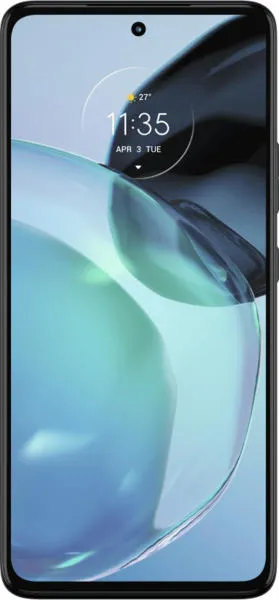
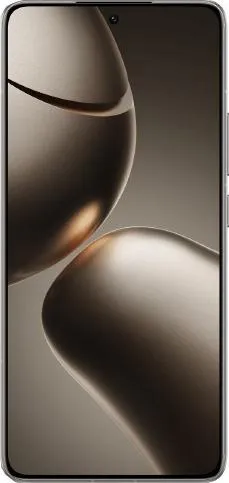
Motorola Moto G72 vs. Xiaomi 14T Pro: A Deep Dive
Let's dissect the Motorola Moto G72 and the Xiaomi 14T Pro, two compelling mid-range contenders, and see how their specs translate to real-world performance.
1. Specifications Breakdown
| Feature | Motorola Moto G72 | Xiaomi 14T Pro | Real-World Implications |
|---|---|---|---|
| Design | |||
| Dimensions (mm) | 160.5 x 74.4 x 7.9 | 160.4 x 75.1 x 8.4 | Xiaomi is slightly larger and heavier. Moto G72 might offer a slightly better one-handed grip due to its slimmer profile. |
| Weight (g) | 166 | 209 | Noticeable weight difference; Xiaomi feels more substantial, potentially impacting portability. |
| Display | |||
| Type | P-OLED | AMOLED | Both offer vibrant colors and deep blacks. AMOLED generally offers slightly better contrast. |
| Size (inches) | 6.6 | 6.67 | Negligible size difference in real-world usage. |
| Resolution | 1080 x 2400 | 1220 x 2712 | Xiaomi boasts a sharper display with higher pixel density, resulting in crisper text and images. |
| Refresh Rate (Hz) | 120 | 144 | Xiaomi's higher refresh rate provides smoother scrolling and animations, especially noticeable in gaming and fast-paced content consumption. |
| Performance | |||
| Chipset | Helio G99 | Dimensity 9300+ | Xiaomi significantly outperforms in processing power and graphics rendering, enabling smoother multitasking and demanding gaming. |
| CPU | Octa-core (2.2 GHz) | Octa-core (3.4 GHz) | Xiaomi's more powerful CPU cores deliver a substantial performance advantage in demanding applications and responsiveness. |
| RAM (GB) | 6/8 | 12 | Xiaomi's larger RAM capacity allows for more apps to run in the background without performance degradation. |
| Camera | |||
| Main Camera (MP) | 108 | 50 | While Moto G72 has higher megapixels, Xiaomi utilizes a larger sensor (OVX9000) known for excellent low-light performance and dynamic range. |
| Video | 1080p@60fps | 8K@30fps | Xiaomi offers significantly higher video resolution capabilities. |
| Battery Life | |||
| Capacity (mAh) | 5000 | 5000 | Similar battery capacities, but real-world battery life will depend on software optimization and usage patterns. |
2. Key Insights
- Performance: The Xiaomi 14T Pro is a clear winner in terms of raw performance, thanks to its cutting-edge Dimensity 9300+ processor and ample RAM. The Moto G72, while decent for everyday tasks, will struggle with demanding games or heavy multitasking.
- Display: Xiaomi again edges ahead with a sharper, higher refresh rate AMOLED display offering a more immersive visual experience.
- Camera: This is a nuanced comparison. The Moto G72 boasts a higher megapixel count, but the Xiaomi 14T Pro features a superior sensor and advanced features like 8K video recording, potentially resulting in better overall image and video quality. Xiaomi's Leica-tuned lenses could offer a significant advantage in image quality and unique color science.
- Value: The Moto G72 aims for affordability, while the Xiaomi 14T Pro justifies its higher price with premium features.
3. User Profiles and Recommendations
- Moto G72: Ideal for budget-conscious users who prioritize basic functionality, casual gaming, and all-day battery life. Suitable for social media, web browsing, and light productivity.
- Xiaomi 14T Pro: Geared towards power users, mobile gamers, photography enthusiasts, and those who demand top-tier performance and a premium display. Excellent for demanding tasks, content creation, and immersive media consumption.
4. Buying Decision Framework
- What is your budget? The Moto G72 is significantly more affordable.
- What are your primary use cases? For everyday tasks, the Moto G72 suffices. For demanding gaming or professional content creation, the Xiaomi 14T Pro is a better fit.
- Do you prioritize display quality and performance? The Xiaomi 14T Pro offers a superior visual experience and significantly faster performance.
My Choice: I would choose the Xiaomi 14T Pro. While more expensive, its superior performance, stunning display, and advanced camera capabilities align with my needs as a tech enthusiast who often pushes devices to their limits. The future-proof 5G connectivity and WiFi 7 support are also compelling for long-term use. The leap in chipset technology from the Helio G99 to the Dimensity 9300+ alone is a significant factor, promising a noticeably smoother and more responsive user experience. I value the investment in a device that can handle demanding tasks and provide a premium user experience for years to come.
