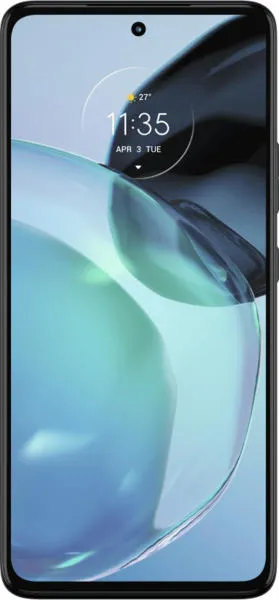
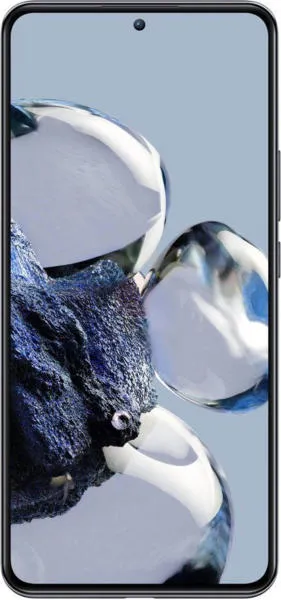
Let's dive into a comparative analysis of the Motorola Moto G72 and the Xiaomi 12T Pro, dissecting their technical specifications and translating them into real-world implications for you.
1. Specifications Breakdown
| Feature | Motorola Moto G72 | Xiaomi 12T Pro | Real-World Implications |
|---|---|---|---|
| Design | |||
| Dimensions (mm) | 160.5 x 74.4 x 7.9 | 163.1 x 75.9 x 8.6 | 12T Pro slightly larger and heavier; G72 more pocketable. |
| Weight (g) | 166 | 205 | Noticeable difference in hand; G72 feels lighter and less bulky for extended use. |
| Display | |||
| Type | P-OLED | AMOLED | Both offer vibrant colors and deep blacks. AMOLED generally has slightly punchier colors. |
| Size | 6.6" | 6.67" | Negligible difference in screen real estate. |
| Resolution | 1080 x 2400 | 1220 x 2712 | 12T Pro noticeably sharper, especially for text and fine details; contributes to a more premium feel. |
| Refresh Rate | 120Hz | 120Hz | Both offer smooth scrolling and animations. |
| Performance | |||
| Chipset | Helio G99 | Snapdragon 8+ Gen 1 | Massive performance difference; 12T Pro significantly faster for demanding tasks, gaming, and multitasking. |
| CPU | 2x2.2 GHz A76, 6x2.0 GHz A55 | 1x3.19 GHz X2, 3x2.75 GHz A710, 4x2.0 GHz A510 | 12T Pro's superior core architecture and clock speeds deliver a flagship-level experience. |
| GPU | Mali-G57 MC2 | Adreno 730 | 12T Pro offers significantly better graphics performance for gaming and graphically intensive applications. |
| RAM | 6/8GB | 8/12GB | More RAM on the 12T Pro enables smoother multitasking and better handling of demanding applications. |
| Camera | |||
| Main Sensor | 108MP | 200MP | Both offer high resolution for detailed photos; 12T Pro boasts advanced features like OIS for better low-light. |
| Video | 1080p@60fps | 8K@24fps | 12T Pro capable of much higher resolution video recording. |
| Battery Life | |||
| Capacity | 5000mAh | 5000mAh | Similar battery capacity; real-world battery life will depend on usage and optimization. |
2. Key Insights
- Performance: The Xiaomi 12T Pro is a clear winner in terms of raw performance, thanks to its flagship Snapdragon 8+ Gen 1 processor. The Moto G72, while capable for everyday tasks, won't match the 12T Pro's speed or gaming prowess.
- Display: The 12T Pro offers a sharper, more vibrant display due to its higher resolution AMOLED panel. While the G72's P-OLED display is no slouch, the 12T Pro delivers a more premium visual experience.
- Camera: The 200MP sensor and Optical Image Stabilization (OIS) on the 12T Pro suggest superior camera performance, especially in low-light conditions. The G72's 108MP sensor is still capable, but lacks the advanced features of the 12T Pro.
- Value: The Moto G72 offers excellent value for its price, providing a solid overall experience for budget-conscious users. The 12T Pro commands a higher price but justifies it with flagship-level performance and features.
3. User Profiles and Recommendations
- Moto G72: Ideal for budget-conscious users who prioritize essential features like a good display, long battery life, and decent camera performance. Suitable for everyday tasks, social media, and casual gaming.
- Xiaomi 12T Pro: Perfect for power users, gamers, and photography enthusiasts who demand top-tier performance, a stunning display, and advanced camera capabilities.
4. Buying Decision Framework
- What's your budget? If you're on a tight budget, the G72 offers excellent value. If you're willing to spend more for premium features, the 12T Pro is the way to go.
- What are your performance needs? For demanding tasks and gaming, the 12T Pro's superior processor is essential. For everyday use, the G72 is sufficient.
- How important is camera quality? If photography is a priority, the 12T Pro's advanced camera system with OIS will deliver better results.
My Choice: Xiaomi 12T Pro
While the Moto G72 is a compelling option for its price, I would choose the Xiaomi 12T Pro. As a tech journalist who often multitasks, uses demanding applications, and appreciates high-quality visuals, the 12T Pro's flagship performance, stunning display, and advanced camera system are crucial. The price difference is justified by the significant leap in capabilities, offering a future-proof device that can handle anything I throw at it. The superior image quality from the 200MP sensor with OIS is a major draw for documenting events and capturing detailed shots. I prioritize a smooth, lag-free experience, and the Snapdragon 8+ Gen 1 delivers exactly that. Ultimately, the 12T Pro aligns better with my needs and provides a more compelling overall package.
