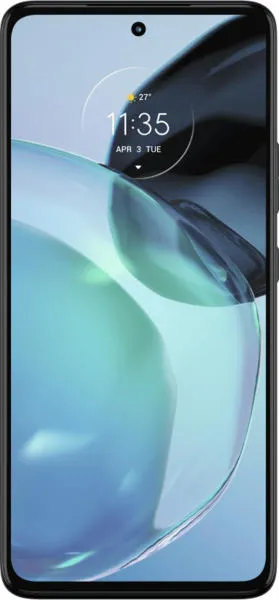
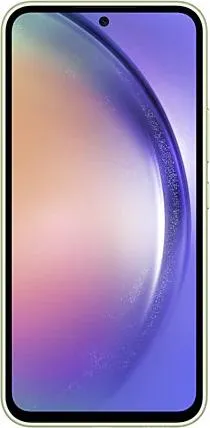
Motorola Moto G72 vs. Samsung Galaxy A54: A Detailed Comparison
Let's dive deep into a comparative analysis of the Motorola Moto G72 and the Samsung Galaxy A54, two compelling contenders in the mid-range smartphone arena. We'll dissect their specifications, translate them into real-world implications, and ultimately guide you toward the device that best aligns with your needs.
1. Specifications Breakdown
| Feature | Motorola Moto G72 | Samsung Galaxy A54 | Real-World Implications |
|---|---|---|---|
| Design | |||
| Dimensions (mm) | 160.5 x 74.4 x 7.9 | 158.2 x 76.7 x 8.2 | A54 slightly shorter and wider, both slim; negligible difference in hand feel. |
| Weight (g) | 166 | 202 | G72 noticeably lighter, reducing hand fatigue during extended use. |
| Display | |||
| Type | P-OLED | Super AMOLED | Both offer vibrant colors and deep blacks; A54 potentially brighter with HDR10+ support. |
| Size (inches) | 6.6 | 6.4 | G72 slightly larger screen for more immersive content consumption. |
| Refresh Rate (Hz) | 120 | 120 | Both offer smooth scrolling and animations. |
| Resolution | 1080 x 2400 | 1080 x 2340 | Similar pixel density; sharpness indistinguishable in everyday use. |
| Performance | |||
| Chipset | Helio G99 | Exynos 1380 | A54 boasts a more powerful processor, translating to faster app loading, multitasking, and gaming. |
| CPU | Octa-core (2x2.2 GHz Cortex-A76 & 6x2.0 GHz Cortex-A55) | Octa-core (4x2.4 GHz Cortex-A78 & 4x2.0 GHz Cortex-A55) | A54's CPU architecture and higher clock speeds deliver a significant performance advantage. |
| GPU | Mali-G57 MC2 | Mali-G68 MP5 | A54's GPU offers superior graphics processing for smoother gaming and demanding applications. |
| RAM (GB) | 6/8 | 8 | More RAM in A54 enables better multitasking and background app retention. |
| Camera | |||
| Main Camera (MP) | 108 | 50 | G72 higher megapixel count; A54 uses a larger sensor (Sony IMX766) likely resulting in better low-light performance and dynamic range. |
| Video | 1080p@60fps | 4K@30fps | A54 capable of higher resolution video recording. |
| Battery Life | |||
| Capacity (mAh) | 5000 | 5000 | Similar battery capacity; real-world usage will depend on software optimization and individual use patterns. |
2. Key Insights
- Performance: The Samsung Galaxy A54 significantly outperforms the Moto G72 thanks to its more powerful Exynos 1380 processor and superior GPU. This translates to a noticeably smoother and more responsive user experience, especially in demanding tasks like gaming and multitasking.
- Camera: While the Moto G72 boasts a higher megapixel count, the A54 leverages a larger, more advanced sensor (Sony IMX766), optical image stabilization (OIS), and superior video recording capabilities. This suggests the A54 will likely produce higher quality images, especially in challenging lighting conditions.
- Display: Both phones offer excellent displays with vibrant colors and fast refresh rates. The A54's Super AMOLED panel with HDR10+ might offer slightly better brightness and dynamic range.
- Design and Build: The Moto G72 is lighter, potentially making it more comfortable for extended use. The A54 feels more premium due to its slightly smaller bezels and more refined materials.
3. User Profiles and Recommendations
- Moto G72: Best suited for budget-conscious users who prioritize a lightweight phone with a large display for media consumption and casual gaming. Its clean Android experience and long battery life are also attractive features.
- Samsung Galaxy A54: Ideal for users who demand a more powerful and versatile device with a focus on photography, mobile gaming, and overall performance. The longer software support commitment from Samsung is also a significant advantage.
4. Buying Decision Framework
- What is your budget? The Moto G72 generally comes at a lower price point, making it a more budget-friendly option.
- What are your performance needs? For demanding tasks like gaming and heavy multitasking, the A54 is the clear winner.
- How important is camera quality? If photography is a priority, the A54's superior camera system is likely worth the extra investment.
My Choice: I would choose the Samsung Galaxy A54. While the Moto G72 offers excellent value for its price, I prioritize performance and camera quality. The A54's more powerful processor, advanced camera system with OIS, and longer software support make it a more compelling device for my needs. The slightly higher price is justified by the significant improvements in key areas. As someone who appreciates a smooth and responsive user experience and captures a lot of photos and videos, the A54 aligns better with my usage patterns.
