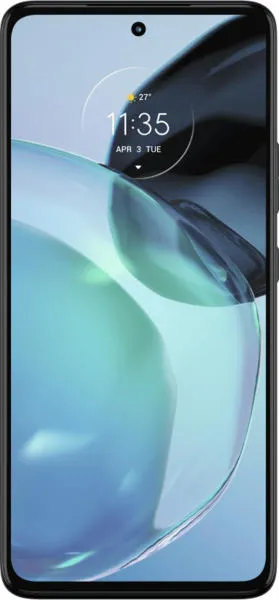
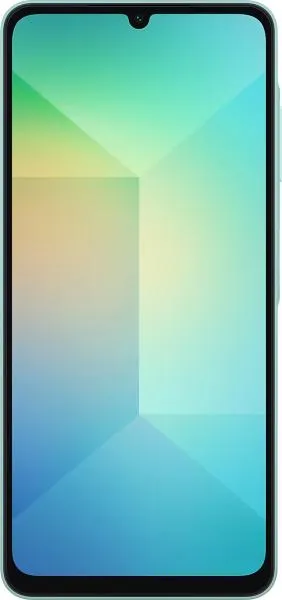
Motorola Moto G72 vs. Samsung Galaxy A06: A Detailed Comparison
Let's dive into a comprehensive comparison of the Motorola Moto G72 and the Samsung Galaxy A06, dissecting their specifications and uncovering what they truly offer in real-world usage.
1. Specifications Breakdown
| Feature | Motorola Moto G72 | Samsung Galaxy A06 | Real-World Implications |
|---|---|---|---|
| Design | |||
| Dimensions (mm) | 160.5 x 74.4 x 7.9 | 167.3 x 77.3 x 8.0 | Moto G72 is slightly smaller and thinner. |
| Weight (g) | 166 | 189 | Moto G72 feels noticeably lighter in hand. |
| Display | |||
| Type | P-OLED, 120Hz | PLS LCD | Moto G72 offers deeper blacks, more vibrant colors, and smoother scrolling thanks to the higher refresh rate. A06 has a standard 60Hz refresh rate. |
| Size | 6.6" | 6.7" | A06 has a marginally larger screen. |
| Resolution | 1080 x 2400 | 720 x 1600 | Moto G72 boasts significantly sharper visuals (402 ppi vs 262 ppi). |
| Performance | |||
| Chipset | Helio G99 (6nm) | Helio G85 (12nm) | Moto G72's more modern and efficient chipset will likely deliver better performance and potentially improved battery life. |
| CPU | Octa-core (2x2.2 GHz A76 & 6x2.0 GHz A55) | Octa-core (2x2.0 GHz A75 & 6x1.8 GHz A55) | Moto G72's CPU configuration suggests a performance advantage in demanding tasks. |
| RAM | 6/8GB | 4/6GB | More RAM in certain Moto G72 variants allows for smoother multitasking. |
| OS | Android 12 | Android 14 | A06 ships with a newer Android version out of the box, offering potential feature advantages. However, Moto G72 may receive updates to a newer version. |
| Camera | |||
| Rear Camera | 108MP + 8MP + 2MP | 50MP + 2MP | Moto G72 has a higher resolution primary sensor and an ultrawide lens, suggesting better versatility and potentially improved low-light performance. |
| Front Camera | 16MP | 8MP | Moto G72 has a significantly higher resolution front camera. |
| Battery Life | |||
| Capacity | 5000 mAh | 5000 mAh | Both phones have the same battery capacity, but the G72's more efficient processor may result in longer usage times. |
2. Key Insights
- Display Quality: The Moto G72's OLED display with a 120Hz refresh rate is a clear winner. It delivers a significantly superior visual experience with vibrant colors, smooth scrolling, and deep blacks.
- Performance: The Moto G72's Helio G99 chipset provides a noticeable performance edge over the A06's Helio G85, making it more suitable for demanding tasks and gaming.
- Camera: The Moto G72's 108MP main camera and inclusion of an ultrawide lens offer more versatility and potentially better image quality compared to the A06's dual-camera setup.
- Software: While the Galaxy A06 launches with a newer Android version, Motorola has a decent track record of software updates. The G72 might eventually catch up, and the cleaner Motorola software experience might be preferred by some.
- Price: The Galaxy A06 is positioned in the "low price" segment, making it more budget-friendly. The Moto G72 sits in the "medium price" range, reflecting its superior features.
3. User Profiles and Recommendations
- Moto G72: Ideal for users who prioritize a smooth and visually engaging experience, enjoy mobile gaming, and appreciate a versatile camera system.
- Samsung Galaxy A06: Best suited for budget-conscious users who primarily use their phones for basic tasks like calling, texting, social media browsing, and light photography. Users who value the latest Android version out of the box may also prefer the A06.
4. Buying Decision Framework
- What is your budget? If price is a major constraint, the Galaxy A06 is the more affordable option.
- How important is display quality and performance? If you value a smooth, vibrant display and responsive performance, the Moto G72 is the clear winner.
- What are your primary phone usage patterns? For demanding tasks, gaming, and photography, the Moto G72 is better equipped. For basic communication and light usage, the A06 suffices.
My Choice: I would choose the Motorola Moto G72. While the Samsung Galaxy A06 is a decent budget option, the Moto G72's superior display, performance, and camera system are compelling. The difference in user experience, especially in terms of visual fluidity and responsiveness, would be significant in everyday use. The slightly higher price of the G72 is justified by the notable upgrades in key areas that impact daily interaction with the device. I value a smooth, responsive experience, and the G72's 120Hz OLED display and more powerful processor deliver precisely that.
