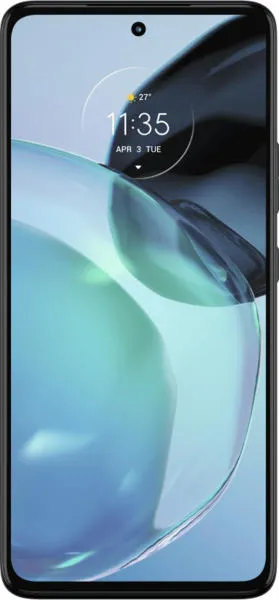
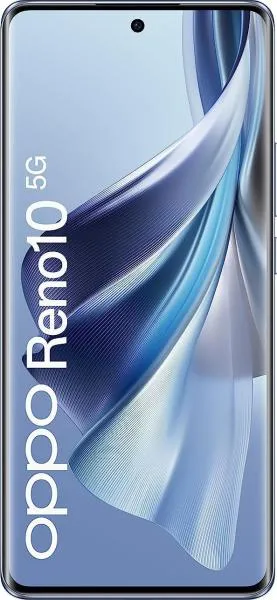
Let's dive into a comparative analysis of the Motorola Moto G72 and the Oppo Reno10, dissecting their technical specifications and translating them into real-world implications for users like you.
1. Specifications Breakdown
| Feature | Motorola Moto G72 | Oppo Reno10 | Real-World Implications |
|---|---|---|---|
| Design | |||
| Dimensions (mm) | 160.5 x 74.4 x 7.9 | 162.4 x 74.2 x 8.0 | Reno10 slightly taller and heavier; negligible difference in hand. |
| Weight (g) | 166 | 185 | G72 noticeably lighter, reducing hand fatigue during extended use. |
| Display | |||
| Type | P-OLED | AMOLED | Reno10 boasts richer blacks, potentially better power efficiency, and higher peak brightness. G72 may have slight color accuracy advantage due to P-OLED nature. |
| Size | 6.6" | 6.7" | Reno10 offers a marginally larger screen. |
| Resolution | 1080 x 2400 | 1080 x 2412 | Virtually identical sharpness; imperceptible difference in daily use. |
| Refresh Rate | 120Hz | 120Hz | Both offer smooth scrolling and responsive gaming experiences. |
| HDR | No | HDR10+ | Reno10 supports HDR content for a wider dynamic range and more vibrant visuals in compatible media. |
| Performance | |||
| Chipset | Helio G99 | Dimensity 7050 | Reno10's Dimensity 7050 generally offers superior CPU performance, translating to faster app loading and multitasking. |
| CPU | 2x2.2 GHz A76, 6x2.0 GHz A55 | 2x2.6 GHz A78, 6x2.0 GHz A55 | Reno10's faster, more powerful cores provide a noticeable performance advantage in demanding tasks. |
| GPU | Mali-G57 MC2 | Mali-G68 MC4 | Reno10's GPU likely offers better gaming performance. |
| RAM | 6/8GB | 8GB | Both offer sufficient RAM for most users; 8GB provides more headroom for multitasking. |
| Camera | |||
| Main Camera | 108MP | 64MP | G72 has higher resolution, Reno10 uses a larger sensor (OmniVision OV64B) generally found in higher-end phones, potentially offering better low-light performance and dynamic range. |
| Ultrawide | 8MP | 8MP | Comparable ultrawide capabilities. |
| Telephoto | None | 32MP 2x Optical Zoom | Reno10 offers a dedicated telephoto lens for lossless zoom, a significant advantage. |
| Selfie | 16MP | 32MP | Reno10 boasts a higher resolution selfie camera. |
| Video | 1080p@60fps | 4K@30fps | Reno10 capable of higher resolution video recording. |
| Battery Life | |||
| Capacity | 5000mAh | 5000mAh | Comparable battery capacities. Real-world battery life will depend on usage patterns and software optimization. Reno10's AMOLED and potentially more efficient chipset could lead to longer battery life. |
2. Key Insights
- Performance: The Reno10 packs a more powerful Dimensity 7050 chipset, delivering a smoother experience for demanding tasks and gaming. The G72's Helio G99 is no slouch but falls short in raw processing power.
- Camera: While the G72 boasts a 108MP main sensor, the Reno10's camera system is more versatile thanks to its dedicated 2x telephoto lens and superior main sensor. The Reno10 also offers 4K video recording.
- Display: The Reno10's AMOLED display offers richer colors and deeper blacks, and supports HDR10+ for enhanced viewing. Though the G72's P-OLED is capable, it lacks HDR support.
3. User Profiles and Recommendations
- Moto G72: Ideal for budget-conscious users prioritizing a lightweight phone with a good display and solid battery life. Suitable for everyday tasks, social media, and casual gaming.
- Oppo Reno10: Best suited for users who value performance, a versatile camera system with telephoto capabilities, and a vibrant display with HDR support. Excellent for mobile photography, content consumption, and more demanding applications.
4. Buying Decision Framework
- What is your budget? The G72 generally comes at a lower price point.
- What are your photography needs? The Reno10's telephoto lens and overall camera versatility are major advantages.
- How important is raw performance? The Reno10 significantly outperforms the G72 in processing power.
My Choice: Oppo Reno10
While the Moto G72 is a respectable contender, I would choose the Oppo Reno10. The superior performance offered by the Dimensity 7050, combined with the more versatile camera system including a telephoto lens and the vibrant AMOLED display with HDR10+ support, makes it a more compelling package. While slightly heavier and potentially more expensive, the Reno10 provides a more future-proof and enjoyable user experience in my opinion. The performance difference, coupled with the significantly better camera versatility and quality, outweighs the price difference and slight weight increase for me.
