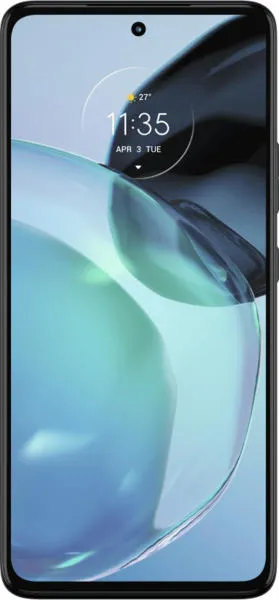
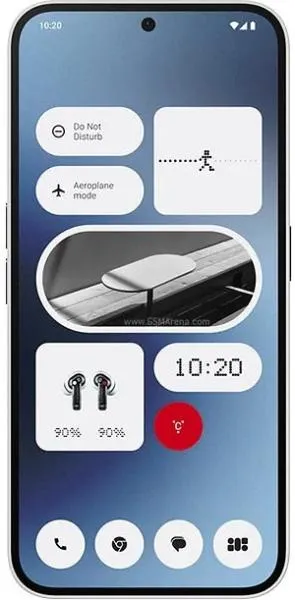
Motorola Moto G72 vs. Nothing Phone (2a): A Deep Dive
Let's dissect the Motorola Moto G72 and the Nothing Phone (2a), translating their specs into real-world experiences to help you choose the right phone.
1. Specifications Breakdown
| Feature | Motorola Moto G72 | Nothing Phone (2a) | Real-World Implications |
|---|---|---|---|
| Design | |||
| Dimensions (mm) | 160.5 x 74.4 x 7.9 | 161.7 x 76.3 x 8.6 | Nothing Phone (2a) is slightly larger and heavier. |
| Weight (g) | 166 | 190 | Moto G72 feels noticeably lighter in hand, reducing fatigue during extended use. |
| Display | |||
| Type | P-OLED | AMOLED | Both offer vibrant colors and deep blacks; AMOLED generally boasts slightly better contrast. |
| Size | 6.6" | 6.7" | Negligible difference in screen real estate. |
| Resolution | 1080 x 2400 | 1080 x 2412 | Virtually identical sharpness; both are crisp and detailed for everyday use. |
| Refresh Rate | 120Hz | 120Hz | Both provide smooth scrolling and animations, enhancing the overall feel of responsiveness. |
| HDR | No | HDR10+ | Nothing Phone (2a) supports HDR content for a wider dynamic range and richer visuals in compatible media. |
| Performance | |||
| Chipset | Helio G99 (6nm) | Dimensity 7200 Pro (4nm) | Nothing Phone (2a)'s more advanced processor promises significantly better performance and efficiency. |
| CPU | Octa-core (2x2.2 GHz A76 & 6x2.0 GHz A55) | Octa-core (2x2.8 GHz A715 & 6x2.0 GHz A510) | Nothing Phone (2a) will handle demanding tasks and multitasking with greater ease. |
| GPU | Mali-G57 MC2 | Mali-G610 MC4 | Noticeably faster graphics performance on the Nothing Phone (2a), benefiting gaming and visual applications. |
| RAM | 6/8GB | 8/12GB | More RAM on the Nothing Phone (2a) enables smoother multitasking and app switching, especially the 12GB version. |
| Camera | |||
| Main Camera | 108MP | 50MP (Samsung GN9) | Moto G72 boasts higher resolution; Nothing Phone (2a) uses a larger, more advanced sensor known for excellent image quality. |
| Video | 1080p@60fps | 4K@30fps | Nothing Phone (2a) can record higher resolution video. |
| Battery Life | |||
| Capacity | 5000mAh | 5000mAh | Similar battery capacities; real-world battery life depends on usage and optimization. |
2. Key Insights
- Performance: The Nothing Phone (2a) is the clear winner with its significantly more powerful Dimensity 7200 Pro processor, faster GPU, and more RAM. This translates to smoother performance in demanding games, apps, and multitasking.
- Camera: While the Moto G72 has a higher resolution main sensor, the Nothing Phone (2a) utilizes a larger sensor size and advanced features, potentially resulting in better overall image quality, especially in low light. The Nothing Phone (2a) also offers superior video recording capabilities.
- Display: Both phones feature 120Hz refresh rate displays, but the Nothing Phone (2a)'s AMOLED panel with HDR10+ support provides a slight edge in visual quality.
- Software: The Nothing Phone (2a) ships with a newer version of Android (14) and has a longer promised update cycle, ensuring it remains secure and feature-rich for a longer period. The cleaner Android implementation from Nothing compared to Motorola's more heavy-handed approach will appeal to some.
3. User Profiles and Recommendations
- Moto G72: Best for budget-conscious users who prioritize a lightweight phone for everyday tasks like browsing, social media, and casual photography.
- Nothing Phone (2a): Ideal for users who demand strong performance for gaming, content creation, and multitasking. The superior camera and display are also significant advantages for those who value multimedia experiences.
4. Buying Decision Framework
- What is your budget? The Moto G72 is generally more affordable.
- What are your primary use cases? For basic tasks, the Moto G72 suffices. For demanding applications, the Nothing Phone (2a) is a better choice.
- How important are software updates and long-term support? The Nothing Phone (2a) promises more in this area.
My Choice: Nothing Phone (2a)
If I were choosing between these two, I'd go for the Nothing Phone (2a). The superior performance, camera quality, display with HDR10+, and longer software support outweigh the price difference for me. As a tech enthusiast, I appreciate the smoother user experience and future-proofing offered by the Nothing Phone (2a), even if it means a slightly higher initial investment. The Moto G72 is a solid budget option, but the Nothing Phone (2a) offers a more compelling package overall.
