Motorola Moto G72 vs. Huawei Mate X3: A Detailed Comparison
Let's dive into a head-to-head comparison of the Motorola Moto G72 and the Huawei Mate X3, two phones occupying distinct segments of the smartphone market. We'll dissect their specs, analyze their real-world implications, and help you determine which device best aligns with your needs.
1. Specifications Breakdown
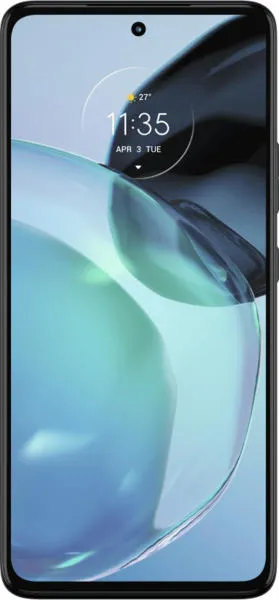
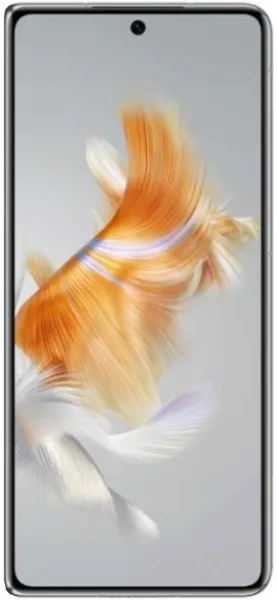
| Feature | Motorola Moto G72 | Huawei Mate X3 | Real-World Implications |
|---|---|---|---|
| Design | |||
| Dimensions (mm) | 160.5 x 74.4 x 7.9 | 156.9 x 141.5 x 5.3(Unfolded) | Mate X3 significantly more compact when folded, Moto G72 thinner overall. |
| Weight (g) | 166 | 239 | Mate X3 heavier due to folding mechanism and larger display, Moto G72 easier for one-handed use. |
| Foldable | No | Yes | Mate X3 offers a larger screen real estate and tablet-like experience. |
| Display | |||
| Type | P-OLED | Foldable OLED | Mate X3's foldable display offers versatility; Moto G72's P-OLED delivers vibrant colors. |
| Size (inches) | 6.6 | 7.85 (Unfolded) | Mate X3 provides a significantly larger viewing area when unfolded. |
| Resolution (px) | 1080 x 2400 | 2224 x 2496 | Mate X3 boasts sharper visuals due to higher resolution. |
| Refresh Rate (Hz) | 120 | 120 | Both offer smooth scrolling and animations. |
| Performance | |||
| Chipset | Helio G99 (6nm) | Snapdragon 8+ Gen 1 (4nm) | Mate X3 offers significantly faster processing speeds and improved graphics performance. |
| CPU | Octa-core | Octa-core | Mate X3's CPU architecture is more powerful, handling demanding tasks with ease. |
| RAM (GB) | 6/8 | 8/12 | Mate X3 configurations offer more RAM, enabling smoother multitasking. |
| Camera | |||
| Main Camera (MP) | 108 | 50 | Moto G72 has higher megapixel count, but Mate X3 utilizes a larger sensor (Sony IMX766) potentially offering better low-light performance. |
| Zoom | Digital | 5x Optical, 20x Hybrid | Mate X3 provides superior zoom capabilities. |
| Battery Life | |||
| Capacity (mAh) | 5000 | 4800 | Moto G72 has slightly larger battery capacity, but real-world usage will depend on usage patterns, especially with Mate X3's larger display. |
2. Key Insights
- Performance: The Mate X3, powered by the Snapdragon 8+ Gen 1, is a performance powerhouse compared to the Moto G72's Helio G99. This translates to a noticeably smoother experience in demanding tasks, gaming, and multitasking.
- Display: The Mate X3's foldable OLED display is the star of the show. Its larger size and unique form factor provide a tablet-like experience for productivity and media consumption. While the Moto G72 offers a respectable P-OLED, it can't match the Mate X3's versatility.
- Camera: While the Moto G72 boasts a higher megapixel count on its main camera, the Mate X3 likely has the edge in overall image quality due to its larger Sony IMX766 sensor and superior optics, including Leica Lens and optical image stabilization. The Mate X3's advanced zoom capabilities further differentiate it.
- Price: The Moto G72 is a mid-range device offering excellent value, while the Mate X3 sits firmly in the premium segment, commanding a significantly higher price.
3. User Profiles and Recommendations
- Moto G72: Ideal for budget-conscious users seeking a reliable device with a vibrant display and long battery life. Suitable for everyday tasks, social media, and casual gaming.
- Mate X3: Perfect for power users and early adopters who prioritize cutting-edge technology, a large foldable display, top-tier performance, and advanced camera features. Ideal for multitasking, productivity on the go, and immersive media consumption.
4. Buying Decision Framework
- What is your budget? The Moto G72 is significantly more affordable.
- Do you prioritize performance and a foldable screen? If yes, the Mate X3 is the clear winner.
- What are your primary use cases? For everyday tasks, the Moto G72 suffices; for demanding workloads and multimedia consumption, the Mate X3 excels.
My Choice: While I admire the Moto G72's value proposition, I would choose the Huawei Mate X3. The foldable form factor is genuinely innovative, offering a level of versatility unmatched by traditional smartphones. The powerful Snapdragon 8+ Gen 1 processor, coupled with the expansive display, opens up exciting possibilities for productivity and entertainment. While the price is premium, the Mate X3 delivers a unique and compelling user experience that justifies the investment for me. The superior camera system and build quality further solidify its position as a top-tier flagship device.
