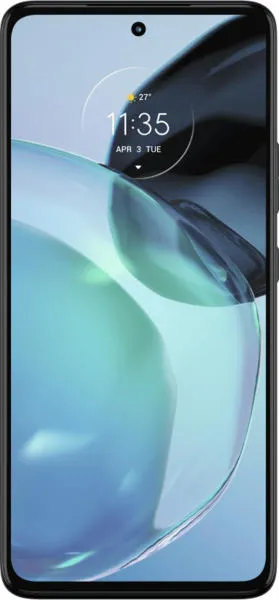
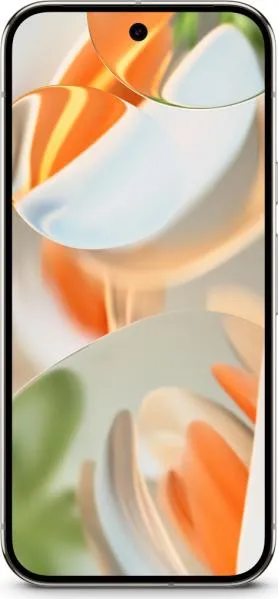
Let's dive into a comparative analysis of the Motorola Moto G72 and the Google Pixel 9 Pro, dissecting their technical specifications and translating them into real-world implications for you.
1. Specifications Breakdown
| Feature | Motorola Moto G72 | Google Pixel 9 Pro | Real-World Implications | |
|---|---|---|---|---|
| Design | ||||
| Dimensions (mm) | 160.5 x 74.4 x 7.9 | 152.8 x 72 x 8.5 | Pixel 9 Pro is slightly shorter, narrower, and thicker. Moto G72 is lighter (166g vs 199g). Portability differences are negligible for most users. | |
| Weight (g) | 166 | 199 | Moto G72 offers a noticeable weight advantage for extended single-hand use. | |
| Display | ||||
| Display Type | P-OLED, 120Hz | LTPO OLED, 120Hz | Both offer smooth scrolling and animations. Pixel 9 Pro's LTPO allows for dynamic refresh rate adjustment, potentially saving battery. | |
| Resolution | 1080 x 2400 | 1280 x 2856 | Pixel 9 Pro boasts sharper visuals due to higher pixel density (495 ppi vs 402 ppi). | |
| Peak Brightness | N/A | 3000 nits (peak) | Pixel 9 Pro should offer superior outdoor visibility in direct sunlight. Missing Moto G72 data prevents full comparison. | |
| Performance | ||||
| Chipset | Helio G99 (6nm) | Tensor G4 (4nm) | Pixel 9 Pro's Tensor G4, built on a more advanced process, promises significantly faster performance and AI capabilities. | |
| CPU | Octa-core | Octa-core | Pixel 9 Pro's CPU architecture (Cortex-X4, A720, A520) is newer and more powerful than Moto G72's (Cortex-A76, A55). | |
| RAM | 6/8GB | 16GB | Pixel 9 Pro's vastly larger RAM enables superior multitasking and smoother performance with demanding apps. | |
| Camera | ||||
| Main Camera | 108MP | 50MP | Moto G72 has a higher megapixel count, but Pixel 9 Pro's larger sensor (1/1.3") and advanced image processing likely deliver better overall quality. | |
| Video | 1080p@60fps | 8K@30fps | Pixel 9 Pro offers significantly higher video resolution and more advanced features like OIS and EIS for smoother, more stable footage. | |
| Battery Life | ||||
| Capacity | 5000 mAh | 4700 mAh | Moto G72 has a slightly larger battery. Real-world battery life depends on usage and optimization; Pixel's LTPO display could offset this difference. |
2. Key Insights
- Performance: The Pixel 9 Pro significantly outperforms the Moto G72 thanks to its cutting-edge Tensor G4 chip, ample RAM, and superior GPU. This translates to smoother multitasking, faster app loading, and a more responsive overall experience.
- Camera: While the Moto G72 boasts a 108MP main sensor, the Pixel 9 Pro's advanced computational photography, larger sensor size, and superior video capabilities likely result in better image and video quality overall.
- Display: Both phones offer excellent displays with 120Hz refresh rates. However, the Pixel 9 Pro's LTPO panel enables dynamic refresh rate adjustment for power saving and its higher resolution delivers sharper visuals. Its superior peak brightness is also a significant advantage.
- Battery: The Moto G72 has a slight edge in battery capacity, but the Pixel 9 Pro's more efficient processor and LTPO display could potentially level the playing field in real-world usage.
3. User Profiles and Recommendations
- Moto G72: Best suited for budget-conscious users who prioritize a smooth display, long battery life, and decent overall performance for everyday tasks like social media, web browsing, and light gaming. It's a solid value proposition for its price range.
- Pixel 9 Pro: Ideal for power users, photographers, and videographers who demand top-tier performance, the best camera system, and a premium user experience. The Pixel excels in demanding tasks, content creation, and showcases Google's software prowess.
4. Buying Decision Framework
- What is your budget? The Moto G72 is significantly more affordable, while the Pixel 9 Pro commands a premium price.
- What are your performance needs? For demanding tasks and gaming, the Pixel 9 Pro is the clear winner. For everyday use, the Moto G72 is sufficient.
- How important is camera quality? The Pixel 9 Pro is likely to deliver a superior camera experience overall, particularly in challenging lighting conditions and video recording.
My Choice
I would choose the Google Pixel 9 Pro. While the Moto G72 offers excellent value, I prioritize performance, a fluid user experience, and cutting-edge camera technology. The Pixel 9 Pro's Tensor G4 chip, ample RAM, and Google's renowned computational photography make it the clear winner for my needs. I'm willing to invest in the premium experience and future-proofing offered by the Pixel's superior hardware and guaranteed software updates. While battery life is a consideration, I'm confident that the Pixel's optimizations and LTPO display will deliver acceptable all-day usage.
