Motorola Moto G72 vs. Google Pixel 8a: A Detailed Comparison
Let's dive into a head-to-head comparison of the Motorola Moto G72 and the Google Pixel 8a, dissecting their specs and uncovering what they truly offer in real-world usage.
1. Specifications Breakdown
| Feature | Motorola Moto G72 | Google Pixel 8a | Real-World Implications |
|---|---|---|---|
| Design | |||
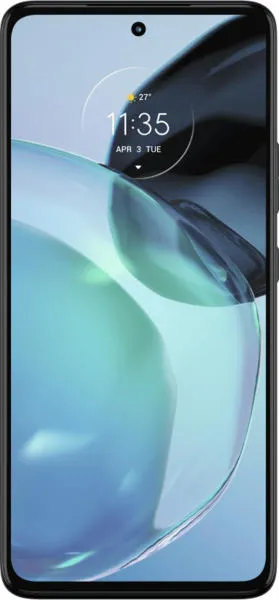
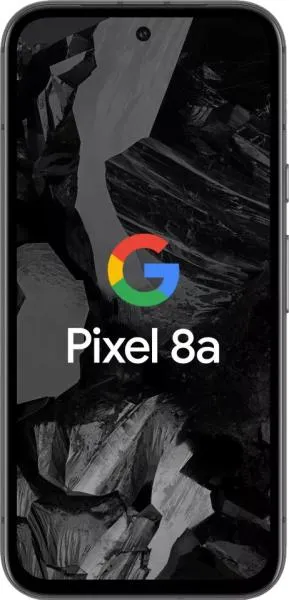
| Dimensions (mm) | 160.5 x 74.4 x 7.9 | 152.1 x 72.7 x 8.9 | Pixel 8a is slightly smaller and thicker. G72 might feel lighter in hand. |
| Weight (g) | 166 | 188 | Pixel 8a is noticeably heavier. |
| Display | |||
| Type | P-OLED | OLED | Both offer vibrant colors and deep blacks, but Pixel 8a's OLED might have slightly better contrast. |
| Size | 6.6" | 6.1" | G72 offers a larger screen for media consumption; Pixel 8a is more pocketable. |
| Resolution | 1080 x 2400 | 1080 x 2400 | Identical sharpness despite size difference; Pixel 8a has slightly higher pixel density. |
| Refresh Rate | 120Hz | 120Hz | Both offer smooth scrolling and animations. |
| Performance | |||
| Chipset | Helio G99 (6nm) | Tensor G3 (4nm) | Pixel 8a boasts significantly more powerful CPU and GPU for demanding tasks and gaming. |
| CPU | Octa-core | Nona-core | Pixel 8a's advanced CPU architecture offers superior performance and efficiency. |
| RAM | 6/8GB | 8GB | Pixel 8a's consistent 8GB RAM provides smoother multitasking. |
| OS | Android 12 | Android 14 | Pixel 8a benefits from newer features, security updates, and longer software support. |
| Camera | |||
| Main Camera | 108MP | 64MP | Pixel 8a likely produces better image quality due to superior processing despite lower resolution. |
| Ultrawide | 8MP | 13MP | Pixel 8a's ultrawide likely offers wider field of view and better detail. |
| Selfie Camera | 16MP | 13MP | G72 has higher resolution, but Pixel 8a's processing likely delivers better selfie quality. |
| Video | 1080p@60fps | 4K@60fps | Pixel 8a offers significantly higher resolution video recording capabilities. |
| Battery Life | |||
| Capacity | 5000mAh | 4492mAh | G72 has a larger battery, suggesting longer potential battery life. Real-world use will vary. |
2. Key Insights
- Performance: The Pixel 8a's Tensor G3 chip is a clear winner, delivering a significantly faster and more responsive experience, especially noticeable in demanding apps and games.
- Camera: While the G72 boasts a higher megapixel count on its main camera, the Pixel 8a's computational photography prowess driven by the Tensor G3 likely results in superior image quality, especially in challenging lighting conditions. Pixel 8a also offers significantly better video recording.
- Software: Pixel 8a, being a Google phone, enjoys the latest Android version, faster updates, and a cleaner software experience with guaranteed long-term support.
- Display: Both phones offer excellent displays with a 120Hz refresh rate. The G72 provides more screen real estate, while the Pixel 8a offers potentially slightly better contrast thanks to its OLED technology.
- Battery: The G72's larger battery likely translates to longer usage time, but the Pixel 8a's more efficient processor could offset this difference. Real-world battery life will depend on individual usage patterns.
3. User Profiles and Recommendations
- Moto G72: Best suited for budget-conscious users who prioritize a large display for media consumption and long battery life. Casual users who primarily use their phones for social media, browsing, and light gaming will find the G72 adequate.
- Pixel 8a: Ideal for users who value performance, camera quality, and a clean software experience with timely updates. Mobile photographers and videographers, gamers, and power users will appreciate the Pixel 8a's capabilities.
4. Buying Decision Framework
- What is your budget? The G72 is generally more affordable.
- What are your primary phone usage patterns? Casual use vs. demanding tasks/gaming.
- How important are camera quality and software updates to you? Pixel 8a excels in these areas.
My Choice: Google Pixel 8a
While the Moto G72 is a respectable contender in its price range, the Pixel 8a is the clear winner for me. The superior performance of the Tensor G3 chip, combined with the excellent camera system, clean software experience with guaranteed updates, and future-proof 5G connectivity, makes it a more compelling device overall. I prioritize a smooth and responsive user experience, high-quality photos and videos, and the assurance of long-term software support, and the Pixel 8a delivers on all fronts. The slightly higher price is a worthwhile investment for the significant jump in performance and capabilities. The compact form factor of the Pixel 8a is also more appealing to me than the larger G72.
