Motorola Moto G72 vs. Google Pixel 8: A Deep Dive for the Discerning Smartphone User
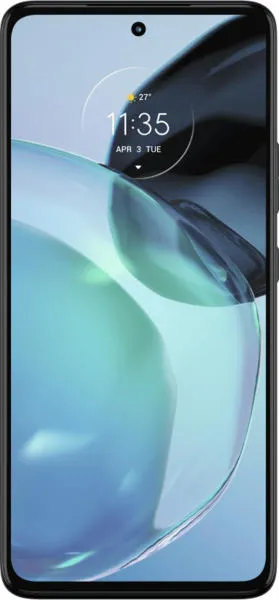
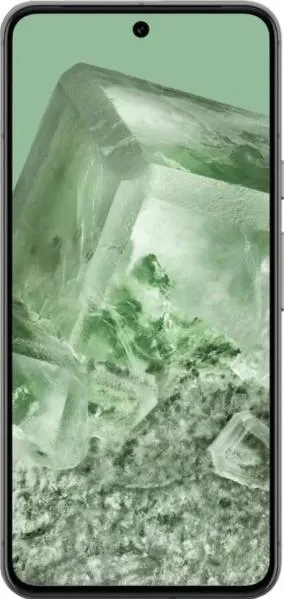
Let's cut through the marketing jargon and get down to brass tacks. We're pitting the Motorola Moto G72 against the Google Pixel 8, two phones vying for your attention (and wallet) in the mid-range smartphone arena. As a tech journalist with an engineering background, I'll break down the specs, analyze their real-world impact, and help you decide which phone is right for you.
1. Specifications Breakdown
| Feature | Motorola Moto G72 | Google Pixel 8 | Real-World Implications |
|---|---|---|---|
| Design | |||
| Dimensions (mm) | 160.5 x 74.4 x 7.9 | 150.5 x 70.8 x 8.9 | Pixel 8 is noticeably smaller and slightly thicker. Moto G72 might feel taller in hand. |
| Weight (g) | 166 | 187 | Pixel 8 is heavier, potentially impacting one-handed use. |
| Display | |||
| Type | P-OLED | OLED | Both offer vibrant colors and deep blacks. OLED generally offers slightly better power efficiency. |
| Size (inches) | 6.6 | 6.2 | Moto G72 provides a larger screen for media consumption; Pixel 8 offers a more compact form factor. |
| Resolution (px) | 1080 x 2400 | 1080 x 2400 | Identical resolution, but Pixel 8 has a higher pixel density (428 vs 402 PPI) due to the smaller screen, resulting in slightly sharper text. |
| Refresh Rate (Hz) | 120 | 120 | Both offer smooth scrolling and animations. |
| Performance | |||
| Chipset | Helio G99 (6nm) | Tensor G3 (4nm) | Tensor G3 significantly outperforms Helio G99 in processing power and AI capabilities, enabling faster performance and advanced features. |
| CPU | Octa-core | Nona-core | Tensor G3's more powerful and modern architecture delivers superior multi-tasking and demanding application performance. |
| RAM (GB) | 6/8 | 8 | Pixel 8's 8GB RAM ensures smoother multitasking and better handling of demanding apps. Moto G72's 6GB option might show limitations. |
| OS | Android 12 | Android 14 | Pixel 8 benefits from the latest Android version with newer features, performance optimizations, and longer security updates. |
| Camera | |||
| Main Camera (MP) | 108 | 50 | Pixel 8, despite lower resolution, likely produces better image quality due to Google's superior image processing and larger sensor. |
| Video | 1080p@60fps | 4K@60fps | Pixel 8 offers significantly better video recording capabilities with higher resolution and frame rates. |
| Battery Life | |||
| Capacity (mAh) | 5000 | 4575 | Moto G72 boasts a larger battery, potentially offering longer battery life. However, real-world usage depends on optimization and usage habits. |
2. Key Insights
- Performance: The Pixel 8's Tensor G3 chip is a clear winner, offering significantly better performance and AI capabilities compared to the Moto G72's Helio G99. This translates to faster app loading, smoother multitasking, and a more responsive overall experience.
- Camera: While the Moto G72 boasts a higher megapixel count, the Pixel 8's camera system is likely superior due to Google's renowned computational photography prowess. Expect better image quality, especially in challenging lighting conditions, and superior video recording capabilities from the Pixel 8.
- Software and Updates: Pixel 8 runs the latest Android 14 and will receive guaranteed updates for longer, ensuring a more secure and feature-rich experience in the long run. Moto G72's Android 12 may not receive updates for as long.
- Battery Life: The Moto G72's larger battery might seem advantageous, but the Tensor G3's efficiency could potentially level the playing field in real-world usage.
3. User Profiles and Recommendations
- Moto G72: Best suited for budget-conscious users who prioritize a large display for media consumption and casual gaming. It's a decent all-around performer for everyday tasks but lacks the Pixel 8's advanced capabilities.
- Pixel 8: Ideal for users who value a smooth, responsive experience, top-notch camera performance, and the latest software features. It's a more powerful and future-proof device, albeit at a higher price.
4. Buying Decision Framework
- What's your budget? The Moto G72 offers decent value for its price, while the Pixel 8 commands a premium.
- What are your performance needs? If you need a phone for demanding tasks, gaming, or intensive multitasking, the Pixel 8 is the clear winner.
- How important is camera quality? The Pixel 8 excels in photography and videography, making it the better choice for capturing memories.
My Choice: Google Pixel 8
While the Moto G72 offers a tempting price and larger battery, the Pixel 8's superior performance, camera, and software experience are decisive factors for me. The Tensor G3 chip future-proofs the phone, ensuring smooth performance for years to come. Google's commitment to software updates provides peace of mind and access to the latest features. As someone who values a responsive and capable device, the Pixel 8 aligns better with my needs. The price difference is justified by the significant jump in overall quality and long-term value.
