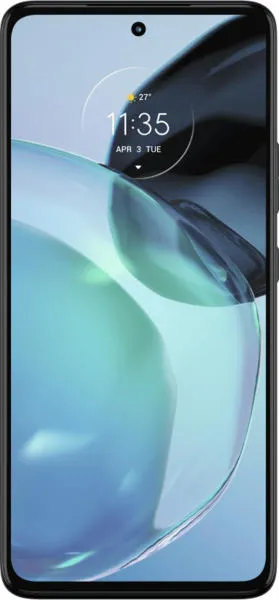
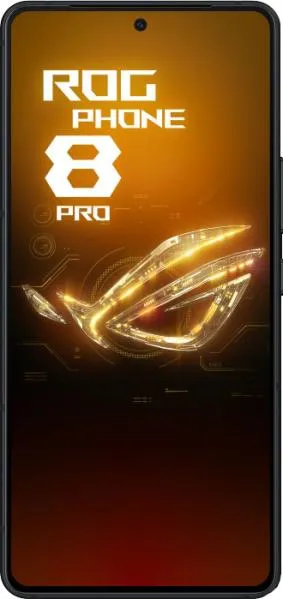
Let's dive into a comparative analysis of the Motorola Moto G72 and the Asus ROG Phone 8 Pro, dissecting their technical specifications and translating them into real-world implications for you.
1. Specifications Breakdown
| Feature | Motorola Moto G72 | Asus ROG Phone 8 Pro | Real-World Implications |
|---|---|---|---|
| Design | |||
| Dimensions (mm) | 160.5 x 74.4 x 7.9 | 163.8 x 76.8 x 8.9 | ROG Phone 8 Pro is larger and heavier, impacting one-handed use. |
| Weight (g) | 166 | 225 | Noticeable weight difference; Moto G72 is more pocketable. |
| Display | |||
| Type | P-OLED | LTPO AMOLED | ROG Phone 8 Pro offers superior power efficiency and potentially better outdoor visibility due to LTPO. |
| Size (inches) | 6.6 | 6.78 | ROG Phone 8 Pro has a slightly larger screen. |
| Refresh Rate (Hz) | 120 | 165 | ROG Phone 8 Pro provides smoother animations and scrolling, especially beneficial for gaming. |
| Resolution | 1080 x 2400 | 1080 x 2400 | Comparable sharpness despite the slight size difference. |
| Performance | |||
| Chipset | Helio G99 | Snapdragon 8 Gen 3 | Significant performance gap; ROG Phone 8 Pro offers flagship-level processing power for demanding tasks and gaming. |
| CPU | Octa-core (2.2 GHz) | Octa-core (3.3 GHz) | ROG Phone 8 Pro boasts much higher clock speeds, translating to faster app loading, multitasking, and overall responsiveness. |
| RAM (GB) | 6/8 | 16/24 | Massively more RAM in the ROG Phone 8 Pro allows for seamless multitasking and keeping numerous apps open in the background. |
| Storage (GB) | 128/256 | 512/1024 | ROG Phone 8 Pro provides significantly more storage for apps, media, and files. |
| Camera | |||
| Main Camera (MP) | 108 | 50 | While Moto G72 has higher megapixels, ROG Phone 8 Pro utilizes a larger sensor (Sony IMX890), potentially capturing better images. |
| Video | 1080p@60fps | 8K@24fps | ROG Phone 8 Pro capable of much higher resolution video recording. |
| Battery Life | |||
| Capacity (mAh) | 5000 | 6000 | Larger battery in the ROG Phone 8 Pro suggests longer usage time. |
2. Key Insights
The Moto G72 is a solid mid-range phone prioritizing affordability and a smooth display. Its strengths lie in its lightweight design, vibrant P-OLED screen with a 120Hz refresh rate, and capable camera system for everyday photography.
The ROG Phone 8 Pro, on the other hand, is a gaming powerhouse designed for peak performance. It boasts a cutting-edge Snapdragon 8 Gen 3 processor, ample RAM, a stunning 165Hz LTPO AMOLED display, and a more versatile camera system with advanced features. The inclusion of a side-mounted USB-C port for uninterrupted charging while gaming underscores its gaming focus.
3. User Profiles and Recommendations
Moto G72: Ideal for budget-conscious users, casual gamers, and those prioritizing a lightweight and comfortable phone for everyday use.
ROG Phone 8 Pro: Perfect for hardcore mobile gamers, power users, and anyone demanding top-tier performance and the latest technology. Content creators will also appreciate the 8K video recording capabilities.
4. Buying Decision Framework
- What is your budget? The Moto G72 offers excellent value in the mid-range segment, while the ROG Phone 8 Pro commands a flagship price.
- What are your primary use cases? For everyday tasks, social media, and casual gaming, the Moto G72 suffices. For demanding gaming, content creation, and heavy multitasking, the ROG Phone 8 Pro is the clear winner.
- Do you prioritize portability? The Moto G72's lighter and smaller form factor makes it more pocketable.
My Choice: Asus ROG Phone 8 Pro
While the Moto G72 is a commendable mid-ranger, I would choose the Asus ROG Phone 8 Pro. As a tech journalist focused on the cutting edge, the sheer performance potential of the Snapdragon 8 Gen 3 combined with the 165Hz LTPO AMOLED display is incredibly appealing. The future-proofing offered by WiFi 7 and the expansive RAM and storage ensure the device will remain relevant for years to come. Although it comes at a premium price, the ROG Phone 8 Pro offers a compelling package for anyone who demands the absolute best in mobile technology. The ability to push the hardware to its limits, experience the smoothest possible mobile gaming, and capture high-quality content makes it the clear winner for my needs.
