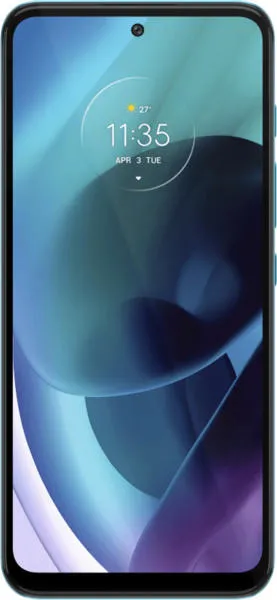
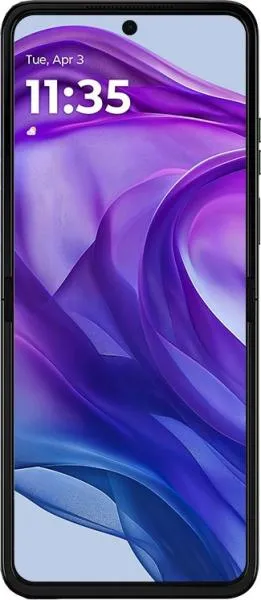
Okay, let's dive deep into a head-to-head comparison of the Motorola Moto G71 5G and the Razr 50 Ultra. I'll break down the specs, analyze their real-world impact, and help you figure out which one might be the better fit for you.
1. Specifications Breakdown
Here's a detailed look at the specs, grouped into categories with real-world implications:
| Feature | Motorola Moto G71 5G | Motorola Razr 50 Ultra | Real-World Implications |
|---|---|---|---|
| Design | |||
| Form Factor | Standard | Foldable | Razr 50 Ultra offers a unique, compact design when folded; Moto G71 is a traditional smartphone. |
| Dimensions | 161.2 × 73.9 × 8.5 mm | 171.4 × 74 × 7.1 mm | Razr 50 Ultra is taller but thinner; Moto G71 5G is more compact in overall volume |
| Weight | 179g | 189g | Moto G71 5G is slightly lighter, which might feel better during extended holding, but the difference isn't massive. |
| Display | |||
| Size | 6.4" | 6.9" | Razr 50 Ultra provides a more expansive viewing experience for media consumption and gaming. |
| Resolution | 1080x2400 | 1080x2640 | Razr 50 Ultra is slightly sharper; but both are Full HD, and the difference is minimal. |
| Pixel Density | 411 PPI | 413 PPI | Both offer similarly sharp and detailed visuals. |
| Technology | AMOLED | Not Specified | Moto G71 5G has an AMOLED panel, known for better contrast and color vibrancy; The Razr's display tech is not specified. If it is also an amoled it is most likely of a newer generation |
| Refresh Rate | 60Hz | 165Hz | Razr 50 Ultra provides dramatically smoother scrolling and animations, noticeable for gaming and general usage |
| Brightness | 0 nits | 3000 nits | Razr 50 Ultra offers significantly better visibility outdoors, especially in bright sunlight. |
| Performance | |||
| Chipset | Snapdragon 695 5G (6nm) | Snapdragon 8s Gen 3 (4nm) | Razr 50 Ultra has a dramatically faster processor, resulting in much better overall performance and responsiveness |
| AnTuTu Score | 396,564 | 1,625,000 | The Razr 50 Ultra is much faster in day-to-day tasks and graphics-intensive operations, with over 300% the performance. |
| GPU | Adreno 619 | Adreno 735 | Razr 50 Ultra offers significantly better graphics processing for gaming and media editing. |
| Camera | |||
| Main Camera | 50MP (f/1.8, 1/2.76", 0.64µm) | 50MP (f/1.8, 1/1.96", 0.70µm) | Razr 50 Ultra has a larger sensor with bigger pixels, potentially capturing more light for better low-light performance. |
| Telephoto + Portrait | None | 50MP (f/2.0, 1/2.76", 0.64µm) | Razr 50 Ultra offers optical zoom and portrait capabilities unavailable on the Moto G71 5G. |
| Selfie Camera | 16MP (f/2.2, 1.00µm) | 32MP (f/2.4, 1/3", 0.70µm) | Razr 50 Ultra offers more detailed selfies, but it is to be noted that the moto g71 has a wider aperture. |
| Wide Angle Lens | 8MP (f/2.2, 1.12µm) | None | Moto G71 5G can capture a wider field of view, useful for group shots or landscapes. |
| Macro Lens | 2MP (f/2.4) | None | Moto G71 5G has a dedicated lens for very close-up shots. |
| Video Recording | 1080p@30/60fps | 4K@30/60fps with HDR, EIS, 1080p@30/60/120/240/960fps | Razr 50 Ultra provides superior video quality, offering higher resolutions and frame rates, plus stabilization. |
| Camera Features | PDAF, LAF, HDR | OIS, EIS, 4K Video, Night Vision, Time-lapse | Razr 50 Ultra has enhanced features like optical image stabilization and better low-light modes. |
| Battery Life | |||
| Capacity | 5000mAh | 4000mAh | Moto G71 5G has a larger battery, potentially offering longer battery life. But the processor on the Razr could be more efficient, so this isn't an absolute difference in favor of the G71. |
| Charging | 33W Fast Charging | 45W Fast Charging | Razr 50 Ultra recharges faster. |
| Features | Non-Removable | 15W Wireless, Reverse Charging, Non-Removable | Razr 50 Ultra offers the convenience of wireless and reverse wireless charging. |
| Software | |||
| OS | Android 11 (upgradable to 12) | Android 14 (upgradable to 17) | Razr 50 Ultra comes with newer software and will receive more updates over time. |
| Connectivity | |||
| Wi-Fi | Wi-Fi 5 | Wi-Fi 7, MiMo | Razr 50 Ultra supports the latest Wi-Fi standards for faster speeds. |
| Bluetooth | 5.0 LE | 5.3 LE | Razr 50 Ultra has a newer Bluetooth version for improved connectivity. |
| SIM | Dual Nano SIM | Dual Nano SIM + eSIM | Razr 50 Ultra offers the flexibility of using a digital SIM. |
| Storage | |||
| Internal Storage | 128GB | 256GB / 512GB | Razr 50 Ultra offers more storage space, crucial for photos, videos, and apps. |
| RAM | 6GB / 8GB | 12GB | Razr 50 Ultra provides smoother multitasking and better app performance due to more RAM. |
| Expandable Storage | No | No | Neither phone has the option for expandable storage. |
| Audio | |||
| Audio Features | Dolby Atmos, 2 microphones | Dolby Atmos, Stereo Speakers, 3 microphones | Razr 50 Ultra has a more immersive audio experience with stereo speakers and better voice capture. |
| Security | |||
| Fingerprint sensor | Rear Mounted | Side Mounted | Side mounted sensors are generally easier to reach. |
| Build Quality | |||
| Screen Protection | Unknown | Corning Gorilla Glass Victus | Razr 50 Ultra's screen is more durable and resistant to scratches. |
2. Key Insights
Motorola Moto G71 5G Strengths:
- Battery Life: The larger 5000mAh battery is its strongest advantage, potentially giving it the edge for users who prioritize longer uptime between charges.
- Price: This phone is positioned as a mid-range option, making it more affordable for budget-conscious buyers.
- Wide Angle & Macro lens: While not the highest resolution, it allows more versatile photography.
- AMOLED display: Offers better colors and deep blacks, which makes dark themes or media consumption more appealing.
Motorola Razr 50 Ultra Strengths:
- Performance: The Snapdragon 8s Gen 3 chipset is a huge leap, resulting in superior processing power, smooth multitasking, and gaming performance.
- Display: The 165Hz refresh rate, and high brightness make for an exceptional viewing experience.
- Cameras: The inclusion of a telephoto lens, combined with larger sensors in the main camera, delivers more versatile and higher quality photos.
- Foldable Design: The flip-phone design makes it more compact and pocketable.
- Modern Features: Wireless charging, reverse charging, and a newer Android version provide a more complete experience.
- Connectivity: The presence of wi-fi 7 and advanced bluetooth provides a more complete connectivity experience.
- Storage & Ram: Higher capacity of RAM & storage make it more capable of handling larger files, while also enabling better multitasking.
Trade-offs and Limitations:
- Moto G71 5G: Lacks a high refresh rate display, its camera features are dated, and performance is significantly lower, it is also thicker.
- Razr 50 Ultra: Has a smaller battery capacity, it is more expensive than other standard smartphones, and some users may dislike the foldable design or the lack of a wide-angle and macro camera lens.
3. User Profiles and Recommendations
Motorola Moto G71 5G is best for:
- Budget-conscious buyers: Those seeking a reliable phone for daily tasks without breaking the bank.
- Long battery life enthusiasts: Users who need a phone that can last a full day without needing to be plugged in.
- Casual users: Individuals who mainly use their phones for browsing, calls, and light social media.
Motorola Razr 50 Ultra is best for:
- Tech enthusiasts: Users who are interested in cutting-edge technology, folding phones, and impressive performance.
- Multimedia consumers: Those who watch a lot of videos, play games, and enjoy premium display quality.
- Content creators: Users who need the best camera features available on a mobile device.
- Professionals who prioritize productivity: Who need a device that can handle multitasking and demanding apps smoothly.
4. Buying Decision Framework
Here are three questions to guide your decision:
- What's your primary usage?
- If it's basic day-to-day tasks and long battery life: the Moto G71 5G is more cost effective.
- If it's gaming, media, and camera-heavy use: the Razr 50 Ultra is the better fit.
- How important is portability and cutting-edge design?
- If you prefer a compact form factor, then the Razr 50 Ultra folding design is more appealing.
- If you prefer a traditional form factor, the G71 is more familiar.
- What's your budget?
- If budget is a primary concern, the Moto G71 5G is a more affordable option.
- If you are willing to pay a premium for the newest tech and better performance, the Razr 50 Ultra is justifiable.
Scenario-Based Recommendations:
- The "Everyday User": You need a phone for calls, messaging, social media, and the occasional photo. Recommendation: Moto G71 5G for value and battery.
- The "Multimedia Junkie": You watch videos, play games, and consume a lot of content. Recommendation: Razr 50 Ultra, with its high refresh rate screen and amazing performance.
- The "Photography Enthusiast": You prioritize camera quality and need versatile options for various scenarios. Recommendation: Razr 50 Ultra, with its more advanced camera setup, better stabilization and software.
- The "Tech Innovator": You are drawn to innovation and want to experience the latest advancements. Recommendation: Razr 50 Ultra for its folding design, cutting-edge performance and features.
My Choice and Why
If I were choosing between these two phones, I'd go for the Motorola Razr 50 Ultra. While I appreciate the Moto G71 5G's emphasis on battery life and affordability, the Razr 50 Ultra represents a significant leap in performance, display quality, and camera capabilities. The folding design also adds a layer of novelty and convenience.
As a tech enthusiast, I'm always drawn to cutting-edge features, and the Razr 50 Ultra’s powerful processor, 165Hz display, and advanced camera system resonate more with my needs. I believe that its trade-offs, such as the lower battery capacity and price, are well worth it for the overall experience and capabilities the phone offers. In short, the Razr 50 Ultra is simply a more advanced, feature-rich device.
