1. Specifications Comparison
| Feature | Motorola Moto G54 | ZTE Blade A75 4G | Practical Impact |
|---|---|---|---|
| Design | |||
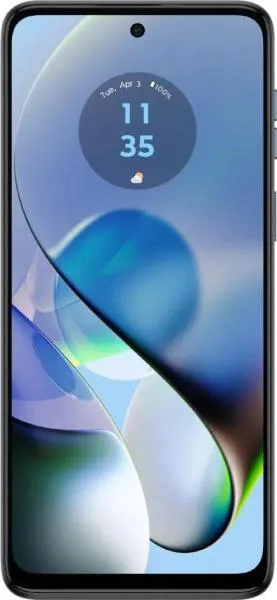
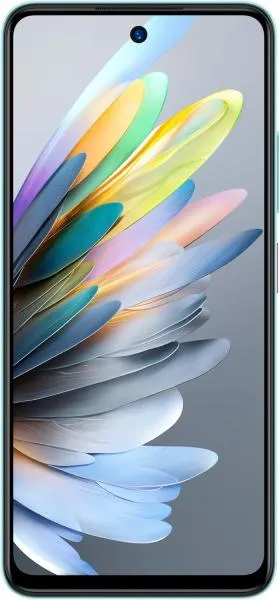
| Dimensions (mm) | 161.6 x 73.8 x 8 | 164.1 x 75.8 x 8.6 | Moto G54 is slightly smaller and thinner, making it potentially more comfortable for one-handed use. |
| Weight (g) | 177 | 189 | Moto G54 is noticeably lighter, reducing hand fatigue during extended use. |
| Display | |||
| Size (inches) | 6.5 | 6.6 | Negligible difference in screen real estate. |
| Type | IPS LCD, 120Hz | IPS LCD, 90Hz | Moto G54's 120Hz refresh rate provides smoother scrolling and animations, resulting in a more fluid user experience. |
| Resolution | 1080 x 2400 | 720 x 1612 | Moto G54 offers significantly sharper visuals due to its higher resolution (Full HD+ vs. HD+). |
| PPI | 405 | 267 | Higher PPI on Moto G54 translates to sharper text and images, less pixelation, and a more visually appealing experience. |
| Performance | |||
| Chipset | Dimensity 7020 (6nm) | Unisoc T606 (12nm) | Moto G54's more advanced and efficient chipset provides significantly better performance and power management. |
| CPU | Octa-core (2x2.2 GHz Cortex-A78 & 6x2.0 GHz Cortex-A55) | Octa-core (2x1.6 GHz Cortex-A75 & 6x1.6 GHz Cortex-A55) | Moto G54 has faster and more powerful CPU cores, leading to smoother multitasking and faster app loading times. |
| GPU | IMG BXM-8-256 | Mali-G57 MP1 | Moto G54 boasts a considerably more powerful GPU, delivering a better gaming experience and smoother graphics rendering. |
| RAM | 8GB | 4GB | Moto G54's larger RAM allows for more apps to run in the background without performance slowdown and improved multitasking. |
| Storage | 256GB | 256GB | Both phones offer equal storage capacity. |
| Battery | |||
| Capacity (mAh) | 5000 | 5000 | Both phones have the same battery capacity. Real-world battery life will depend on usage and the G54's superior efficiency. |
| Other | |||
| OS | Android 13 | Android 13 | Both run on the same operating system. |
| NFC | Yes | Yes | Both support contactless payments and data transfer. |
| Sensors | accelerometer, gyro, proximity, compass, Fingerprint (side-mounted) | accelerometer, proximity, Fingerprint (side-mounted) | Moto G54 includes a gyroscope for enhanced motion sensing in games and apps. ZTE lacks compass and gyro sensor. |
2. Key Differences Analysis
Moto G54 Advantages:
- Significantly better performance: The Dimensity 7020 chipset, coupled with 8GB of RAM and a more powerful GPU, provides a noticeable performance advantage in everyday tasks, multitasking, and gaming.
- Smoother display: The 120Hz refresh rate offers a smoother and more responsive visual experience compared to the 90Hz display on the ZTE Blade A75.
- Sharper display: The Full HD+ resolution results in significantly clearer and more detailed visuals.
- Lighter and slightly smaller: More comfortable for one-handed use and extended periods.
- More comprehensive sensors: Inclusion of gyroscope allows for better motion sensing and AR applications.
ZTE Blade A75 4G Advantages:
- Lower price: Positioned in the "low price" range, offering a more budget-friendly option.
3. User Profiles & Recommendations
Moto G54: Users who prioritize performance, a smooth and sharp display, and a comfortable design. Suitable for gaming, multitasking, media consumption, and general use.
ZTE Blade A75 4G: Users on a tight budget who prioritize basic functionality and a large screen size. Best suited for light usage such as calling, texting, browsing, and social media.
4. Decision Framework
Key Questions:
- What is your budget? The ZTE Blade A75 is a more budget-friendly option.
- What is your primary use case? For demanding tasks like gaming or multitasking, the Moto G54 is significantly better. For basic usage, the ZTE might suffice.
- How important is display quality and smoothness? The Moto G54's superior display is a major differentiator.
My Choice: Motorola Moto G54
While the ZTE Blade A75 4G offers a lower price point, the Motorola Moto G54 provides significantly better value overall. The superior performance, smoother and sharper display, more comfortable design, and longer projected battery life (due to a more efficient chipset) make it a much more compelling device for a wider range of users. The difference in price is likely justified by the substantial improvements in user experience. The lack of a gyroscope and compass in the ZTE further limits its utility. While budget is a crucial factor, the Moto G54's advantages in key areas like performance and display make it a worthwhile investment for a more satisfying and future-proof smartphone experience.
