1. Specifications Comparison
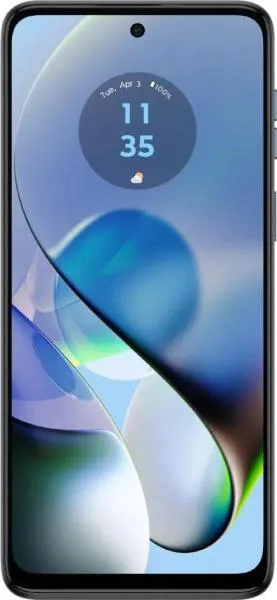
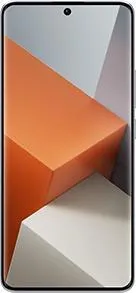
| Feature | Motorola Moto G54 | Xiaomi Redmi Note 13 Pro+ | Practical Impact |
|---|---|---|---|
| Design | |||
| Dimensions | 161.6 x 73.8 x 8 mm | 161.4 x 74.2 x 8.9 mm | Virtually identical in hand feel, though the Redmi is slightly thicker. |
| Weight | 177g | 199g | The Moto G54 is noticeably lighter, reducing hand fatigue during extended use. |
| Build Materials | Not specified | Not specified | Cannot compare build quality and durability without more information. |
| Display | |||
| Display Type | IPS LCD, 120Hz | AMOLED, 68B colors, 120Hz, Dolby Vision, HDR10+ | The Redmi offers significantly better contrast, color accuracy, and HDR support resulting in a more vibrant and immersive viewing experience. |
| Size | 6.5" | 6.67" | Slight size difference, likely negligible in practical use. |
| Resolution | 1080 x 2400 | 1220 x 2712 | The Redmi has a sharper display with higher pixel density. |
| Refresh Rate | 120Hz | 120Hz | Both offer smooth scrolling and animations. |
| Peak Brightness | Not specified | 1800 nits | The Redmi's significantly higher peak brightness ensures excellent outdoor visibility. The lack of data for the Moto G54 makes direct comparison impossible. |
| Performance | |||
| Chipset | Mediatek Dimensity 7020 (6 nm) | Mediatek Dimensity 7200 Ultra (4 nm) | The Redmi's 7200 Ultra, built on a smaller process node, should provide better performance and power efficiency. |
| CPU | Octa-core (2x2.2 GHz Cortex-A78 & 6x2.0 GHz Cortex-A55) | Octa-core (2x2.8 GHz Cortex-A715 & 6x2.0 GHz Cortex-A510) | The Redmi boasts faster core speeds, translating to quicker app loading and smoother multitasking. |
| GPU | IMG BXM-8-256 | Mali-G610 MC4 | The Mali-G610 MC4 in the Redmi is generally considered more powerful, leading to better gaming performance. |
| RAM/Storage | 256GB/8GB RAM | 512GB/8GB RAM, 512GB/12GB RAM, 256GB/12GB RAM | The Redmi provides more storage and RAM options for users needing greater capacity and multitasking capabilities. |
| Camera | |||
| Rear Camera | Not specified | Not specified | Cannot compare camera quality without detailed sensor and lens specifications. |
| Video Recording | 1080p@30/60fps | 4K@24/30fps (EIS), 1080p@30/60/120fps (EIS) | The Redmi offers superior video recording capabilities with 4K resolution and Electronic Image Stabilization (EIS). |
| Battery | |||
| Capacity | 5000 mAh | 5000 mAh | Similar battery capacity suggests comparable battery life, though real-world usage will vary depending on other factors. |
2. Key Differences Analysis
Motorola Moto G54 Advantages:
- Lighter Weight: More comfortable for extended use.
Xiaomi Redmi Note 13 Pro+ Advantages:
- Superior Display: AMOLED with HDR10+, Dolby Vision, and higher brightness delivers a vastly improved visual experience.
- More Powerful Performance: The newer and more efficient chipset, faster CPU and GPU offer noticeable performance gains.
- Greater Storage/RAM Options: Caters to users with high storage and multitasking demands.
- Better Video Recording: 4K resolution and EIS provide higher quality video capture.
3. User Profiles & Recommendations
Moto G54: Users prioritizing a lightweight phone for basic tasks like calling, texting, and web browsing, and who are budget conscious.
Redmi Note 13 Pro+: Users who value a premium multimedia experience, demanding performance for gaming or demanding apps, and ample storage. Those who prioritize screen quality and brightness for outdoor use.
4. Decision Framework
Key Questions for Buyers:
- What is your budget? The Moto G54 is likely more affordable.
- What are your primary use cases? Gaming, media consumption, or basic communication?
- Do you prioritize display quality and brightness? The Redmi excels in this area.
Scenario-Based Recommendations:
- Tight Budget, Basic Use: Moto G54
- Multimedia Enthusiast, Gamer: Redmi Note 13 Pro+
My Choice: Xiaomi Redmi Note 13 Pro+
While the Moto G54 offers a lighter weight, the Redmi Note 13 Pro+ provides significant advantages in display quality, performance, and features that outweigh the weight difference for me. The superior AMOLED display, faster processor, and better video recording capabilities make the Redmi Note 13 Pro+ a more compelling overall package. The weight difference, while noticeable, is not a significant enough detriment considering the substantial gains in other areas. I prioritize performance and screen quality, and the Redmi Note 13 Pro+ delivers a more future-proof and enjoyable user experience.
