1. Specifications Comparison
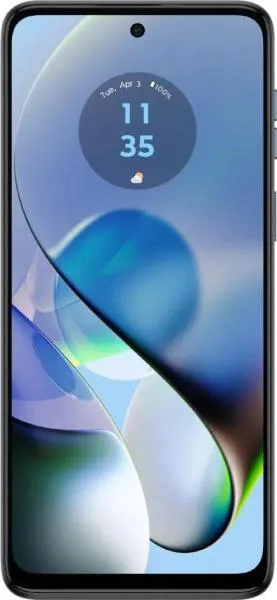
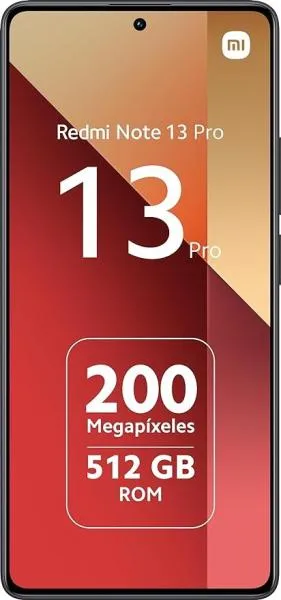
| Feature | Motorola Moto G54 | Xiaomi Redmi Note 13 Pro 4G | Practical Impact |
|---|---|---|---|
| Design | |||
| Dimensions (mm) | 161.6 x 73.8 x 8 | 161.1 x 75 x 8 | Redmi is slightly wider but practically negligible. Both are slim. |
| Weight (g) | 177 | 188 | Moto G54 is noticeably lighter, improving one-handed use. |
| Fingerprint Sensor | Side-mounted | Under-display | Preference-based; under-display feels more modern, side-mounted can be faster. |
| Display | |||
| Display Type | IPS LCD, 120Hz | AMOLED, 1B colors, 120Hz | Redmi's AMOLED offers richer colors, deeper blacks, and better power efficiency in dark mode. |
| Size (inches) | 6.5 | 6.67 | Redmi has a slightly larger screen, providing more immersive content consumption. |
| Resolution | 1080 x 2400 | 1080 x 2400 | Identical resolution; sharpness is similar on both devices. |
| Peak Brightness (nits) | Not specified | 1300 | Redmi's significantly higher peak brightness ensures excellent outdoor visibility. Missing Moto G54 data limits comparison. |
| Performance | |||
| Chipset | Mediatek Dimensity 7020 (6nm) | Mediatek Helio G99 Ultra | Both are mid-range chipsets. Dimensity 7020 is likely slightly more powerful due to newer architecture, but real-world difference might be minimal. "Ultra" designation on Helio G99 is unclear without further data. |
| CPU | Octa-core (2x2.2 GHz Cortex-A78 & 6x2.0 GHz Cortex-A55) | Octa-core (2x2.2 GHz Cortex-A76 & 6x2.0 GHz Cortex-A55) | Moto G54 uses slightly newer Cortex-A78 cores, potentially offering a slight performance edge in demanding tasks. |
| GPU | IMG BXM-8-256 | Mali-G57 MC2 | Difficult to compare without benchmarks. Expect comparable gaming performance in the mid-range segment. |
| RAM/Storage | 256GB/8GB RAM | 256GB/8GB RAM, 512GB/12GB RAM | Redmi offers a 12GB RAM option for better multitasking. |
| Battery | |||
| Capacity (mAh) | 5000 | 5000 | Identical battery capacity. Real-world battery life depends on optimization and usage patterns. |
| Software | |||
| OS | Android 13 | Android 13 | Both ship with Android 13. |
| Max OS Version | Not specified | 16 | Redmi guarantees updates to Android 16, offering longer software support and security updates. Missing data for Moto G54. |
| Other | |||
| NFC | Yes | Yes | Both support contactless payments. |
| USB | USB Type-C 2.0, OTG | USB Type-C 2.0, OTG | Identical USB capabilities. |
| Video Capabilities | 1080p@30/60fps | 1080p@30/60fps | Identical video recording capabilities. |
2. Key Differences Analysis
Motorola Moto G54 Advantages:
- Lighter Weight: Noticeably lighter, enhancing comfort for extended use.
- Potentially Slightly Faster CPU: Newer Cortex-A78 cores might offer a marginal performance advantage.
Xiaomi Redmi Note 13 Pro 4G Advantages:
- AMOLED Display: Superior display technology with vibrant colors, deeper blacks, and better power efficiency in dark mode.
- Higher Peak Brightness: Ensures excellent outdoor visibility.
- More RAM/Storage Options: Offers a 12GB RAM variant for power users and more storage flexibility.
- Confirmed Software Updates: Guaranteed updates to Android 16, ensuring longer-term software support.
Trade-offs:
- The Redmi Note 13 Pro 4G's superior display and confirmed software updates come at the cost of a slightly heavier device.
- The Moto G54's potential performance advantage might be negligible in real-world usage.
3. User Profiles & Recommendations
Moto G54: Suitable for users prioritizing a lightweight and comfortable phone for everyday tasks, who are less concerned about display quality or long-term software updates.
Redmi Note 13 Pro 4G: Ideal for users who value a vibrant display, excellent outdoor visibility, extended software support, and have demanding multitasking needs. Good for media consumption, gaming, and productivity.
4. Decision Framework
Key Questions for Buyers:
- How important is display quality? If vibrant colors and deep blacks are crucial, the Redmi's AMOLED is a clear winner.
- Do you prioritize long-term software updates? The Redmi's confirmed updates to Android 16 provide peace of mind.
- How important is a lightweight phone? The Moto G54's lighter weight significantly improves comfort for extended use.
My Choice: Xiaomi Redmi Note 13 Pro 4G
While the Moto G54 offers a lighter build, the Redmi Note 13 Pro 4G's superior AMOLED display, guaranteed software updates to Android 16, and the option for 12GB RAM make it a more compelling overall package for me. The slightly heavier weight is a minor trade-off for these substantial benefits. The brighter display is crucial for outdoor use, and longer software support ensures security and new features for an extended period. While benchmarks would be needed to confirm, I'd speculate that the Dimensity 7020's advantages would be minimal in day-to-day usage compared to the benefits of the Redmi's other features.
