1. Specifications Comparison
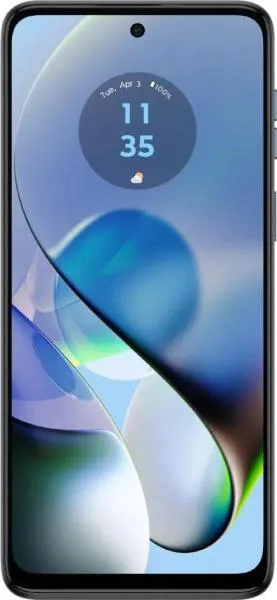
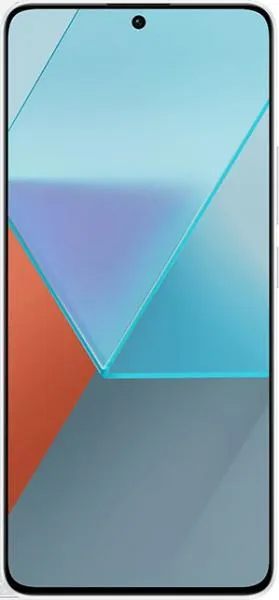
| Feature | Motorola Moto G54 | Xiaomi Redmi Note 13 Pro | Practical Impact |
|---|---|---|---|
| Design | |||
| Dimensions | 161.6 x 73.8 x 8 mm | 161.2 x 74.2 x 8 mm | Virtually identical in size and hand feel. |
| Weight | 177g | 187g | Redmi Note 13 Pro is noticeably heavier (10g). |
| Fingerprint Sensor | Side-mounted | Under-display | Preference-based; under-display is often perceived as more modern. |
| Display | |||
| Display Type | IPS LCD, 120Hz | AMOLED, 120Hz, Dolby Vision | Redmi's AMOLED offers significantly better contrast, deeper blacks, and richer colors. Dolby Vision support enhances HDR content viewing. |
| Size | 6.5" | 6.67" | Redmi offers a slightly larger screen for more immersive media consumption. |
| Resolution | 1080 x 2400 | 1220 x 2712 | Redmi boasts a sharper display with higher pixel density (446 vs 405 PPI), resulting in crisper text and images. |
| Peak Brightness | Not specified | 1800 nits | Redmi's significantly higher peak brightness ensures excellent outdoor visibility even in direct sunlight. The lack of this spec for the Moto G54 limits our comparison. |
| Performance | |||
| Chipset | Mediatek Dimensity 7020 (6 nm) | Qualcomm Snapdragon 7s Gen 2 (4 nm) | Snapdragon 7s Gen 2 generally offers better performance and efficiency due to the 4nm process. |
| CPU | Octa-core (2x2.2 GHz Cortex-A78 & 6x2.0 GHz Cortex-A55) | Octa-core (4x2.4 GHz Cortex-A78 & 4x1.95 GHz Cortex-A55) | Redmi's CPU configuration suggests potentially better multi-core performance. |
| GPU | IMG BXM-8-256 | Adreno 710 | Adreno 710 is generally considered more powerful, leading to smoother gaming and faster graphics rendering. |
| RAM/Storage | 256GB/8GB | 512GB/12GB, 256GB/8GB, 256GB/12GB | Redmi offers more RAM and storage options for power users and those needing ample space. |
| Battery | |||
| Capacity | 5000 mAh | 5100 mAh | Negligible difference in battery capacity. Real-world battery life will depend on software optimization and usage patterns. |
| Camera | |||
| Video Capabilities | 1080p@30/60fps | 4K@30fps, 1080p@30/60/120fps | Redmi offers superior video recording capabilities with 4K resolution and 120fps slow-motion. |
| Other Camera Specs | Missing | Missing | Cannot compare image quality, features, or sensor details due to lack of information. |
2. Key Differences Analysis
Motorola Moto G54 Advantages:
- Potentially lighter and more comfortable for extended use.
- More affordable (inferred from fewer RAM/storage options).
Xiaomi Redmi Note 13 Pro Advantages:
- Superior Display: AMOLED with higher resolution, brightness, and Dolby Vision. Significantly improves multimedia consumption and outdoor visibility.
- Better Performance: More powerful chipset, CPU, and GPU for smoother gaming and multitasking.
- More Storage Options: Caters to users needing ample space for apps, photos, and videos.
- Enhanced Video Recording: 4K recording and higher frame rates for capturing high-quality videos.
3. User Profiles & Recommendations
Motorola Moto G54: Budget-conscious users prioritizing a lightweight phone for basic tasks like calling, texting, and web browsing.
Xiaomi Redmi Note 13 Pro: Users valuing a premium multimedia experience, gaming performance, and ample storage. Ideal for photography/videography enthusiasts (assuming camera quality is comparable or better, given the superior video capabilities).
4. Decision Framework
Key Questions:
- What is your budget? The Moto G54 is likely more affordable.
- What are your primary use cases? For basic tasks, the Moto G54 suffices. For multimedia, gaming, and demanding tasks, the Redmi excels.
- Do you prioritize display quality? The Redmi's AMOLED display is a significant advantage for media consumption.
Scenario-Based Recommendations:
- Limited Budget, Basic Use: Moto G54
- Balanced Budget, Multimedia Focus: Redmi Note 13 Pro (lower storage variant)
- Demanding User, Power User: Redmi Note 13 Pro (higher storage/RAM variant)
My Choice: Xiaomi Redmi Note 13 Pro
The Redmi Note 13 Pro offers a compelling package with a superior display, significantly better performance, and more versatile video recording capabilities. While slightly heavier and potentially more expensive, the advantages in key areas like display and performance outweigh the minor drawbacks for me. The AMOLED screen with Dolby Vision and high brightness alone significantly enhances the user experience, especially for media consumption. Furthermore, the more powerful chipset ensures smooth performance for demanding tasks and future-proofing. The lack of detailed camera specifications prevents a complete assessment, but the enhanced video features suggest a potentially stronger camera system overall. I value a smooth, visually engaging experience and am willing to pay a bit more and carry a slightly heavier phone for those benefits.
