1. Specifications Comparison
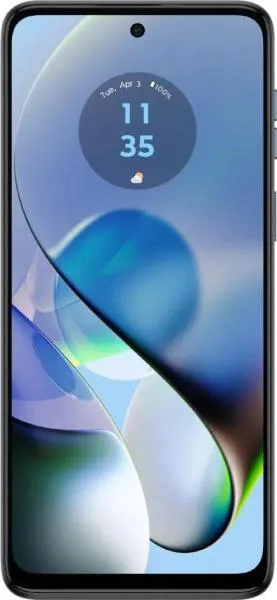
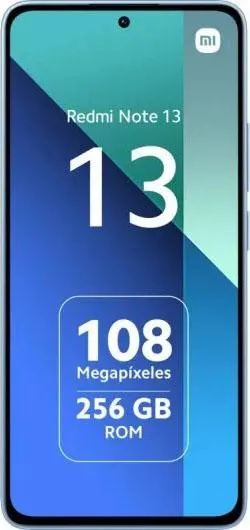
| Feature | Motorola Moto G54 | Xiaomi Redmi Note 13 4G | Practical Impact |
|---|---|---|---|
| Design | |||
| Dimensions | 161.6 x 73.8 x 8 mm | 162.3 x 75.6 x 8 mm | Redmi is slightly larger; negligible difference in daily use. |
| Weight | 177g | 188.5g | Moto G54 is noticeably lighter, more comfortable for extended use. |
| Fingerprint Sensor | Side-mounted | Under-display | Personal preference; both are reliable unlocking methods. |
| Display | |||
| Display Type | IPS LCD, 120Hz | AMOLED, 120Hz | AMOLED offers deeper blacks, vibrant colors, and better power efficiency in dark mode. |
| Size | 6.5" | 6.67" | Redmi offers a slightly larger screen for media consumption. |
| Resolution | 1080 x 2400 | 1080 x 2400 | Identical resolution; sharpness is similar on both devices. |
| Refresh Rate | 120Hz | 120Hz | Both offer smooth scrolling and animations. |
| Peak Brightness | Not specified | 1800 nits | Redmi's significantly higher brightness ensures excellent outdoor visibility. |
| Performance | |||
| Chipset | Mediatek Dimensity 7020 (6nm) | Qualcomm Snapdragon 685 (6nm) | Dimensity 7020 generally offers better CPU performance, while the Snapdragon 685 might have slight GPU advantages in some scenarios. Real-world difference may be minimal for average users. |
| CPU | Octa-core (2x2.2 GHz Cortex-A78 & 6x2.0 GHz Cortex-A55) | Octa-core (4x2.8 GHz Cortex-A73 & 4x1.9 GHz Cortex-A53) | Different core architectures; benchmarks needed for definitive comparison. |
| GPU | IMG BXM-8-256 | Adreno 610 | Gaming performance differences likely minor; further testing required. |
| RAM | 8GB | 8GB | Same RAM capacity, multitasking performance should be similar. |
| Storage | 256GB | 128GB/256GB | Moto G54 offers only a 256GB option, while Redmi offers more flexibility. |
| Camera | |||
| Video Capabilities | 1080p@30/60fps | 1080p@30fps | Moto G54 offers 60fps recording for smoother videos. Detailed camera specs missing for comprehensive comparison. |
| Battery | |||
| Capacity | 5000 mAh | 5000 mAh | Similar battery capacity; real-world battery life depends on usage and optimization. |
2. Key Differences Analysis
Motorola Moto G54 Advantages:
- Lighter: Noticeably lighter, enhancing one-handed use and comfort.
- Potentially Faster CPU: Dimensity 7020 generally benchmarks higher in CPU performance.
- 60fps Video Recording: Smoother video recording compared to Redmi's 30fps.
Xiaomi Redmi Note 13 4G Advantages:
- AMOLED Display: Superior display technology with vibrant colors, deeper blacks, and better power efficiency in dark mode.
- Higher Peak Brightness: Significantly brighter display for excellent outdoor readability.
- Storage Options: Offers more storage configurations (128GB/256GB) to suit different needs and budgets.
- Longer Software Support: Confirmed Android 16 update provides longer software support and security updates compared to the Moto G54 where future updates are unclear.
3. User Profiles & Recommendations
Moto G54: Users prioritizing a lightweight phone, potential for faster CPU performance, and smoother video recording.
Redmi Note 13 4G: Users prioritizing display quality (vibrant colors, deep blacks, outdoor visibility) and longer software support.
4. Decision Framework
Key Questions for Buyers:
- Display Quality Priority: Is a vibrant and bright display crucial, or is a lighter phone more important?
- Performance Needs: Is raw CPU performance for demanding tasks a priority, or is general usage sufficient?
- Software Updates: How important are long-term software updates and security patches?
My Choice: Xiaomi Redmi Note 13 4G
While the Moto G54 offers a lighter weight and potentially faster CPU performance, the Redmi Note 13 4G's AMOLED display, significantly higher peak brightness, and confirmed longer software support are more compelling to me. The AMOLED display provides a superior visual experience, and the bright screen ensures usability even in direct sunlight. Furthermore, the assurance of software updates for a longer period adds value and peace of mind in terms of security and new features. The slightly heavier weight is a trade-off I'm willing to make for these benefits. The flexibility in storage options is also a plus.
