1. Specifications Comparison
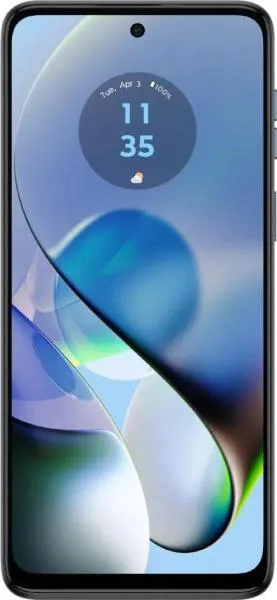
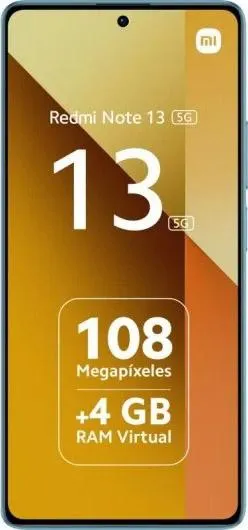
| Feature | Motorola Moto G54 | Xiaomi Redmi Note 13 | Practical Impact |
|---|---|---|---|
| Design | |||
| Dimensions | 161.6 x 73.8 x 8 mm | 161.1 x 75 x 7.6 mm | Redmi Note 13 is slightly wider and thicker. Negligible difference in daily use. |
| Weight | 177g | 174.5g | Virtually identical weight; no noticeable difference in hand. |
| Build | Not specified | Not specified | Build quality and materials unknown for both, limiting comparison. |
| Display | |||
| Display Type | IPS LCD, 120Hz | AMOLED, 1B colors, 120Hz | AMOLED offers deeper blacks, more vibrant colors, and potentially better power efficiency. |
| Size | 6.5" | 6.67" | Redmi Note 13 has a slightly larger screen, providing more immersive content consumption. |
| Resolution | 1080 x 2400 | 1080 x 2400 | Identical resolution; sharpness is similar on both devices given the slight size difference. |
| Refresh Rate | 120Hz | 120Hz | Both offer smooth scrolling and animations thanks to the high refresh rate. |
| Peak Brightness | Not specified | 1000 nits | Redmi Note 13's higher peak brightness ensures better visibility in direct sunlight. |
| Performance | |||
| Chipset | Mediatek Dimensity 7020 (6 nm) | Mediatek Dimensity 6080 (6 nm) | Dimensity 7020 likely offers slightly better performance in demanding tasks and gaming due to its slightly faster CPU cores. |
| CPU | Octa-core (2x2.2 GHz Cortex-A78 & 6x2.0 GHz Cortex-A55) | Octa-core (2x2.4 GHz Cortex-A76 & 6x2.0 GHz Cortex-A55) | While the 6080 has slightly faster prime cores, the 7020 utilizes newer architecture (A78 vs A76), potentially resulting in better efficiency and sustained performance. |
| GPU | IMG BXM-8-256 | Mali-G57 MC2 | BXM-8-256 is expected to deliver better graphical performance compared to the Mali-G57 MC2. |
| RAM | 8GB | 8GB/12GB | 12GB RAM option on Redmi Note 13 allows for better multitasking and smoother performance with many apps open. |
| Storage | 256GB | 256GB | Identical storage capacity on base models. |
| Camera | |||
| Rear Camera | Not specified | Not specified | Insufficient information to compare camera quality. |
| Video | 1080p@30/60fps | 1080p@30fps | Moto G54 can record at 60fps, resulting in smoother video footage. |
| Battery | |||
| Capacity | 5000 mAh | 5000 mAh | Identical battery capacity; real-world battery life will depend on software optimization and usage patterns. |
| Charging | Not specified | Not specified | Charging speeds unknown for both devices, limiting comparison. |
| Software | |||
| OS | Android 13 | Android 13 | Both run on Android 13 at launch. |
| OS Updates | Not specified | Up to Android 16 | Redmi Note 13 has confirmed future OS updates, offering longer software support. |
| Other | |||
| NFC | Yes | Yes | Both support contactless payments and data transfer. |
| USB | USB Type-C 2.0, OTG | USB Type-C 2.0, OTG | Both have USB-C with OTG for connecting peripherals. |
| Price Range | Medium | Low | Redmi Note 13 offers better value for its features considering its lower price range. |
2. Key Differences Analysis
Moto G54 Advantages:
- Potentially smoother performance: Slightly better GPU and newer CPU architecture may provide a performance edge.
- Smoother video recording: 60fps video recording option.
Redmi Note 13 Advantages:
- Superior Display: AMOLED display with 1 billion colors and higher peak brightness for a more vibrant and visible screen.
- Lower Price: Offers compelling features at a lower price point.
- Larger Display: Slightly larger screen for more immersive content.
- Confirmed Software Updates: Guaranteed updates up to Android 16.
- RAM Option: Offers a 12GB RAM configuration for improved multitasking.
Trade-offs:
- Moto G54's potential performance advantage might come at a higher price.
- Redmi Note 13's lower price might involve compromises in certain areas like build materials (unknown).
3. User Profiles & Recommendations
Moto G54: Users who prioritize performance for gaming or demanding apps and smoother video recording.
Redmi Note 13: Budget-conscious users who value a vibrant display, long software support, and ample RAM for multitasking. Suitable for media consumption, everyday tasks, and moderate gaming.
4. Decision Framework
Key Questions:
- What is your budget? The Redmi Note 13 is a more budget-friendly option.
- Is display quality a priority? The Redmi Note 13's AMOLED screen offers a superior visual experience.
- How important are software updates? The Redmi Note 13 benefits from confirmed updates to Android 16.
Scenario-Based Recommendations:
- Tight Budget: Redmi Note 13
- Best Display Quality: Redmi Note 13
- Smooth Gaming Performance: Moto G54 (Potentially, further benchmarks needed)
- Long-term Software Support: Redmi Note 13
My Choice: Xiaomi Redmi Note 13
Reasoning: The Redmi Note 13 offers a compelling combination of features at a lower price point. The AMOLED display is a significant advantage for media consumption, and the confirmed software updates ensure long-term usability. While the Moto G54 might offer a slight performance edge in certain scenarios, the Redmi Note 13's overall package, including the larger display and RAM options, provides better value for most users. The lack of specific camera and build information makes a definitive judgment difficult, but based on the available data, the Redmi Note 13 appears to be the more attractive option for its price-to-performance ratio.
