1. Specifications Comparison
| Feature | Motorola Moto G54 | Xiaomi Redmi 13C 5G | Practical Impact |
|---|---|---|---|
| Design | |||
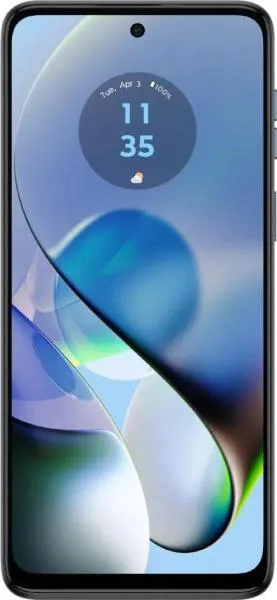
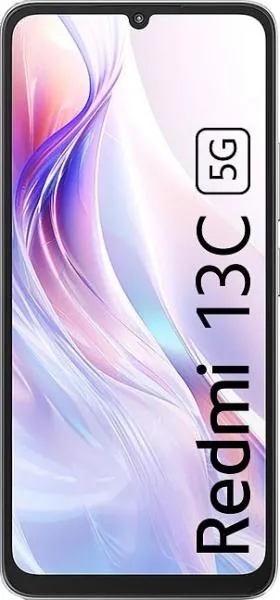
| Dimensions (mm) | 161.6 x 73.8 x 8 | 168 x 78 x 8.1 | The Moto G54 is noticeably smaller and thinner, making it more pocketable and easier to handle. |
| Weight (g) | 177 | 192 | The Moto G54 is lighter, reducing hand fatigue during extended use. |
| Display | |||
| Size (inches) | 6.5 | 6.74 | The Redmi 13C has a slightly larger display, offering a more immersive viewing experience for media consumption. |
| Type | IPS LCD, 120Hz | IPS LCD, 90Hz | The Moto G54's 120Hz refresh rate provides smoother scrolling and animations compared to the Redmi 13C's 90Hz. |
| Resolution | 1080 x 2400 | 720 x 1600 | The Moto G54 has a significantly sharper display due to its higher resolution, resulting in clearer text and images. |
| PPI | 405 | 260 | Reinforces the sharpness difference; the Moto G54's display will be noticeably crisper. |
| Peak Brightness (nits) | Not specified | ~600 (HBM) | The Redmi 13C's specified peak brightness suggests better visibility in direct sunlight, although real-world performance can vary. The lack of data for the Moto G54 makes a direct comparison impossible. |
| Performance | |||
| Chipset | Mediatek Dimensity 7020 (6 nm) | Mediatek Dimensity 6100+ (6 nm) | Both use a 6nm process, suggesting similar power efficiency. The Dimensity 7020 generally benchmarks higher than the 6100+, indicating the Moto G54 likely has a performance advantage in demanding tasks and gaming. |
| CPU | Octa-core (2x2.2 GHz Cortex-A78 & 6x2.0 GHz Cortex-A55) | Octa-core (2x2.2 GHz Cortex-A76 & 6x2.0 GHz Cortex-A55) | While clock speeds are similar, the Cortex-A78 cores in the Moto G54 are generally more powerful than the A76 cores in the Redmi 13C, contributing to better performance. |
| GPU | IMG BXM-8-256 | Mali-G57 MC2 | The BXM-8-256 generally offers better graphics performance than the Mali-G57 MC2, leading to smoother gaming and faster rendering in the Moto G54. |
| RAM/Storage | 256GB/8GB | 128GB/6GB | The Moto G54 offers double the storage and more RAM, allowing for more apps, files, and smoother multitasking. |
| Other | |||
| Battery | 5000 mAh | 5000 mAh | Similar battery capacities suggest comparable battery life, though actual usage will depend on other factors like display and processor efficiency. |
| NFC | Yes | No | The Moto G54 supports NFC for contactless payments and other functionalities, which the Redmi 13C lacks. |
| Sensors | accelerometer, gyro, proximity, compass, Fingerprint (side-mounted) | accelerometer, compass, Fingerprint (side-mounted) | The Moto G54 has a gyroscope sensor, enabling features like motion-based gaming and VR experiences, which the Redmi 13C lacks. |
2. Key Differences Analysis
Moto G54 Advantages:
- Superior Display: Higher resolution, refresh rate, and likely better overall quality.
- Better Performance: More powerful CPU and GPU, more RAM, and more storage.
- More Features: NFC for contactless payments, gyroscope for motion-based applications.
- More Compact Design: Smaller and lighter for easier handling.
Redmi 13C 5G Advantages:
- Slightly Larger Display: More immersive for media consumption (though lower resolution).
- Potentially Brighter Display: May be better in direct sunlight (lack of Moto G54 data makes confirmation impossible).
3. User Profiles & Recommendations
Moto G54: Users who prioritize performance, a smooth and sharp display, a compact form factor, and features like NFC. Suitable for gaming, multitasking, and general use.
Redmi 13C 5G: Users on a tighter budget who prioritize a large display for media consumption and basic functionality. Best for casual browsing, video watching, and less demanding tasks.
4. Decision Framework
Key Questions for Buyers:
- What is your budget? The Redmi 13C is likely more affordable.
- What are your primary use cases? Gaming and multitasking favor the Moto G54, while media consumption might favor the Redmi 13C's larger screen (despite lower resolution).
- Which features are essential? NFC is a key differentiator.
My Choice: Motorola Moto G54
While lacking specific brightness data for the Moto G54 prevents a complete assessment, the overall package offered by the Moto G54 is significantly more compelling. The superior display quality, notably higher resolution, smoother refresh rate, combined with the performance advantages, additional features (NFC, gyroscope), and more compact form factor make it the better choice for a wider range of users. Even if the Redmi 13C proves brighter in direct sunlight, the compromises in other areas are significant. The Moto G54 offers better long-term value due to its superior performance and feature set, making it a more future-proof investment.
