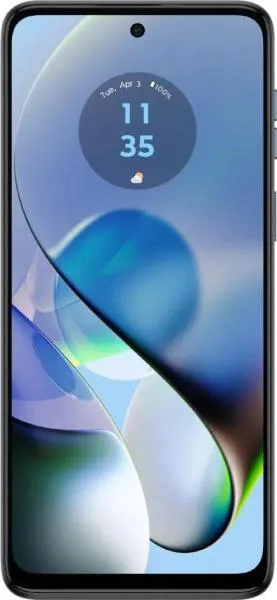
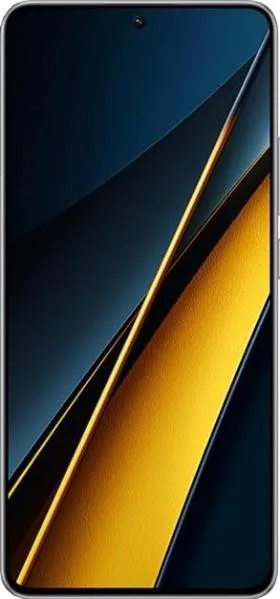
1. Specifications Comparison
| Feature | Motorola Moto G54 | Xiaomi Poco X6 Pro | Practical Impact |
|---|---|---|---|
| Design | |||
| Dimensions | 161.6 x 73.8 x 8 mm | 160.5 x 74.3 x 8.3 mm | Poco X6 Pro slightly taller and thicker. Negligible difference in hand feel. |
| Weight | 177g | 186g | Poco X6 Pro is noticeably heavier but still within a comfortable range. |
| Build Materials | Not specified | Not specified | Cannot compare build quality and durability without more information. |
| Fingerprint Sensor | Side-mounted | Under-display | Preference-based. Under-display is often considered more modern, side-mounted can be more readily accessible. |
| Display | |||
| Display Type | IPS LCD, 120Hz | AMOLED, 68B colors, 120Hz, HDR10+, Dolby Vision | Poco X6 Pro offers superior contrast, vibrant colors, and HDR support for a significantly better viewing experience. |
| Size | 6.5 inches | 6.67 inches | Poco X6 Pro provides a slightly larger screen for more immersive content consumption. |
| Resolution | 1080 x 2400 | 1220 x 2712 | Poco X6 Pro has a sharper display with higher pixel density, resulting in clearer text and images. |
| Refresh Rate | 120Hz | 120Hz | Both offer smooth scrolling and animations. |
| Peak Brightness | Not specified | 1800 nits | Poco X6 Pro's significantly higher peak brightness ensures excellent outdoor visibility. Lack of data for the Moto G54 makes direct comparison impossible. |
| Performance | |||
| Chipset | Mediatek Dimensity 7020 (6 nm) | Mediatek Dimensity 8300 Ultra (4 nm) | Poco X6 Pro boasts a more powerful and efficient processor, leading to smoother multitasking, faster app loading, and better gaming performance. |
| CPU | Octa-core (2x2.2 GHz Cortex-A78 & 6x2.0 GHz Cortex-A55) | Octa-core (1x3.35 GHz Cortex-A715 & 3x3.20 GHz Cortex-A715 & 4x2.20 GHz Cortex-A510) | The Poco X6 Pro's CPU architecture and higher clock speeds translate to a substantial performance advantage. |
| GPU | IMG BXM-8-256 | Mali G615-MC6 | Poco X6 Pro offers superior graphics processing capabilities for demanding games and applications. |
| RAM/Storage | 256GB/8GB RAM | 512GB/12GB RAM, 256GB/12GB RAM | Poco X6 Pro offers more RAM and storage options for better multitasking and ample file storage. |
| Battery | |||
| Capacity | 5000 mAh | 5000 mAh | Similar battery capacities; however, real-world battery life will depend on software optimization and usage patterns. |
| Camera | |||
| Video Capabilities | 1080p@30/60fps | 4K@24/30fps (EIS), 1080p@30/60fps (EIS) | Poco X6 Pro offers higher resolution video recording and Electronic Image Stabilization (EIS) for smoother footage. Detailed camera specifications (sensor size, aperture) are needed for a comprehensive comparison. |
2. Key Differences Analysis
Moto G54 Advantages:
- Potentially more affordable (depending on specific market pricing)
- Potentially lighter and slightly thinner.
Poco X6 Pro Advantages:
- Significantly superior display: AMOLED with HDR, Dolby Vision, and much higher brightness.
- Substantially more powerful processor and GPU.
- More RAM and storage options.
- Higher resolution video recording with EIS.
- More recent Android version (14 vs 13) with longer OS support commitment.
3. User Profiles & Recommendations
Moto G54: Budget-conscious users who prioritize basic functionality and battery life. Suitable for light usage including web browsing, social media, and casual gaming.
Poco X6 Pro: Users who demand high performance, a premium display, and ample storage. Ideal for demanding tasks like gaming, video editing, and multitasking.
4. Decision Framework
Key Questions:
- What is your budget? The Moto G54 is likely more affordable.
- What are your primary use cases? Gaming, content creation, and heavy multitasking favor the Poco X6 Pro.
- How important is display quality? The Poco X6 Pro's AMOLED display is a significant advantage.
Scenario-Based Recommendations:
- Limited Budget: Moto G54
- Power User: Poco X6 Pro
- Multimedia Enthusiast: Poco X6 Pro
My Choice: Xiaomi Poco X6 Pro
The Poco X6 Pro is the clear winner for me. While pricing information isn't available, the substantial upgrades in display, performance, and future-proofing offered by the newer chipset and Android version outweigh the potential price difference. The superior AMOLED display, faster processor, greater RAM, and higher resolution video recording capabilities significantly enhance the overall user experience. Even though the Moto G54 might be lighter, the Poco X6 Pro's weight is still within an acceptable range. The lack of detailed camera specs prevents a complete evaluation, but based on the available data, the Poco X6 Pro offers a more compelling package for a wider range of users. The longer OS support commitment from Android 14 to 17 is also a significant factor in long-term usability and value.
