1. Specifications Comparison
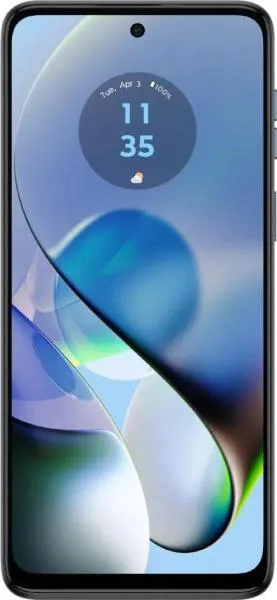
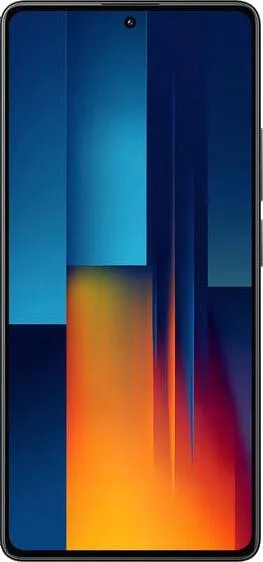
| Feature | Motorola Moto G54 | Xiaomi Poco M6 Pro | Practical Impact |
|---|---|---|---|
| Design | |||
| Dimensions | 161.6 x 73.8 x 8 mm | 161.1 x 75 x 8 mm | Poco M6 Pro slightly wider |
| Weight | 177g | 179g | Negligible weight difference |
| Fingerprint Sensor | Side-mounted | Under-display | Preference-based; under-display considered more modern |
| Display | |||
| Size | 6.5" | 6.67" | Poco M6 Pro offers slightly larger viewing area |
| Type | IPS LCD, 120Hz | AMOLED, 120Hz | AMOLED offers better contrast, deeper blacks, and potentially better power efficiency. |
| Resolution | 1080 x 2400 | 1080 x 2400 | Identical resolution; sharpness comparable given size difference |
| Peak Brightness | Not specified | 1300 nits | Poco M6 Pro significantly brighter, enhancing outdoor visibility |
| Refresh Rate | 120Hz | 120Hz | Both offer smooth scrolling and animations |
| Performance | |||
| Chipset | Mediatek Dimensity 7020 (6 nm) | Mediatek Helio G99 Ultra | Dimensity 7020 generally considered more powerful, potentially better gaming and multitasking performance. "Ultra" designation on the Helio G99 doesn't provide concrete performance details and should be viewed cautiously. |
| CPU | Octa-core (2x2.2 GHz Cortex-A78 & 6x2.0 GHz Cortex-A55) | Octa-core (2x2.2 GHz Cortex-A76 & 6x2.0 GHz Cortex-A55) | Moto G54 utilizes newer Cortex-A78 cores, offering a performance advantage over the A76 cores in the Poco M6 Pro. |
| GPU | IMG BXM-8-256 | Mali-G57 MC2 | BXM-8-256 expected to provide better graphics performance than Mali-G57 MC2, benefiting gaming and graphically demanding tasks. |
| RAM/Storage | 256GB/8GB | 512GB/12GB | Poco M6 Pro offers significantly more storage and RAM, enabling smoother multitasking and more app storage. |
| Battery | |||
| Capacity | 5000 mAh | 5000 mAh | Identical battery capacity |
| Other | |||
| OS | Android 13 | Android 13 | Both run on the latest Android version |
| NFC | Yes | Yes | Both support contactless payments |
| USB | USB Type-C 2.0, OTG | USB Type-C 2.0, OTG | Identical USB connectivity |
| Video Capabilities | 1080p@30/60fps | 1080p@30/60fps (EIS) | Similar video recording capabilities, Poco M6 Pro benefits from Electronic Image Stabilization (EIS) for smoother footage |
2. Key Differences Analysis
Motorola Moto G54 Advantages:
- Superior Performance: The Dimensity 7020 and newer CPU cores provide a noticeable performance advantage for demanding tasks and gaming.
Xiaomi Poco M6 Pro Advantages:
- Brighter AMOLED Display: The AMOLED display with 1300 nits peak brightness provides vibrant colors, deeper blacks, and excellent outdoor visibility.
- Larger Storage and RAM: Double the storage and 50% more RAM allow for smoother multitasking and ample space for apps and files.
- Video Stabilization: EIS ensures smoother video recording.
3. User Profiles & Recommendations
Motorola Moto G54: Users prioritizing performance for gaming or demanding applications, who value a responsive experience.
Xiaomi Poco M6 Pro: Users who consume a lot of media, prioritize a vibrant display for outdoor use, and need ample storage space.
4. Decision Framework
Key Questions:
- What is your budget? While both are mid-range, slight price differences might exist.
- Is performance or display quality more important to you? G54 for performance, M6 Pro for display.
- How much storage do you need? M6 Pro offers significantly more.
Scenario-Based Recommendations:
- Heavy gamer: Moto G54
- Outdoor media consumption: Poco M6 Pro
- Multitasker with large storage needs: Poco M6 Pro
My Choice: Motorola Moto G54
While the Poco M6 Pro boasts a stunning AMOLED display and ample storage, I prioritize performance. The Moto G54's Dimensity 7020, coupled with newer CPU cores, promises a smoother and more responsive user experience for demanding tasks and gaming. The brighter display of the Poco M6 Pro is tempting, but the performance advantage of the G54 outweighs it for my personal needs. I can live with slightly less storage and an LCD screen if it means a snappier and more powerful device. The "Ultra" moniker on the Helio G99 doesn't offer concrete evidence of improved performance over the standard G99, leaving me skeptical of its true capabilities compared to the established Dimensity 7020.
