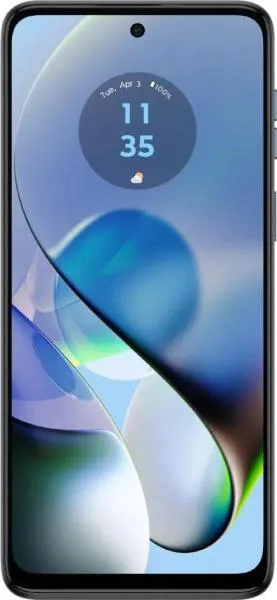
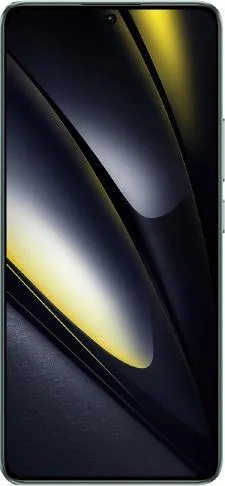
1. Specifications Comparison
| Feature | Motorola Moto G54 | Xiaomi Poco F6 | Practical Impact |
|---|---|---|---|
| Design | |||
| Dimensions | 161.6 x 73.8 x 8 mm | 160.5 x 74.5 x 8 mm | Virtually identical in size and feel. |
| Weight | 177g | 179g | Negligible weight difference. |
| Fingerprint Sensor | Side-mounted | Under-display | Personal preference; under-display is often perceived as more modern. |
| Display | |||
| Size | 6.5" | 6.67" | Poco F6 offers slightly larger screen real estate. |
| Type | IPS LCD, 120Hz | AMOLED, 68B colors, 120Hz, HDR10+, Dolby Vision | Poco F6's AMOLED provides significantly better contrast, color accuracy, and HDR support for a superior viewing experience. |
| Resolution | 1080 x 2400 | 1220 x 2712 | Poco F6 has a sharper display with higher pixel density (446 ppi vs 405 ppi). |
| Peak Brightness | Not specified | 2400 nits | Poco F6's much higher peak brightness ensures excellent outdoor visibility. The lack of this spec for the Moto G54 makes direct comparison impossible, but generally IPS LCDs have lower peak brightness. |
| Refresh Rate | 120Hz | 120Hz | Both offer smooth scrolling and animations. |
| Performance | |||
| Chipset | Mediatek Dimensity 7020 (6nm) | Qualcomm Snapdragon 8s Gen 3 (4nm) | Poco F6 boasts a significantly more powerful processor, resulting in much faster performance in demanding tasks and gaming. |
| CPU | Octa-core (2x2.2 GHz Cortex-A78 & 6x2.0 GHz Cortex-A55) | Octa-core (1x3.0 GHz Cortex-X4 & 4x2.8 GHz Cortex-A720 & 3x2.0 GHz Cortex-A520) | The Snapdragon 8s Gen 3's architecture provides a substantial performance advantage. |
| GPU | IMG BXM-8-256 | Adreno 735 | Poco F6's Adreno 735 GPU delivers significantly better graphics performance for gaming. |
| RAM/Storage | 8GB/256GB | 12GB/512GB | Poco F6 offers more RAM and storage for multitasking and large files. |
| Camera | |||
| Video Capabilities | 1080p@30/60fps | Up to 4K@60fps, 1080p@240fps | Poco F6 offers significantly better video recording capabilities with higher resolution and frame rates, including slow-motion. Missing detailed camera specs limit a full comparison. |
| Battery | |||
| Capacity | 5000mAh | 5000mAh | Similar battery capacity; real-world battery life will depend on software optimization and usage. |
| Software | |||
| OS | Android 13 | Android 14 | Poco F6 comes with a newer Android version and longer promised software updates (up to Android 17). |
2. Key Differences Analysis
Xiaomi Poco F6 Advantages:
- Significantly more powerful: The Snapdragon 8s Gen 3 offers a substantial performance leap over the Dimensity 7020.
- Superior display: The AMOLED with HDR10+, Dolby Vision, and high brightness delivers a far better visual experience.
- Better video recording: Higher resolution and frame rate options provide more versatility.
- More RAM and storage: Enhanced multitasking and ample space for files.
- Newer software with longer update support: Ensures longer-term security and feature updates.
Motorola Moto G54 Advantages:
- Potentially lower price: While both are in the "medium price" range, the Moto G54 is likely more affordable.
3. User Profiles & Recommendations
Moto G54: Suitable for budget-conscious users who prioritize basic smartphone functionality – calling, texting, web browsing, and casual social media use.
Poco F6: Ideal for users who demand high performance for gaming, media consumption, demanding applications, and content creation. Also suited for those who value a premium display and long-term software updates.
4. Decision Framework
Key Questions for Buyers:
- What is your budget? The Poco F6 likely commands a higher price.
- What are your primary smartphone uses? Casual use vs. demanding tasks and gaming.
- How important is display quality? The AMOLED display on the Poco F6 is a significant differentiator.
My Choice: Xiaomi Poco F6
While lacking specific camera details for a complete assessment, the Xiaomi Poco F6 is the clear winner for me. The superior performance, stunning display, better video recording capabilities, larger RAM and storage, and longer software support justify the likely price premium. The Snapdragon 8s Gen 3 future-proofs the device for more demanding applications and ensures a smoother user experience for longer. While the Moto G54 offers a solid value proposition for budget-conscious users, the Poco F6 provides a significantly enhanced overall user experience. I prioritize performance and a high-quality display, making the Poco F6 the better choice for my needs.
