1. Specifications Comparison
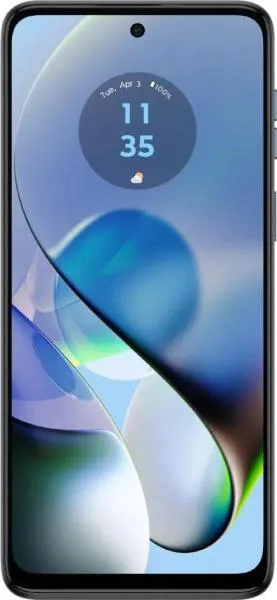
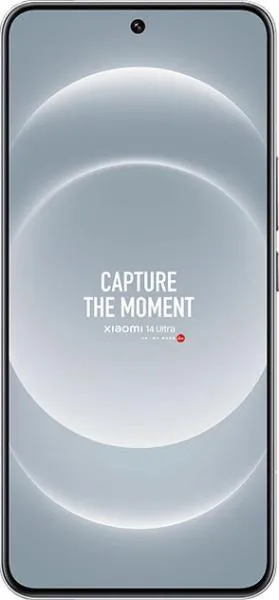
| Feature | Motorola Moto G54 | Xiaomi 14 Ultra | Practical Impact |
|---|---|---|---|
| Design | |||
| Dimensions | 161.6x73.8x8mm | 161.4x75.3x9.2mm | Xiaomi is slightly wider, thicker and heavier. Moto G54 is noticeably thinner and lighter, impacting one-hand usability and pocket portability. |
| Weight | 177g | 229.5g | Significant weight difference; Moto G54 is much lighter for comfortable extended use. |
| Display | |||
| Type | IPS LCD, 120Hz | LTPO AMOLED, 120Hz | Xiaomi offers superior contrast, deeper blacks, and potentially better power efficiency due to LTPO. Moto G54's LCD might be visible in bright sunlight. |
| Size | 6.5" | 6.73" | Xiaomi offers a slightly larger screen for media consumption. |
| Resolution | 1080x2400 | 1440x3200 | Xiaomi boasts significantly sharper visuals due to higher resolution. |
| Refresh Rate | 120Hz | 120Hz | Both offer smooth scrolling and animations. |
| Peak Brightness | null | 3000 nits | Xiaomi's display will be far more visible outdoors, even in direct sunlight. Missing Moto G54 data prevents accurate comparison. |
| Performance | |||
| Chipset | Dimensity 7020 | Snapdragon 8 Gen 3 | Xiaomi's Snapdragon 8 Gen 3 provides significantly faster processing, smoother multitasking, and better gaming performance. |
| CPU | Octa-core (2x2.2 GHz Cortex-A78 & 6x2.0 GHz Cortex-A55) | Octa-core (1x3.3 GHz Cortex-X4 & 3x3.2 GHz Cortex-A720 & 2x3.0 GHz Cortex-A720 & 2x2.3 GHz Cortex-A520) | Xiaomi's CPU architecture suggests a substantial performance advantage in demanding tasks and gaming. |
| GPU | IMG BXM-8-256 | Adreno 750 | Xiaomi's GPU provides a major leap in graphics performance for demanding games and applications. |
| RAM | 8GB | 16GB | Xiaomi offers double the RAM, enabling smoother multitasking and better handling of memory-intensive applications. |
| Storage | 256GB | 512GB | Xiaomi offers double the storage for apps, media, and files. |
| Other | |||
| OS | Android 13 | Android 14 | Xiaomi ships with a newer Android version and longer promised support (up to Android 18). |
| Battery | 5000 mAh | 5000 mAh | Similar battery capacities, but real-world battery life will depend on software optimization and power consumption of different components. |
2. Key Differences Analysis
Xiaomi 14 Ultra Advantages:
- Significantly superior performance: Snapdragon 8 Gen 3, more RAM, and faster storage contribute to a much smoother and faster user experience.
- Higher quality display: AMOLED with higher resolution, peak brightness, and richer colors offers a far better visual experience.
- Enhanced Camera Capabilities: Significantly more advanced video recording options (up to 8K and slow-motion). While detailed camera specs are missing, "Ultra" branding suggests superior camera performance.
- More future-proof: Newer Android version with longer software update commitment.
Motorola Moto G54 Advantages:
- Lighter and thinner: Easier to hold and carry for extended periods.
- Potentially lower price: "Medium price" designation suggests it's more affordable than the Xiaomi 14 Ultra.
3. User Profiles & Recommendations
Motorola Moto G54: Budget-conscious users who prioritize a lightweight phone for everyday tasks like calling, texting, browsing, and social media. Not recommended for demanding gaming or heavy multitasking.
Xiaomi 14 Ultra: Power users, gamers, photography enthusiasts, and those who demand the best possible performance and display quality. Suitable for heavy multitasking, content creation, and demanding applications.
4. Decision Framework
Key Questions:
- What is your budget? The Xiaomi 14 Ultra will likely be significantly more expensive.
- What are your primary use cases? Basic tasks vs. demanding gaming, content creation, etc.
- Do you prioritize portability and comfort over raw performance? The Moto G54 is lighter and thinner.
Scenario-Based Recommendations:
- Limited budget, basic usage: Motorola Moto G54
- Demanding user, prioritize performance: Xiaomi 14 Ultra
- Balance of performance and affordability: Consider other options not listed here.
My Choice: Xiaomi 14 Ultra
While lacking specific camera details, the Xiaomi 14 Ultra's substantial performance advantage, superior display, and future-proof software make it the clear winner for me. I prioritize a smooth, responsive user experience and a high-quality display. The extra weight is a trade-off I'm willing to make for the significant gains in performance and features. I often use my phone for demanding tasks, and the Xiaomi 14 Ultra is clearly better equipped to handle them. Even if the price is higher, the long-term value proposition of the Xiaomi 14 Ultra is stronger due to its superior hardware and longer software support.
