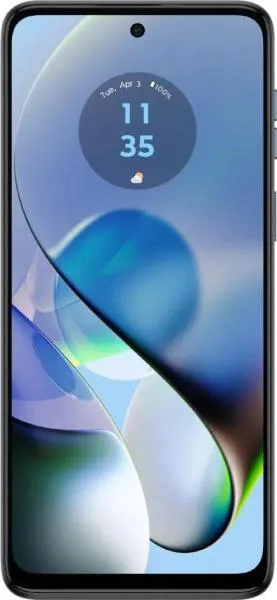
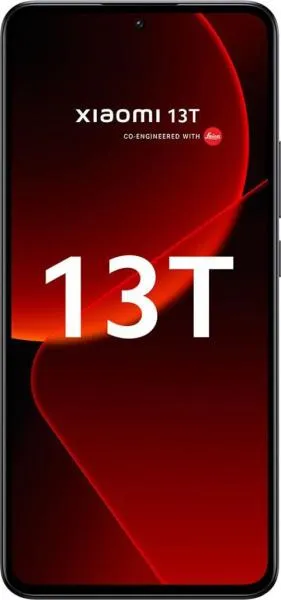
1. Specifications Comparison
| Feature | Motorola Moto G54 | Xiaomi 13T | Practical Impact |
|---|---|---|---|
| Design | |||
| Dimensions | 161.6 x 73.8 x 8mm | 162.2 x 75.7 x 8.5mm | Xiaomi 13T is slightly larger and thicker. |
| Weight | 177g | 193g | Moto G54 is noticeably lighter, improving one-hand usage. |
| Fingerprint Sensor | Side-mounted | Under-display | Preference-based; under-display perceived as more modern. |
| Display | |||
| Display Type | IPS LCD, 120Hz | AMOLED, 68B colors, 144Hz, Dolby Vision, HDR10+ | Xiaomi 13T offers superior contrast, wider color gamut, and higher peak brightness, resulting in a significantly better viewing experience, especially outdoors. |
| Size | 6.5" | 6.67" | Xiaomi 13T offers a slightly larger screen. |
| Resolution | 1080x2400 | 1220x2712 | Xiaomi 13T has a sharper display due to higher resolution and pixel density. |
| Refresh Rate | 120Hz | 144Hz | While both offer smooth scrolling, the 144Hz on the Xiaomi 13T might be noticeable in fast-paced gaming. |
| Peak Brightness | Not specified | 2600 nits | Missing peak brightness for Moto G54 makes outdoor visibility comparison difficult; Xiaomi's 2600 nits ensures excellent sunlight readability. |
| Performance | |||
| Chipset | Mediatek Dimensity 7020 (6 nm) | Mediatek Dimensity 8200 Ultra (4 nm) | Xiaomi 13T's 8200 Ultra, built on a smaller node, will offer significantly better performance and efficiency. |
| CPU | Octa-core (2x2.2 GHz Cortex-A78 & 6x2.0 GHz Cortex-A55) | Octa-core (1x3.1 GHz Cortex-A78 & 3x3.0 GHz Cortex-A78 & 4x2.0 GHz Cortex-A55) | Xiaomi 13T's CPU has a higher clock speed and more powerful cores, translating to faster app loading, smoother multitasking, and better gaming performance. |
| GPU | IMG BXM-8-256 | Mali-G610 MC6 | Xiaomi 13T's GPU is more powerful, offering a better gaming and graphics-intensive task experience. |
| RAM | 8GB | 12GB | Xiaomi 13T offers more RAM for better multitasking and app switching. |
| Storage | 256GB | 256GB | Both offer the same storage capacity. |
| Camera | |||
| Video Capabilities | 1080p@30/60fps | 4K@30fps (HDR, EIS), 1080p@30/60/120fps (HDR, EIS) | Xiaomi 13T boasts significantly better video recording capabilities with higher resolution, frame rates, and HDR/EIS support. |
| Battery | |||
| Capacity | 5000 mAh | 5000 mAh | Similar battery capacity, but real-world battery life will depend on optimization and display efficiency. Xiaomi's more powerful processor might consume more power. |
2. Key Differences Analysis
Motorola Moto G54 Advantages:
- Lighter and more compact: More comfortable for one-handed use and pocket portability.
- Potentially more affordable: While both are mid-range, the Moto G54 might be priced lower.
Xiaomi 13T Advantages:
- Significantly better display: Superior brightness, contrast, color accuracy, and refresh rate.
- Much more powerful performance: Smoother multitasking, gaming, and overall responsiveness.
- Superior video recording: Higher resolution, frame rates, and stabilization.
- More RAM: Enables better multitasking and future-proofing.
3. User Profiles & Recommendations
Motorola Moto G54:
- Budget-conscious users: Prioritizing affordability and basic functionality.
- Users seeking a lightweight phone: Valuing comfort and portability.
Xiaomi 13T:
- Power users: Demanding high performance for gaming, multitasking, and demanding applications.
- Multimedia enthusiasts: Prioritizing a high-quality display and video recording capabilities.
- Users who value future-proofing: The more powerful hardware offers better longevity.
4. Decision Framework
Key Questions for Buyers:
- What is your budget? The Moto G54 is likely more affordable.
- What are your primary use cases? Gaming, multimedia consumption, or basic communication?
- How important is display quality and performance? The Xiaomi 13T excels in these areas.
Scenario-Based Recommendations:
- Limited budget, basic usage: Moto G54
- Balanced budget, demanding usage: Xiaomi 13T
My Choice: Xiaomi 13T
While the Moto G54 offers a lighter and potentially more affordable option, the Xiaomi 13T's superior display, significantly better performance, enhanced video recording capabilities, and larger RAM make it a clear winner for me. The difference in weight is minor compared to the significant gains in user experience offered by the 13T. The improved performance and RAM also ensure better longevity. I prioritize a smooth and enjoyable user experience, making the 13T the more compelling choice despite the potential price difference. The brighter display is crucial for outdoor use, a significant factor in my personal usage.
