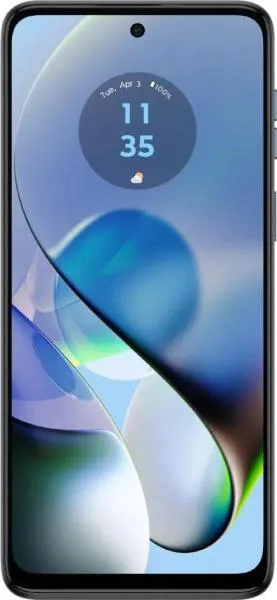

1. Specifications Comparison
| Feature | Motorola Moto G54 | vivo X100 | Practical Impact |
|---|---|---|---|
| Design | |||
| Dimensions | 161.6 x 73.8 x 8 mm | 164.1 x 75.2 x 8.5 mm | The vivo X100 is slightly larger and thicker. |
| Weight | 177g | 202g | The Moto G54 is noticeably lighter, making it more comfortable for extended use. |
| Build | Not specified | Not specified | Build materials impact durability and premium feel; however, this information is missing. |
| Display | |||
| Display Type | IPS LCD, 120Hz | LTPO AMOLED, 1B colors, 120Hz | The vivo X100's AMOLED display offers significantly better contrast, color accuracy, and power efficiency due to the LTPO technology. |
| Size | 6.5" | 6.78" | The vivo X100 has a larger display, providing more immersive content consumption. |
| Resolution | 1080 x 2400 | 1260 x 2800 | The vivo X100 has a sharper display with higher pixel density (452 ppi vs 405 ppi). |
| Peak Brightness | Not specified | 3000 nits | The vivo X100's exceptionally high peak brightness ensures excellent outdoor visibility. The lack of data for the Moto G54 makes direct comparison impossible. |
| Refresh Rate | 120Hz | 120Hz | Both phones offer smooth scrolling and animations thanks to the 120Hz refresh rate. |
| Performance | |||
| Chipset | Mediatek Dimensity 7020 (6 nm) | Mediatek Dimensity 9300 (4 nm) | The vivo X100 boasts a significantly more powerful and efficient processor built on a smaller node, resulting in better performance and battery life. |
| CPU | Octa-core (2x2.2 GHz Cortex-A78 & 6x2.0 GHz Cortex-A55) | Octa-core (1x3.25 GHz Cortex-X4 & 3x2.85 GHz Cortex-X4 & 4x2.0 GHz Cortex-A720) | The vivo X100's CPU architecture is more modern and powerful, leading to much faster processing speeds, especially in demanding tasks. |
| GPU | IMG BXM-8-256 | Immortalis-G720 MC12 | The vivo X100 has a considerably more powerful GPU, delivering a superior gaming and graphics-intensive application experience. |
| RAM | 8GB | 16GB | The vivo X100 offers double the RAM, allowing for smoother multitasking and better performance with demanding apps. |
| Storage | 256GB | 256GB/512GB | Both offer ample storage, but the vivo X100 provides a 512GB option for users needing more space. |
| Battery | |||
| Capacity | 5000 mAh | 5000 mAh | Both phones have the same battery capacity. However, the vivo X100's more efficient processor likely results in longer battery life. |
| Camera | |||
| Video Capabilities | 1080p@30/60fps | Not Specified | The Moto G54's listed video capabilities are standard for its price range. The lack of information for the vivo X100 prevents comparison. |
| Other | |||
| OS | Android 13 | Android 14 | The vivo X100 ships with the latest Android version, offering potential feature and security advantages. |
2. Key Differences Analysis
Moto G54 Advantages:
- Lighter and potentially more affordable: Its lower weight significantly improves comfort for one-handed use and extended periods. While pricing isn't explicitly stated, the specifications suggest the Moto G54 is likely more budget-friendly.
vivo X100 Advantages:
- Significantly superior performance: The Dimensity 9300 chipset, coupled with 16GB RAM, ensures a vastly smoother and more responsive experience, especially for demanding tasks and gaming.
- Higher Quality Display: The AMOLED display with a higher resolution, 1B colors and significantly higher peak brightness provides richer visuals and better outdoor visibility.
3. User Profiles & Recommendations
Moto G54: Budget-conscious users who prioritize a lightweight phone for everyday tasks like calling, texting, browsing, and light media consumption.
vivo X100: Users who demand top-tier performance, a premium display, and the latest features for gaming, demanding applications, and multimedia consumption.
4. Decision Framework
Key Questions:
- What is your budget? The Moto G54 is likely more affordable.
- What are your performance needs? For demanding tasks and gaming, the vivo X100 is significantly better.
- How important is display quality and outdoor visibility? The vivo X100 offers a far superior display.
My Choice: vivo X100
While the Moto G54 offers a lighter weight and potential affordability, the vivo X100's significant advantages in performance, display quality, and newer OS make it the superior choice for me. The Dimensity 9300 and 16GB RAM ensure a future-proof device capable of handling any task with ease. The brilliant AMOLED display offers a far more enjoyable viewing experience. While heavier, the performance and screen quality benefits outweigh the weight difference for my usage preferences, which prioritize a smooth and visually engaging experience.
