1. Specifications Comparison
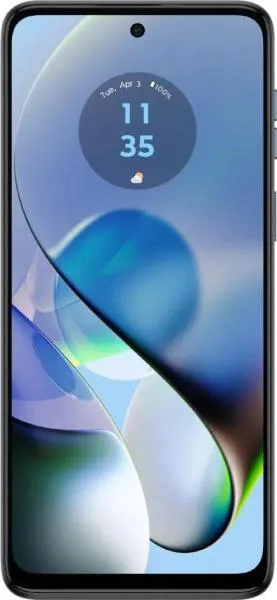
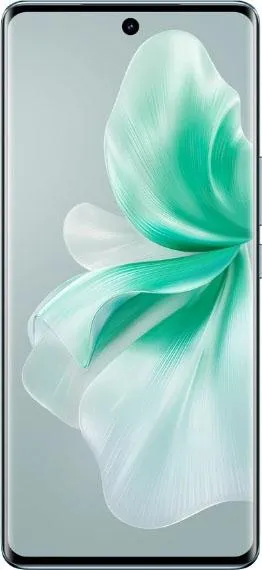
| Feature | Motorola Moto G54 | vivo V30 | Practical Impact |
|---|---|---|---|
| Design | |||
| Dimensions | 161.6 x 73.8 x 8 mm | 164.4 x 75.1 x 7.5 mm | The Vivo V30 is slightly taller and wider, but marginally thinner. The Moto G54 might feel slightly more compact in hand. |
| Weight | 177g | 186g | The Moto G54 is noticeably lighter, potentially reducing hand fatigue during extended use. |
| Fingerprint Sensor | Side-mounted | Under-display | Personal preference dictates this choice. Side-mounted sensors are often faster, while under-display sensors offer a cleaner aesthetic. |
| Display | |||
| Display Type | IPS LCD, 120Hz | AMOLED, 1B colors, HDR10+, 120Hz | The Vivo V30's AMOLED display offers superior contrast, deeper blacks, and more vibrant colors. HDR10+ support further enhances the visual experience for compatible content. |
| Display Size | 6.5" | 6.78" | The Vivo V30 provides a larger screen for more immersive media consumption and multitasking. |
| Resolution | 1080 x 2400 | 1260 x 2800 | The Vivo V30 boasts a sharper display with higher pixel density, resulting in crisper text and images. |
| Refresh Rate | 120Hz | 120Hz | Both phones offer smooth scrolling and animations thanks to the 120Hz refresh rate. |
| Peak Brightness | Not specified | 2800 nits | The Vivo V30's exceptionally high peak brightness ensures excellent outdoor visibility even in direct sunlight. The lack of this specification for the Moto G54 makes a direct comparison impossible. |
| Performance | |||
| Chipset | Mediatek Dimensity 7020 (6nm) | Qualcomm Snapdragon 7 Gen 3 (4nm) | The Snapdragon 7 Gen 3 is generally considered a more powerful and efficient chipset, leading to better performance and potentially longer battery life. The 4nm process suggests better power efficiency compared to the 6nm process of the Dimensity 7020. |
| CPU | Octa-core (2x2.2 GHz Cortex-A78 & 6x2.0 GHz Cortex-A55) | Octa-core (1x2.63 GHz Cortex-A715 & 3x2.4 GHz Cortex-A715 & 4x1.8 GHz Cortex-A510) | The Snapdragon 7 Gen 3 in the Vivo V30 likely offers superior CPU performance due to its newer architecture and higher clock speeds. |
| GPU | IMG BXM-8-256 | Adreno 720 | The Adreno 720 in the Vivo V30 is expected to provide a better gaming experience and handle graphics-intensive tasks more efficiently. |
| RAM | 8GB | 8GB | Both phones offer the same amount of RAM, ensuring smooth multitasking. |
| Storage | 256GB | 256GB | Both phones offer equal storage capacity. |
| Battery | |||
| Capacity | 5000 mAh | 5000 mAh | Both phones have the same battery capacity. Actual battery life will depend on usage and optimization. |
| Software | |||
| OS | Android 13 | Android 14 | The Vivo V30 ships with a newer Android version and is promised updates to Android 16, offering potential feature and security advantages. |
2. Key Differences Analysis
Vivo V30 Advantages:
- Superior Display: AMOLED with HDR10+ and significantly higher brightness.
- More Powerful Performance: Snapdragon 7 Gen 3 chipset.
- Newer Software: Android 14 with longer promised support.
- Sharper Display: Higher resolution and pixel density.
Motorola Moto G54 Advantages:
- Lighter and Potentially More Compact: Easier to handle and carry.
3. User Profiles & Recommendations
Vivo V30: Users who prioritize display quality, performance, and having the latest software features. Ideal for media consumption, gaming, and demanding tasks.
Motorola Moto G54: Users seeking a lightweight and more affordable option who prioritize comfortable one-handed use. Best for everyday tasks, browsing, and less demanding usage. Price sensitive users.
4. Decision Framework
Key Questions:
- What is your budget? While both are mid-range, the Vivo V30 is likely more expensive.
- What is most important: display quality or portability/comfort?
- How important is having the latest software and long-term updates?
My Choice: vivo V30
While the Motorola Moto G54 offers a lighter design, the Vivo V30's superior display, significantly more powerful processor, and longer software support make it the better overall device for me. I prioritize performance and a vibrant display for media consumption and gaming. The marginally larger size and weight are acceptable trade-offs for these benefits. The promise of updates to Android 16 ensures the phone remains relevant for longer.
