1. Specifications Comparison
| Feature | Motorola Moto G54 | Sony Xperia 5 V | Practical Impact |
|---|---|---|---|
| Design | |||
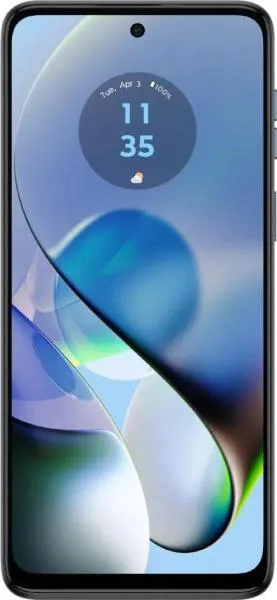
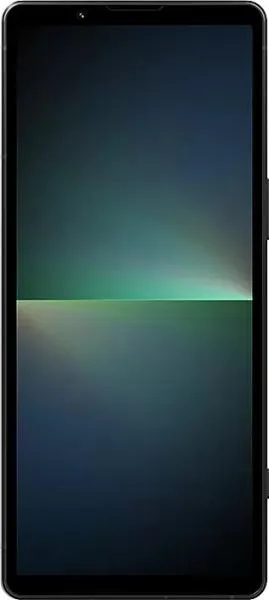
| Dimensions | 161.6 x 73.8 x 8 mm | 154 x 68 x 8.6 mm | Xperia 5 V is noticeably narrower and slightly shorter, making it more pocketable and easier to use one-handed. |
| Weight | 177g | 182g | The weight difference is negligible in real-world use. |
| Display | |||
| Display Type | IPS LCD, 120Hz | OLED, 1B colors, 120Hz, HDR10, BT.2020 | The Xperia 5 V's OLED offers superior contrast, deeper blacks, and more vibrant colors. HDR support provides a better viewing experience for compatible content. |
| Size | 6.5" | 6.1" | The Moto G54 provides a larger viewing area, while the Xperia 5 V offers better portability. |
| Resolution | 1080 x 2400 | 1080 x 2520 | Similar pixel density due to differing screen sizes; sharpness will be comparable. |
| Refresh Rate | 120Hz | 120Hz | Both offer smooth scrolling and animations. |
| Performance | |||
| Chipset | Mediatek Dimensity 7020 (6nm) | Qualcomm Snapdragon 8 Gen 2 (4nm) | The Snapdragon 8 Gen 2 in the Xperia 5 V offers significantly better performance, especially for demanding tasks like gaming and multitasking. |
| CPU | Octa-core (2x2.2 GHz Cortex-A78 & 6x2.0 GHz Cortex-A55) | Octa-core (1x3.2 GHz Cortex-X3 & 2x2.8 GHz Cortex-A715 & 2x2.8 GHz Cortex-A710 & 3x2.0 GHz Cortex-A510) | The Xperia 5 V's CPU architecture is more powerful and efficient. |
| GPU | IMG BXM-8-256 | Adreno 740 | The Adreno 740 offers a substantial leap in graphics performance, resulting in smoother gaming and faster rendering. |
| RAM | 8GB | 8GB | Both offer sufficient RAM for multitasking. |
| Storage | 256GB | 256GB | Storage capacity is identical on both devices. |
| Camera | |||
| Video Capabilities | 1080p@30/60fps | Up to 4K@120fps (HDR, OIS, EIS) | The Xperia 5 V offers vastly superior video recording capabilities with higher resolution, frame rates, and stabilization. |
| Battery | |||
| Capacity | 5000 mAh | 5000 mAh | Similar battery capacities suggest comparable battery life, though real-world usage will depend on other factors like the display and chipset. |
| Other | |||
| OS | Android 13 | Android 13 (upgradable to 14) | The Xperia 5 V has a confirmed OS upgrade path, guaranteeing longer software support. |
| USB | USB Type-C 2.0, OTG | USB Type-C 3.2, OTG, DisplayPort | The Xperia 5 V offers faster data transfer speeds and DisplayPort for connecting to external displays. |
2. Key Differences Analysis
Motorola Moto G54 Advantages:
- Larger Display: Provides a more immersive viewing experience for media consumption.
- Potentially Lower Price: While both are mid-range, the Moto G54 might be more budget-friendly.
Sony Xperia 5 V Advantages:
- Significantly Better Performance: The Snapdragon 8 Gen 2 provides a vastly superior user experience for demanding tasks and gaming.
- Superior Display: The OLED panel offers richer colors, deeper blacks, and HDR support.
- Superior Video Recording: More resolution, frame rate, and stabilization options.
- Longer Software Support: Confirmed Android 14 update and potentially longer support window.
- Faster Data Transfer: USB 3.2 enables quicker file transfers.
3. User Profiles & Recommendations
Moto G54 Ideal User: Budget-conscious users prioritizing a large display for media consumption and casual usage.
Xperia 5 V Ideal User: Users who value performance, a premium display, excellent camera features, and longer software updates. Suitable for mobile gaming, content creation, and power users.
4. Decision Framework
Key Questions:
- What is your budget? The Moto G54 is likely more affordable.
- What are your primary use cases? Casual use vs. demanding tasks like gaming and content creation.
- How important is display quality and camera performance? The Xperia 5 V significantly outperforms the Moto G54 in these areas.
My Choice: Sony Xperia 5 V
While the Moto G54 offers a larger display at a potentially lower price, the Sony Xperia 5 V is the superior device overall. The significantly faster processor, brighter and more vibrant OLED display, superior camera capabilities, and longer software support make it a much more compelling option for me. I prioritize performance, a quality display, and future-proofing through software updates, making the Xperia 5 V the clear winner despite the likely higher price. The smaller size is also more appealing to me for one-handed use. The performance difference between the Dimensity 7020 and the Snapdragon 8 Gen 2 is substantial and would noticeably impact daily use and long-term viability.
