1. Specifications Comparison
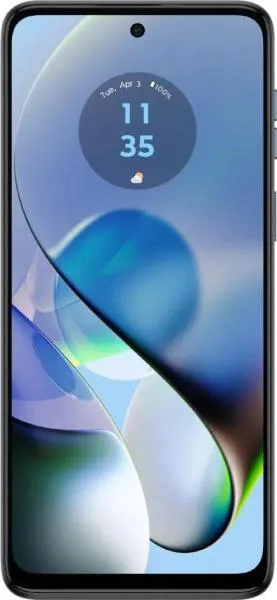
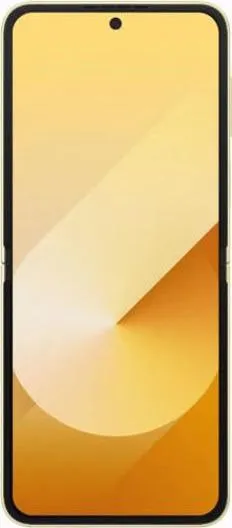
| Feature | Motorola Moto G54 | Samsung Galaxy Z Flip6 | Practical Impact |
|---|---|---|---|
| Design | |||
| Dimensions | 161.6 x 73.8 x 8 mm | 165.1 x 71.9 x 6.9 mm (folded) | Z Flip6 is significantly more compact when folded, excellent for pocketability. Moto G54 is thinner when unfolded. |
| Weight | 177g | 187g | Slight weight difference, unlikely to be noticeable in daily use. |
| Foldable | No | Yes | Z Flip6's folding design offers unique portability and a secondary display for notifications. |
| Build Material | Not specified | Not specified | Cannot compare build quality and durability without this information. |
| Display | |||
| Display Type | IPS LCD, 120Hz | Foldable Dynamic AMOLED 2X, 120Hz | Z Flip6 offers superior contrast, vibrant colors, and deeper blacks due to AMOLED technology. |
| Size | 6.5" | 6.7" | Z Flip6 has a slightly larger display. |
| Resolution | 1080 x 2400 | 1080 x 2640 | Similar pixel density, but the Z Flip6 is slightly sharper due to the larger screen size. |
| Refresh Rate | 120Hz | 120Hz | Both offer smooth scrolling and animations. |
| Peak Brightness | Not specified | 2600 nits | Z Flip6's significantly higher brightness ensures excellent outdoor visibility. Lack of data for the Moto G54 prevents comparison. |
| Performance | |||
| Chipset | Mediatek Dimensity 7020 (6nm) | Qualcomm Snapdragon 8 Gen 3 (4nm) | Z Flip6 boasts a significantly more powerful processor, leading to much faster performance in demanding tasks and gaming. |
| CPU | Octa-core (2x2.2 GHz Cortex-A78 & 6x2.0 GHz Cortex-A55) | Octa-core (1x3.39 GHz Cortex-X4 & 3x3.1 GHz Cortex-A720 & 2x2.9 GHz Cortex-A720 & 2x2.2 GHz Cortex-A520) | Z Flip6's CPU architecture is newer and more powerful. |
| GPU | IMG BXM-8-256 | Adreno 750 | Z Flip6 offers significantly better graphics performance for gaming and graphically intensive applications. |
| RAM | 8GB | 12GB | Z Flip6 has more RAM, enabling better multitasking and smoother performance with multiple apps. |
| Storage | 256GB | 512GB | Z Flip6 offers double the storage capacity. |
| Battery | |||
| Capacity | 5000 mAh | 4000 mAh | Moto G54 has a larger battery capacity, potentially leading to longer battery life. However, real-world usage will depend on software optimization and the Z Flip6's more power-efficient chip. |
| Camera | Not specified for either phone | Not specified for either phone | Camera performance cannot be compared without detailed specifications. |
2. Key Differences Analysis
Motorola Moto G54 Advantages:
- Potentially Longer Battery Life: Larger battery capacity suggests longer usage time, but this needs real-world testing to confirm.
- Lower Price (Likely): Generally, Moto G series phones are more budget-friendly than flagship foldables.
Samsung Galaxy Z Flip6 Advantages:
- Significantly More Powerful: The Snapdragon 8 Gen 3 provides a vastly superior performance experience for demanding tasks and gaming.
- Superior Display: The AMOLED display offers richer colors, deeper blacks, and much higher brightness.
- Folding Design: Unique form factor for portability and a secondary display for quick interactions.
- More RAM and Storage: Enables better multitasking and ample space for apps and files.
3. User Profiles & Recommendations
Motorola Moto G54: Ideal for budget-conscious users prioritizing battery life and basic smartphone functionality. Suitable for everyday tasks like web browsing, social media, and casual gaming.
Samsung Galaxy Z Flip6: Ideal for users who value cutting-edge technology, premium design, and top-tier performance. Suitable for power users, mobile gamers, and those who desire a unique, compact device.
4. Decision Framework
Key Questions for Buyers:
- What is your budget? The Z Flip6 will likely be significantly more expensive.
- What level of performance do you need? For demanding tasks, the Z Flip6 is vastly superior.
- How important is portability and design? The Z Flip6's foldable design offers a unique advantage.
My Choice: Samsung Galaxy Z Flip6
While lacking specific camera details and concrete pricing for both phones, the Samsung Galaxy Z Flip6 is my clear choice. The significantly superior performance offered by the Snapdragon 8 Gen 3, combined with the vibrant AMOLED display, ample RAM and storage, and the innovative foldable design, outweighs the potential battery life advantage of the Moto G54. I prioritize performance, a premium user experience, and the unique form factor. The Z Flip6 represents a significant leap in technology and user experience, making it the more compelling device for my needs. While the Moto G54 likely offers excellent value for its price, it doesn't match the Z Flip6 in terms of innovation and overall capabilities.
