1. Specifications Comparison
| Feature | Motorola Moto G54 | Samsung Galaxy Tab S9 FE | Practical Impact |
|---|---|---|---|
| Design | |||
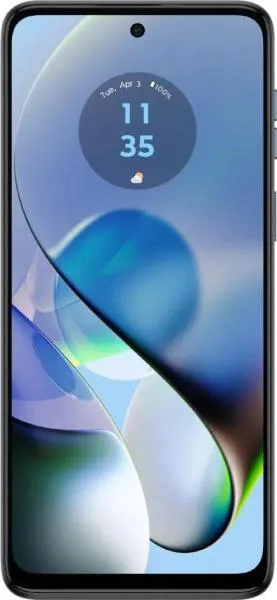
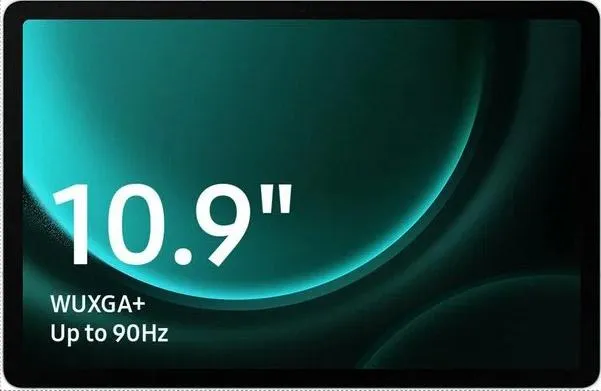
| Dimensions | 161.6 x 73.8 x 8 mm | 254.3 x 165.8 x 6.5 mm | Moto G54 is significantly smaller and more pocketable; Tab S9 FE is a large tablet. |
| Weight | 177g | 523g | Moto G54 is much lighter and easier to hold for extended periods. Tab S9 FE is suitable for desk/lap use. |
| Display | |||
| Size | 6.5" | 10.9" | Tab S9 FE offers a much larger screen for media consumption and multitasking. |
| Type | IPS LCD, 120Hz | IPS LCD, 90Hz | Both are LCDs. Moto G54's 120Hz offers smoother scrolling and animations. |
| Resolution | 1080 x 2400 | 1440 x 2304 | Tab S9 FE has a slightly higher resolution, but due to the larger screen size, the PPI is lower (405 vs 249). Moto G54 will appear sharper. |
| Performance | |||
| Chipset | Mediatek Dimensity 7020 (6 nm) | Exynos 1380 (5 nm) | Both offer good mid-range performance, but benchmarks would be needed for detailed comparison. Exynos 1380 is likely more powerful overall. |
| CPU | Octa-core (2x2.2 GHz Cortex-A78 & 6x2.0 GHz Cortex-A55) | Octa-core (4x2.4 GHz Cortex-A78 & 4x2.0 GHz Cortex-A55) | Exynos 1380 has higher clocked performance cores, potentially leading to faster processing in demanding tasks. |
| GPU | IMG BXM-8-256 | Mali-G68 MP5 | Mali-G68 MP5 generally offers better gaming performance. |
| RAM | 8GB | 8GB | Both have ample RAM for multitasking. |
| Storage | 256GB | 256GB | Storage is equal in both devices. |
| Battery | |||
| Capacity | 5000 mAh | 8000 mAh | Tab S9 FE's larger battery will likely provide significantly longer battery life given its larger display. |
| Other | |||
| OS | Android 13 | Android 13 (upgradable to 17) | Tab S9 FE has longer guaranteed software updates. |
| NFC | Yes | No | Moto G54 supports contactless payments and data transfer via NFC. A significant advantage for some users. |
| USB | USB Type-C 2.0, OTG | USB Type-C 2.0, magnetic connector | Both support OTG. Magnetic connector on Tab S9 FE might be convenient for accessories, but limits standard USB-C cable usage. |
| Video Capabilities | 1080p@60fps | 4K@30fps | Tab S9 FE can record video at a higher resolution, but Moto G54 offers smoother 60fps recording at 1080p. |
2. Key Differences Analysis
Moto G54 Advantages:
- Portability: Significantly smaller, lighter, and easier to carry and use one-handed.
- Higher Refresh Rate Display: Smoother scrolling and animations.
- NFC: Supports contactless payments.
Samsung Galaxy Tab S9 FE Advantages:
- Larger Display: Better for media consumption, multitasking, and creative work.
- Longer Battery Life: Significantly larger battery capacity.
- Longer Software Support: Guaranteed updates for a longer period.
- Higher Resolution Video Recording: Can record in 4K.
3. User Profiles & Recommendations
Moto G54: Ideal for users who prioritize portability, one-handed usability, and value a smooth display. Suitable for everyday tasks, social media, web browsing, and casual gaming.
Samsung Galaxy Tab S9 FE: Best suited for users who prioritize a large screen for media consumption, productivity tasks, drawing/note-taking, and light gaming. Less ideal for carrying around frequently.
4. Decision Framework
Key Questions for Buyers:
- What is your primary use case? (Media consumption, productivity, communication, gaming)
- How important is portability? (Pocket-friendly vs. larger screen)
- What is your budget and desired feature set? (NFC, long software updates, video recording quality)
Scenario-Based Recommendations:
- Commuter needing a phone for calls, social media, and occasional web browsing: Moto G54
- Student needing a device for note-taking, research, and media consumption: Samsung Galaxy Tab S9 FE
- Professional needing a portable device for email, presentations, and document editing: Samsung Galaxy Tab S9 FE (with keyboard accessory)
My Choice: Motorola Moto G54
While the Samsung Galaxy Tab S9 FE offers a compelling large-screen experience, I would choose the Motorola Moto G54. My primary need is a portable device for everyday communication, web browsing, and social media. The Moto G54's smaller size and lighter weight are crucial for comfortable one-handed use and portability. The 120Hz display provides a noticeably smoother user experience, and NFC is essential for me. While the Tab S9 FE boasts a larger battery and longer software support, these benefits are outweighed by the inconvenience of its size and lack of NFC for my personal use. The Moto G54 offers the best balance of features and portability for my needs.
