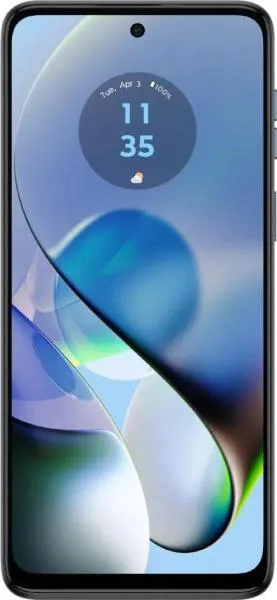
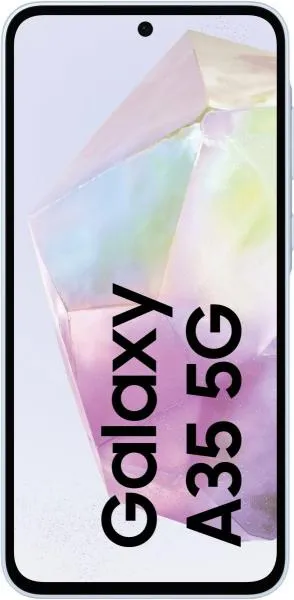
1. Specifications Comparison
| Feature | Motorola Moto G54 | Samsung Galaxy A35 | Practical Impact |
|---|---|---|---|
| Design | |||
| Dimensions | 161.6 x 73.8 x 8 mm | 161.7 x 78 x 8.2 mm | The Moto G54 is noticeably thinner and slightly narrower, making it potentially more comfortable for one-handed use. The A35 is slightly taller. |
| Weight | 177g | 209g | The Moto G54 is significantly lighter, reducing hand fatigue during extended use. |
| Build Materials | Not specified | Not specified | Cannot compare build quality and durability without material information. |
| Display | |||
| Display Type | IPS LCD, 120Hz | Super AMOLED, 120Hz | The A35's AMOLED display offers deeper blacks, more vibrant colors, and potentially better power efficiency. |
| Size | 6.5" | 6.6" | Negligible difference in screen real estate. |
| Resolution | 1080 x 2400 | 1080 x 2340 | Virtually identical pixel density, resulting in similar sharpness. |
| Refresh Rate | 120Hz | 120Hz | Both offer smooth scrolling and animations. |
| Brightness | Not specified | 1000 nits (HBM) | The A35's higher peak brightness ensures better visibility in direct sunlight. The Moto G54's brightness is unknown, making a comparison impossible. |
| Performance | |||
| Chipset | Mediatek Dimensity 7020 (6 nm) | Exynos 1380 (5 nm) | The Exynos 1380, built on a smaller process node, is likely more power-efficient. Performance differences would need benchmarking. |
| CPU | Octa-core (2x2.2 GHz Cortex-A78 & 6x2.0 GHz Cortex-A55) | Octa-core (4x2.4 GHz Cortex-A78 & 4x2.0 GHz Cortex-A55) | The Exynos 1380 has higher clock speeds on its performance cores, potentially offering better performance in demanding tasks. |
| GPU | IMG BXM-8-256 | Mali-G68 MP5 | GPU performance differences require further benchmarking, but both should handle everyday tasks and moderate gaming well. |
| RAM | 8GB | 8GB | Both phones offer ample RAM for multitasking. |
| Storage | 256GB | 128GB/256GB | The A35 offers more storage configuration flexibility, but the base model has half the storage of the Moto G54. |
| Camera | |||
| Rear Camera | Not specified | Not specified | Camera quality cannot be compared without sensor details and aperture information. |
| Video | 1080p@30/60fps | 4K@30fps (EIS), 1080p@30/60fps (EIS) | The A35 can record in 4K and offers Electronic Image Stabilization (EIS) for smoother video footage. |
| Battery | |||
| Capacity | 5000 mAh | 5000 mAh | Similar battery capacity suggests comparable battery life, though actual usage will depend on other factors like display type and processor efficiency. |
| Software | |||
| OS | Android 13 | Android 14 | The A35 ships with a newer Android version, potentially offering more features and longer software support (confirmed up to Android 18). |
| Other | |||
| Fingerprint Sensor | Side-mounted | Under-display | Preference-based; under-display sensors are often considered more modern, while side-mounted sensors can be quicker to access. |
2. Key Differences Analysis
Moto G54 Advantages:
- Lighter and thinner: More comfortable for one-handed use and extended holding.
- Higher base storage: 256GB offers ample space for apps and media.
Samsung Galaxy A35 Advantages:
- Superior display: AMOLED technology delivers richer visuals.
- More powerful processor: Potentially better performance in demanding tasks and gaming.
- 4K video recording with EIS: Higher resolution video and smoother footage.
- Newer OS with longer support: More up-to-date features and security updates for a longer period.
- More storage options: Offers flexibility with 128GB or 256GB variants.
3. User Profiles & Recommendations
Moto G54: Users prioritizing a lightweight, comfortable phone with ample storage for a lower price. Suitable for everyday tasks, web browsing, social media, and casual gaming.
Samsung Galaxy A35: Users who value a vibrant display, strong performance, and the latest software features. Ideal for multimedia consumption, mobile gaming, and those who want longer software support.
4. Decision Framework
Key Questions for Buyers:
- Display quality priority? AMOLED visuals of the A35 vs. the standard LCD of the G54.
- Performance needs? Demanding tasks/gaming favor the A35's more powerful processor.
- Software updates importance? A35 provides longer OS upgrade commitment.
My Choice: Samsung Galaxy A35
While the Moto G54 offers a lighter, thinner design and larger base storage, the Samsung Galaxy A35 provides a superior overall package. The AMOLED display is a significant advantage for multimedia consumption, and the more powerful processor ensures smooth performance for longer. The longer software support and 4K video recording capability further solidify the A35 as a more future-proof choice. Although heavier, the benefits outweigh the slight increase in weight for me. The availability of a 256GB option addresses the storage concern.
