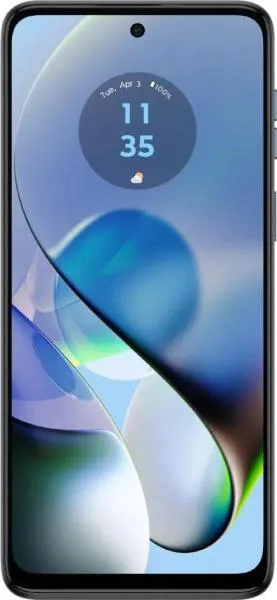
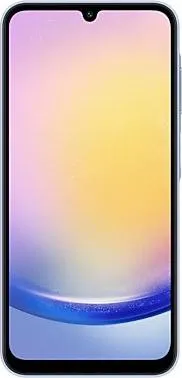
1. Specifications Comparison
| Feature | Motorola Moto G54 | Samsung Galaxy A25 | Practical Impact |
|---|---|---|---|
| Design | |||
| Dimensions | 161.6 x 73.8 x 8mm | 161 x 76.5 x 8.3mm | The Moto G54 is slightly thinner and narrower, potentially offering a better one-hand grip. |
| Weight | 177g | 197g | The Moto G54 is noticeably lighter, making it more comfortable for extended use. |
| Display | |||
| Display Type | IPS LCD, 120Hz | Super AMOLED, 120Hz, 1000 nits (HBM) | The A25's AMOLED offers deeper blacks, more vibrant colors, and better outdoor visibility due to higher brightness. The G54 has a smoother scrolling experience with a 120Hz refresh rate. |
| Resolution | 1080x2400 | 1080x2340 | Negligible real-world difference in sharpness. |
| Performance | |||
| Chipset | Dimensity 7020 (6nm) | Exynos 1280 (5nm) | The Exynos 1280 (5nm) is likely more power efficient, but performance differences will depend on specific tasks and optimization. |
| CPU | Octa-core (2x2.2 GHz Cortex-A78 & 6x2.0 GHz Cortex-A55) | Octa-core (2x2.4 GHz Cortex-A78 & 6x2.0 GHz Cortex-A55) | The A25's slightly higher clock speed on the performance cores might provide a minor advantage in demanding tasks. |
| GPU | IMG BXM-8-256 | Mali-G68 | Performance differences will depend on specific game optimization; difficult to definitively say which is better without benchmarks. |
| RAM | 8GB | 8GB | Same RAM capacity, meaning similar multitasking capabilities. |
| Storage | 256GB | 256GB | Identical storage capacity. |
| OS | Android 13 | Android 14 | The A25 launches with a newer Android version and has longer guaranteed OS updates (up to Android 18). |
| Battery | |||
| Capacity | 5000 mAh | 5000 mAh | Identical battery capacity; actual battery life will depend on usage and software optimization. |
| Camera | |||
| Video Capabilities | 1080p@30/60fps | 4K@30fps (EIS), 1080p@30fps (EIS) | The A25 can record in 4K resolution, offering higher detail. Both phones feature Electronic Image Stabilization (EIS) for smoother videos. |
| Other | |||
| Sensors | accelerometer, gyro, proximity, compass, Fingerprint (side-mounted) | accelerometer, gyro, compass, Fingerprint (side-mounted) | Both phones have a similar sensor suite. The Moto G54 lists a proximity sensor, while its absence isn't explicitly stated for the A25. |
2. Key Differences Analysis
Motorola Moto G54 Advantages:
- Lighter and Slightly More Compact: More comfortable for extended use and one-handed operation.
- Potentially Smoother Scrolling: Though not quantifiable without testing, some IPS LCD panels at 120Hz can feel smoother than some AMOLED panels at 120Hz due to response time differences.
Samsung Galaxy A25 Advantages:
- Superior Display: AMOLED technology offers richer colors and deeper blacks. Higher brightness improves outdoor visibility.
- 4K Video Recording: Captures more detailed videos.
- Newer OS and Longer Software Support: Ships with Android 14 and guaranteed updates to Android 18, ensuring security and feature updates for longer.
- Potentially More Power Efficient: The 5nm Exynos chip might offer better battery life compared to the 6nm Dimensity chip.
Trade-offs:
- The A25's superior display and video recording come at the cost of increased weight.
- The G54's potential smoothness and lighter weight might sacrifice battery life and advanced camera features.
3. User Profiles & Recommendations
Moto G54 Ideal User:
- Budget-conscious users prioritizing a lightweight and comfortable phone.
- Users who value smooth scrolling and responsiveness.
Samsung Galaxy A25 Ideal User:
- Users prioritizing display quality and vibrant colors.
- Users who want to record high-quality 4K videos.
- Users who value long-term software updates and security.
4. Decision Framework
Key Questions for Buyers:
- How important is display quality and brightness? If vibrant colors and excellent outdoor visibility are crucial, the A25 is the better choice.
- Do you frequently record videos? If 4K video recording is essential, the A25 is the only option.
- How much do you value software updates? If long-term software support is a priority, the A25 with its guaranteed updates to Android 18 is the winner.
My Choice: Samsung Galaxy A25
While the Moto G54 offers a lighter and potentially smoother experience, the Samsung Galaxy A25's superior AMOLED display, 4K video recording, newer Android version with longer update support, and potentially better power efficiency make it a more compelling overall package for me. The extra weight is a minor trade-off for these significant advantages. In the long run, the software updates and AMOLED screen will provide a better user experience. I also value the ability to record in 4K.
