1. Specifications Comparison
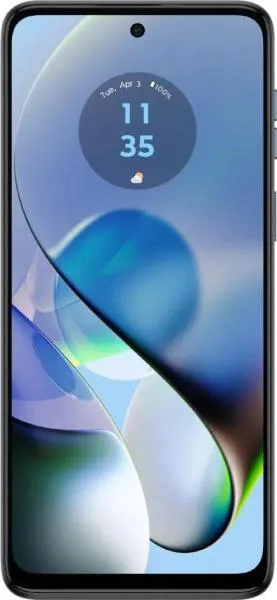
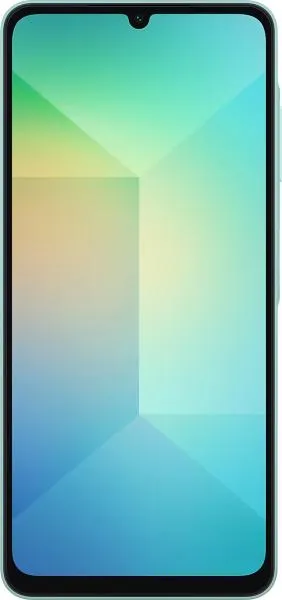
| Feature | Motorola Moto G54 | Samsung Galaxy A06 | Practical Impact |
|---|---|---|---|
| Design | |||
| Dimensions | 161.6 x 73.8 x 8 mm | 167.3 x 77.3 x 8 mm | The Moto G54 is noticeably smaller and potentially easier to handle one-handed. |
| Weight | 177 g | 189 g | The Moto G54 is lighter, contributing to better comfort during prolonged use. |
| Display | |||
| Size | 6.5" | 6.7" | The A06 offers a larger screen for media consumption, but might be less pocketable. |
| Type | IPS LCD, 120Hz | PLS LCD | While both are LCDs, the G54's 120Hz refresh rate delivers significantly smoother scrolling and animations. PLS LCD generally offers slightly better color reproduction than standard IPS. |
| Resolution | 1080 x 2400 (FHD+) | 720 x 1600 (HD+) | The G54's higher resolution results in sharper text and images. The difference will be noticeable in everyday use. |
| PPI | 405 | 262 | G54 has a much sharper display due to higher pixel density. |
| Performance | |||
| Chipset | Mediatek Dimensity 7020 (6 nm) | Mediatek Helio G85 (12 nm) | The 7020 uses a more advanced manufacturing process (6nm vs 12nm), leading to better performance and power efficiency in the G54. |
| CPU | Octa-core (2x2.2 GHz Cortex-A78 & 6x2.0 GHz Cortex-A55) | Octa-core (2x2.0 GHz Cortex-A75 & 6x1.8 GHz Cortex-A55) | The G54 boasts faster and more modern CPU cores, translating to quicker app loading, smoother multitasking, and better overall performance. |
| GPU | IMG BXM-8-256 | Mali-G52 MC2 | The G54's GPU is more powerful, providing a better gaming experience and smoother performance in graphically demanding applications. |
| RAM | 8GB | 6GB | More RAM in the G54 allows for better multitasking and less frequent app closures in the background. |
| Storage | 256GB | 128GB | Double the storage on the G54 allows for storing more apps, photos, and videos. |
| Other | |||
| OS | Android 13 | Android 14 | While the A06 launches with a newer Android version, the G54 is likely to receive updates for a similar timeframe. |
| Max OS Version | Unspecified | 16 | The A06 has guaranteed updates up to Android 16, providing longer software support. |
| NFC | Yes | No | The G54 supports contactless payments and data transfer via NFC, a feature missing on the A06. |
| Battery | 5000 mAh | 5000 mAh | Similar battery capacities suggest comparable battery life, but real-world usage will depend on software optimization and individual usage patterns. |
| Price Range | Medium | Low | The Moto G54 is expected to be more expensive, reflecting its superior specifications. |
2. Key Differences Analysis
Motorola Moto G54 Advantages:
- Superior Performance: The Dimensity 7020 chipset, coupled with 8GB RAM, provides significantly better performance for demanding tasks and gaming.
- Smoother Display: The 120Hz refresh rate delivers a noticeably smoother user experience.
- Sharper Display: Higher resolution and PPI result in crisper visuals.
- More Storage: Double the storage capacity allows for storing more files.
- NFC: Enables contactless payments and data transfer.
Samsung Galaxy A06 Advantages:
- Larger Display: Provides a more immersive experience for media consumption.
- Lower Price: More budget-friendly option.
- Longer Software Support: Guaranteed updates up to Android 16.
- Newer Android Version: Ships with the latest Android OS out of the box.
3. User Profiles & Recommendations
Moto G54 Ideal User: Users who prioritize performance, a smooth display, and features like NFC for mobile payments. Suitable for gaming, multitasking, and demanding applications.
Samsung Galaxy A06 Ideal User: Budget-conscious users who prioritize a large display for media consumption and basic smartphone functionality. Suitable for casual use, web browsing, and social media.
4. Decision Framework
Key Questions for Buyers:
- What is your budget? The A06 is a budget option, while the G54 sits in the mid-range.
- What are your performance needs? For demanding tasks and gaming, the G54 is significantly better.
- What features are essential to you? Consider the importance of NFC, display smoothness (120Hz), and storage capacity.
My Choice: Motorola Moto G54
While the Samsung Galaxy A06 offers a larger display and a lower price point, the Motorola Moto G54 is the superior device overall. Its significantly faster processor, smoother 120Hz display, sharper resolution, larger storage, and inclusion of NFC offer a substantially better user experience. The performance difference alone would be noticeable in daily use. While the A06's lower price and longer software update guarantee are attractive, the G54's advantages in key areas like performance and display outweigh those benefits for me. The price difference is justified by the significant jump in quality and features.
