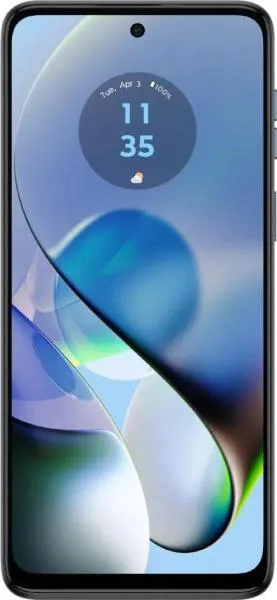
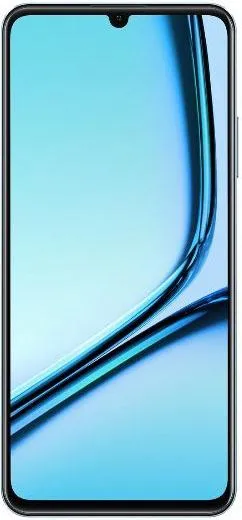
1. Specifications Comparison
| Feature | Motorola Moto G54 | Realme Note 50 | Practical Impact |
|---|---|---|---|
| Design | |||
| Dimensions (HxWxD) | 161.6 x 73.8 x 8 mm | 167.2 x 76.7 x 8 mm | The Moto G54 is slightly smaller and may feel more comfortable in hand for some users. |
| Weight | 177g | 186g | The Moto G54 is noticeably lighter, reducing hand fatigue during extended use. |
| Display | |||
| Display Size | 6.5 inches | 6.74 inches | The Realme Note 50 offers a larger screen for more immersive media consumption, but may be less pocketable. |
| Display Type | IPS LCD, 120Hz | IPS LCD, 90Hz, 560 nits (peak) | Both are LCDs, but the Moto G54's 120Hz refresh rate provides smoother scrolling and animations compared to the Realme's 90Hz. The Realme provides a peak brightness specification, suggesting potentially better visibility in sunlight; however, lacking this spec for the Moto G54 prevents a direct comparison. |
| Resolution | 1080 x 2400 | 720 x 1600 | The Moto G54 has a significantly sharper display due to its higher resolution, resulting in clearer text and images. |
| PPI | 405 | 260 | Reinforces the sharpness difference; the Moto G54 will have noticeably crisper visuals. |
| Performance | |||
| Chipset | Mediatek Dimensity 7020 (6 nm) | Unisoc Tiger T612 (12 nm) | The Moto G54's Dimensity 7020 is built on a smaller process node (6nm vs 12nm), indicating better power efficiency and potentially better performance. |
| CPU | Octa-core (2x2.2 GHz Cortex-A78 & 6x2.0 GHz Cortex-A55) | Octa-core (2x1.8 GHz Cortex-A75 & 6x1.8 GHz Cortex-A55) | The Moto G54 boasts faster core speeds and a newer Cortex-A78 architecture, translating to smoother multitasking and faster app loading. |
| GPU | IMG BXM-8-256 | Mali-G57 | While specific performance metrics are missing, the Moto G54's GPU is likely more powerful, benefiting gaming and graphically intensive tasks. |
| RAM | 8GB | 4GB | The Moto G54's 8GB RAM allows for significantly better multitasking and smoother performance, especially with demanding applications. |
| Storage | 256GB | 128GB | The Moto G54 offers double the storage, allowing users to keep more apps, photos, and videos. |
| Other | |||
| Battery | 5000 mAh | 5000 mAh | Both have the same battery capacity, but real-world battery life will depend on factors like software optimization and display usage (the Moto G54's 120Hz display could consume more power). |
| NFC | Yes | No | The Moto G54 supports NFC for contactless payments and other functionalities, a feature absent in the Realme Note 50. |
| Price Range | Medium | Low | The Realme Note 50 is expected to be cheaper. |
2. Key Differences Analysis
Moto G54 Advantages:
- Significantly better performance: Faster processor, more RAM, smoother display. This translates to a more responsive and enjoyable user experience across the board.
- Sharper Display: Higher resolution and PPI for clearer visuals.
- More Storage: Double the storage capacity for apps, media, and files.
- NFC: Enables contactless payments and data transfer.
Realme Note 50 Advantages:
- Larger Display: More immersive for media consumption.
- Lower Price: More budget-friendly option.
3. User Profiles & Recommendations
Moto G54: Users who prioritize performance, a smooth user experience, a sharp display, and features like NFC. Suitable for demanding tasks like gaming, multitasking, and media consumption.
Realme Note 50: Budget-conscious users who prioritize a large screen for media consumption and basic smartphone functionality. Suitable for casual users primarily focused on calling, texting, browsing, and watching videos.
4. Decision Framework
Key Questions:
- What is your budget? The Realme Note 50 is a more budget-friendly option.
- What are your performance expectations? The Moto G54 offers significantly better performance for demanding tasks and smoother everyday use.
- Which features are most important to you? Consider NFC, display sharpness, storage capacity, and screen size when making your decision.
My Choice: Motorola Moto G54
While the Realme Note 50 offers a larger display and a lower price, the Moto G54 is the superior choice for its significantly better performance, sharper display, more storage, and inclusion of NFC. The difference in user experience due to the processor, RAM, and refresh rate would be substantial in day-to-day use. The added benefit of NFC for contactless payments adds further value. For me, these advantages outweigh the slightly smaller screen size and higher price of the Moto G54. The smoother and more responsive experience offered by the Moto G54 would be worth the investment. The lack of peak brightness information for the Moto G54 is a minor concern, but the overall package makes it a clear winner.
