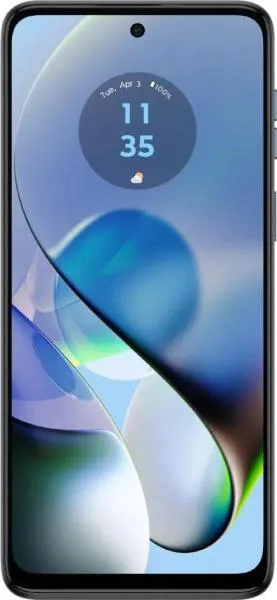
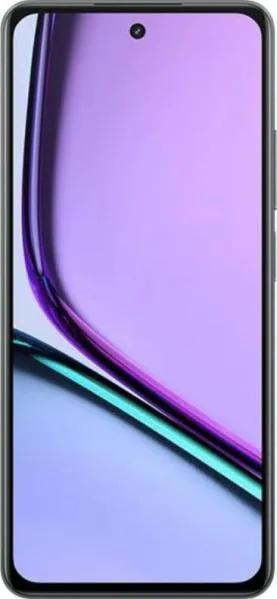
1. Specifications Comparison
| Feature | Motorola Moto G54 | Realme C67 | Practical Impact |
|---|---|---|---|
| Design | |||
| Dimensions | 161.6x73.8x8mm | 165.7x76x7.9mm | Moto G54 is slightly smaller and thinner, making it potentially more pocketable and comfortable for one-handed use. |
| Weight | 177g | 190g | Moto G54 is noticeably lighter, reducing hand fatigue during extended use. |
| Display | |||
| Size | 6.5" | 6.72" | Realme C67 offers a slightly larger screen for more immersive content consumption. |
| Type | IPS LCD, 120Hz | IPS LCD, 120Hz | Both offer smooth scrolling and animations thanks to the 120Hz refresh rate. |
| Resolution | 1080x2400 | 1080x2400 | Identical resolution, resulting in similar sharpness on both devices. |
| Brightness (Peak) | Not specified | Not specified | Cannot compare peak brightness without data. |
| Performance | |||
| Chipset | Dimensity 7020 | Dimensity 6100+ | Dimensity 7020 generally offers better performance in benchmarks, potentially resulting in smoother multitasking and gaming. |
| CPU | 2x2.2 GHz A78, 6x2.0 GHz A55 | 2x2.2 GHz A76, 6x2.0 GHz A55 | While both have similar clock speeds, the A78 cores in the G54 are architecturally newer and more powerful. |
| GPU | IMG BXM-8-256 | Mali-G57 MC2 | BXM-8-256 generally provides superior graphics performance compared to the Mali-G57 MC2, beneficial for gaming. |
| RAM | 8GB | 6GB | Moto G54 offers more RAM, enabling better multitasking and smoother performance with demanding applications. |
| Storage | 256GB | 128GB | Moto G54 offers double the storage, allowing for more apps, photos, and videos. |
| Other | |||
| Battery | 5000mAh | 5000mAh | Similar battery capacities suggest comparable battery life, though real-world usage will vary. |
| NFC | Yes | No | Moto G54 supports contactless payments and data transfer via NFC. |
| OS | Android 13 | Android 13 | Both run on the latest Android version. |
| Sensors | More comprehensive | Fewer Sensors | Moto G54 has a gyro sensor, enabling features like AR applications and improved gaming controls, lacking in Realme C67. |
| Video Recording | Up to 1080p@60fps | Up to 1080p@30fps | Moto G54 can record smoother videos at 60fps. |
2. Key Differences Analysis
Motorola Moto G54 Advantages:
- Superior Performance: The Dimensity 7020 chipset, coupled with 8GB RAM, offers smoother multitasking and better gaming performance.
- More Storage: Double the storage capacity (256GB) compared to the Realme C67.
- NFC Functionality: Enables contactless payments and data transfer.
- More comprehensive sensors: Enables features like AR and improved gaming controls, thanks to the gyro sensor.
- Smoother Video Recording: Records videos at up to 60fps.
- Lighter and Slightly Smaller: More comfortable for one-handed use and extended periods.
Realme C67 Advantages:
- Slightly Larger Display: Provides a more immersive viewing experience.
3. User Profiles & Recommendations
Moto G54: Suitable for users who prioritize performance, ample storage, NFC functionality, and a smoother overall experience. Ideal for gaming, multitasking, and mobile photography/videography enthusiasts.
Realme C67: Best suited for budget-conscious users who prioritize a large display for media consumption and basic smartphone tasks. Suitable for users who don't engage in heavy multitasking or gaming.
4. Decision Framework
Key Questions for Buyers:
- What is your budget? Both are mid-range, but the price difference might be significant.
- What are your primary smartphone usage patterns? (Gaming, multitasking, media consumption, etc.)
- Do you require NFC for contactless payments?
Scenario-Based Recommendations:
- Gamer: Moto G54 for its superior performance.
- Multitasker: Moto G54 for its 8GB RAM and powerful processor.
- Budget-conscious Media Consumer: Realme C67 for its larger display and lower price.
My Choice: Motorola Moto G54
I would choose the Motorola Moto G54. While the Realme C67 offers a slightly larger screen, the Moto G54's advantages in performance, storage, NFC functionality, and overall user experience outweigh the minor screen size difference for me. The Dimensity 7020, coupled with 8GB of RAM, ensures smooth performance even with demanding tasks. The inclusion of NFC is essential for my daily use of contactless payments. The extra storage is a welcome addition, and the lighter weight contributes to better long-term comfort. The slightly smaller size is actually preferable for me in terms of portability and one-handed usability. While I acknowledge the subjective preference for a larger screen, the objective advantages of the Moto G54 make it the more compelling choice for my needs.
