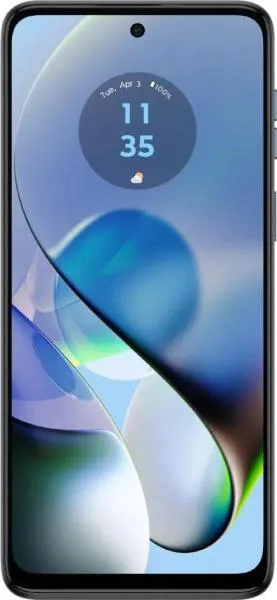

1. Specifications Comparison
| Feature | Motorola Moto G54 | Realme 12+ | Practical Impact |
|---|---|---|---|
| Design | |||
| Dimensions | 161.6 x 73.8 x 8 mm | 163 x 75.5 x 7.9 mm | Realme 12+ is slightly larger and thicker. |
| Weight | 177g | 190g | Moto G54 is noticeably lighter, improving one-handed use and portability. |
| Fingerprint Sensor | Side-mounted | Under-display | Preference-based; under-display feels more modern, side-mounted can be faster. |
| Display | |||
| Size | 6.5" | 6.67" | Realme 12+ offers a slightly larger screen for more immersive content consumption. |
| Type | IPS LCD, 120Hz | AMOLED, 120Hz, HDR10+ | Realme 12+ boasts superior contrast, deeper blacks, and vibrant colors due to AMOLED technology and HDR10+ support. |
| Peak Brightness | Not specified | 2000 nits | Realme 12+'s significantly higher peak brightness ensures excellent outdoor visibility. The lack of data for the Moto G54 makes a direct comparison impossible. |
| Resolution | 1080 x 2400 | 1080 x 2400 | Both offer sharp visuals with similar pixel density; the Realme's slightly lower PPI due to the larger screen size is negligible. |
| Refresh Rate | 120Hz | 120Hz | Both deliver smooth scrolling and animations. |
| Performance | |||
| Chipset | Mediatek Dimensity 7020 (6 nm) | Mediatek Dimensity 7050 (6 nm) | Realme 12+ has a slightly faster CPU with higher clock speeds on the performance cores, resulting in a potential edge in demanding tasks. |
| CPU | Octa-core (2x2.2 GHz Cortex-A78 & 6x2.0 GHz Cortex-A55) | Octa-core (2x2.6 GHz Cortex-A78 & 6x2.0 GHz Cortex-A55) | |
| GPU | IMG BXM-8-256 | Mali-G68 MC4 | Difficult to compare GPUs without benchmarks; both should handle everyday tasks and moderate gaming well. |
| RAM | 8GB | 8GB | Both offer ample RAM for multitasking. |
| Storage | 256GB | 256GB | Both provide plenty of storage. |
| Battery | |||
| Capacity | 5000 mAh | 5000 mAh | Similar battery capacity suggests comparable battery life, although real-world usage can vary. |
| Software | |||
| OS | Android 13 | Android 14 | Realme 12+ ships with a newer Android version and is guaranteed longer updates (up to Android 16). |
| Camera | |||
| Video Capabilities | 1080p@30/60fps | 4K@30fps (EIS), 1080p@30/60fps (EIS) | Realme 12+ offers 4K video recording and Electronic Image Stabilization (EIS) at multiple resolutions, potentially resulting in smoother and higher quality videos. |
2. Key Differences Analysis
Motorola Moto G54 Advantages:
- Lighter and more compact, enhancing portability and one-handed use.
Realme 12+ Advantages:
- Superior Display: AMOLED with HDR10+ and higher peak brightness for a more vibrant and immersive visual experience, especially outdoors.
- Slightly Faster Performance: Higher clock speed CPU might provide a slight edge in demanding tasks and gaming.
- Newer Software and Longer Update Support: Ships with Android 14 and guaranteed updates to Android 16.
- Enhanced Video Recording: 4K recording and EIS for better video quality and stability.
Trade-offs:
- Realme 12+ is heavier and slightly larger, potentially less comfortable for extended use.
3. User Profiles & Recommendations
Motorola Moto G54: Users prioritizing a lightweight and compact phone for comfortable one-handed use. Good for users on a tighter budget who value portability over top-tier specs.
Realme 12+: Users who prioritize display quality, performance, and software updates. Suitable for multimedia consumption, gaming, and those who want a future-proof device with longer software support.
4. Decision Framework
Key Questions:
- How important is display quality and outdoor visibility?
- Do you prioritize a lightweight and compact phone or a larger screen?
- How important is software update longevity?
Scenario-Based Recommendations:
- Budget-conscious user prioritizing portability: Moto G54
- Multimedia enthusiast who values a great display: Realme 12+
- Gamer seeking smooth performance and future-proof software: Realme 12+
My Choice: Realme 12+
While the Moto G54 offers a compelling advantage in terms of weight and compactness, the Realme 12+'s superior display, performance, and longer software update support are more significant factors for me. The AMOLED screen with HDR10+ and high brightness will provide a noticeably better viewing experience, and the slightly faster processor future-proofs the device. The guarantee of Android 16 ensures the phone remains secure and up-to-date for a longer period. While the extra weight is a consideration, the benefits outweigh this minor drawback for my usage pattern. I value a vibrant display and long-term software support, making the Realme 12+ the better choice in my opinion.
