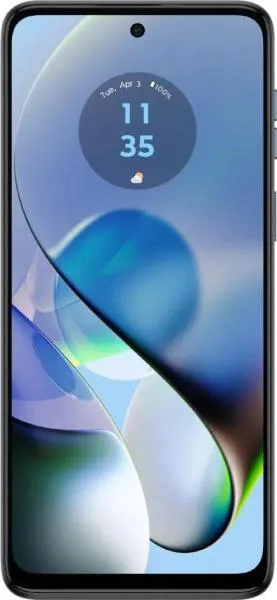

1. Specifications Comparison
| Feature | Motorola Moto G54 | Oppo Reno11 | Practical Impact |
|---|---|---|---|
| Design | |||
| Dimensions | 161.6 x 73.8 x 8 mm | 162.4 x 74.3 x 7.9 mm | Virtually identical in size; negligible real-world difference. |
| Weight | 177g | 182g | The Moto G54 is slightly lighter, but the difference (5g) is unlikely to be noticeable. |
| Fingerprint Sensor | Side-mounted | Under-display | Personal preference; both are reliable unlocking methods. Under-display is often perceived as more modern. |
| Display | |||
| Display Type | IPS LCD, 120Hz | AMOLED, 1B colors, 120Hz, HDR10+, 950 nits (peak) | The Reno11's AMOLED offers significantly better contrast, richer colors (1B vs. 16M implied for IPS), and higher brightness, resulting in a superior viewing experience, especially outdoors. HDR10+ support further enhances visual quality for compatible content. |
| Size | 6.5" | 6.7" | The Reno11 provides a slightly larger viewing area. |
| Resolution | 1080 x 2400 | 1080 x 2412 | Negligible difference in sharpness. |
| Refresh Rate | 120Hz | 120Hz | Both offer smooth scrolling and animations. |
| Peak Brightness | Not specified | 950 nits | The Reno11's much higher peak brightness ensures excellent outdoor visibility. The lack of this spec for the Moto G54 makes a direct comparison impossible but suggests inferior performance in bright sunlight. |
| Performance | |||
| Chipset | Mediatek Dimensity 7020 (6 nm) | Mediatek Dimensity 7050 (6 nm) | The Dimensity 7050 in the Reno11 offers a slightly higher clock speed on its performance cores (2.6 GHz vs. 2.2 GHz), potentially resulting in slightly faster performance in demanding tasks. The real-world difference is likely to be minimal for average users. |
| CPU | Octa-core (2x2.2 GHz Cortex-A78 & 6x2.0 GHz Cortex-A55) | Octa-core (2x2.6 GHz Cortex-A78 & 6x2.0 GHz Cortex-A55) | See above. |
| GPU | IMG BXM-8-256 | Mali-G68 MC4 | Difficult to compare directly without benchmarks. Both are capable GPUs for mid-range phones, but specific gaming performance may vary. |
| RAM | 8GB | 12GB | The Reno11's 12GB RAM enables better multitasking and smoother performance with multiple apps open. |
| Storage | 256GB | 256GB | Identical storage capacity. |
| Battery | |||
| Capacity | 5000 mAh | 5000 mAh | Identical battery capacity. Real-world battery life will depend on factors like display usage and software optimization. |
| Camera | |||
| Video Capabilities | 1080p@30/60fps | 4K@30fps, 1080p@30/60/120/480fps, 720p@960fps | The Reno11 offers significantly more versatile video recording options, including 4K resolution and higher frame rates for slow-motion capture. |
| Other Camera Specs | Not provided for either phone | Not provided for either phone | Cannot compare camera quality without more details on sensors, lens aperture, and software features. |
2. Key Differences Analysis
Moto G54 Advantages:
- Potentially slightly lower price (unconfirmed).
- Slightly lighter.
Oppo Reno11 Advantages:
- Superior Display: AMOLED with HDR10+, higher brightness, and richer colors.
- More RAM: 12GB for smoother multitasking.
- More Versatile Video Recording: 4K resolution and various slow-motion options.
- Slightly Faster CPU: Potentially improved performance in demanding tasks.
Trade-offs:
- The Reno11 might be slightly more expensive.
3. User Profiles & Recommendations
Moto G54: Budget-conscious users prioritizing basic functionality and a smooth display over vibrant colors and high brightness. Suitable for everyday tasks like browsing, social media, and casual gaming.
Oppo Reno11: Users who value a premium visual experience, smoother multitasking, and versatile video recording capabilities. Ideal for content consumption, mobile gaming, and capturing high-quality videos.
4. Decision Framework
Key Questions for Buyers:
- What is your budget? The Reno11 is likely to be more expensive.
- How important is display quality? The Reno11's AMOLED display is a significant upgrade.
- What are your primary use cases? Consider video recording needs and multitasking demands.
Scenario-Based Recommendations:
- Limited Budget: Moto G54
- Prioritize Display Quality: Oppo Reno11
- Heavy Multitasker/Gamer: Oppo Reno11
- Content Creator (Video): Oppo Reno11
My Choice: Oppo Reno11
The Oppo Reno11 is the clear winner for me. The superior AMOLED display with HDR10+ and high brightness is a major deciding factor. The extra RAM (12GB vs 8GB) ensures smoother performance in the long run, and the versatile video recording capabilities are a significant advantage. While the Moto G54 might be slightly cheaper, the Reno11 offers a noticeably better overall user experience, making it worth the potential price difference. The lack of detailed camera specifications for both phones prevents a complete assessment, but the Reno11's clear advantage in video recording capabilities suggests a stronger overall camera system.
